
LinkedIn Peer Verification vs Recommendation Explained
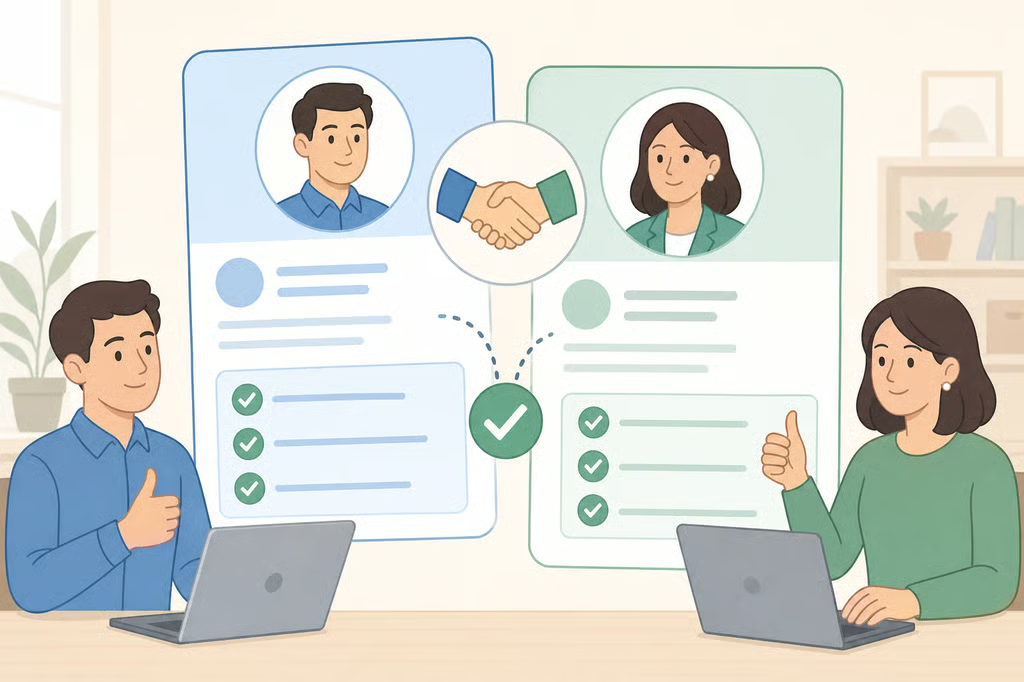
LinkedIn is testing a feature that lets colleagues and former classmates confirm someone actually worked or studied with them, a tool the company calls network verification and explicitly separates from an endorsement (TechCrunch reported two weeks ago). The distinction at the center of LinkedIn peer verification vs recommendation comes down to this: one confirms a shared history, the other speaks to how someone performed. No source in this review says how recruiters will actually weigh the new badge.
LinkedIn's own description keeps the confirmation narrow. The company says it answers "yes, I worked with this person during this time," not whether the work went well (TechCrunch). For job seekers and working professionals deciding where to spend limited time, the practical question is whether to chase a peer confirmation, a written recommendation, or both, and what each one was actually built to prove.
VP of Product Oscar Rodriguez told TechCrunch that "faking credibility has never been cheaper or easier than it is today," framing the rollout around the rising cost of impersonation across the internet, not just on LinkedIn (TechCrunch). He pointed to scale as evidence the company has already invested in this work: LinkedIn's existing verification tools have confirmed 115 million members and more than 700,000 companies to date (TechCrunch). "We've been invested in [verification] because we believe that authenticity will be the single most valuable currency on the internet," he added.
How LinkedIn peer verification works, and where it stops
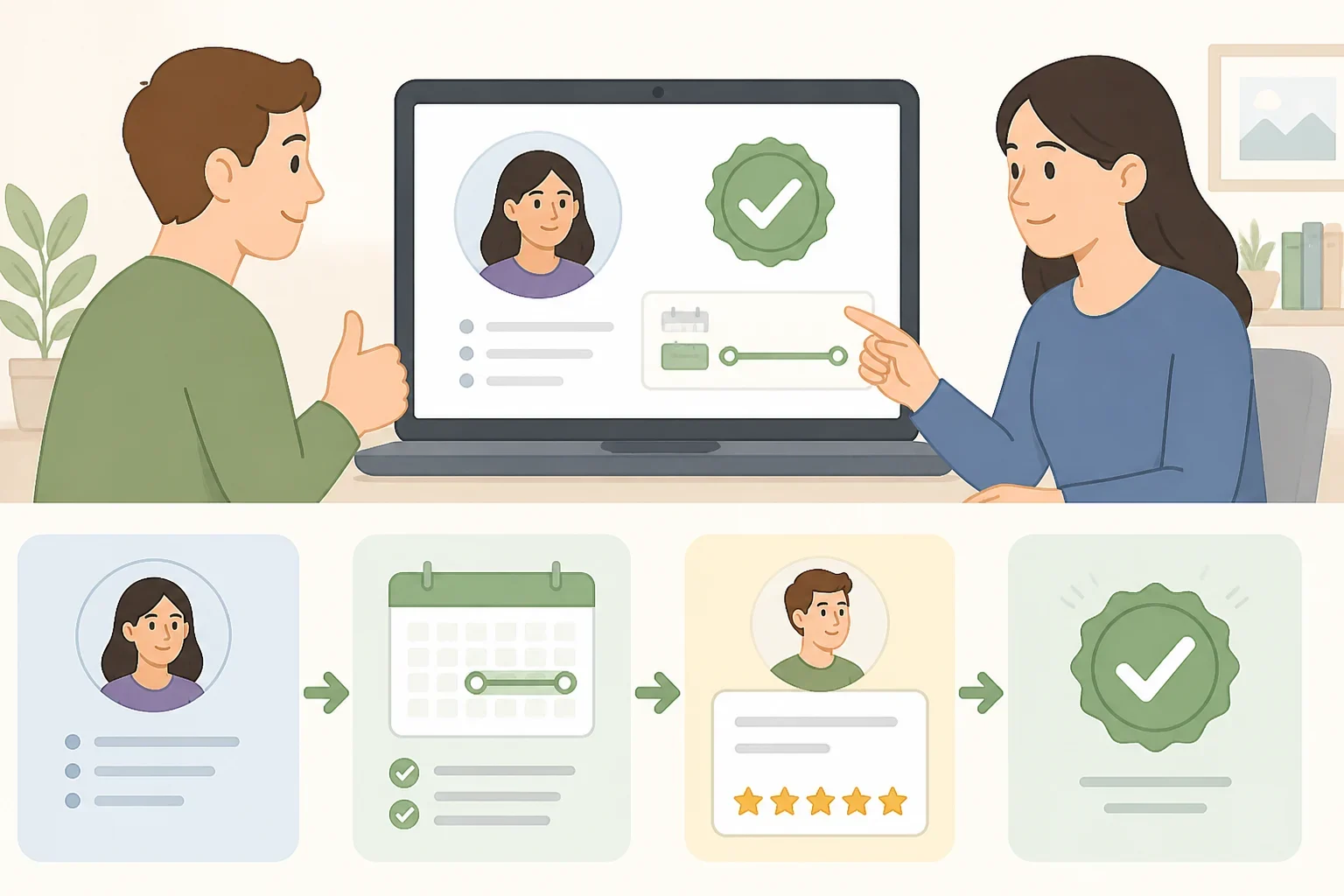
A connection who already holds a verified profile, and who has been connected to the member for at least a year, can confirm they worked or studied together during a stated period (TechCrunch). That's the mechanism LinkedIn built to let colleagues verify work experience on LinkedIn directly, instead of leaving a listed title to stand on its own.
The system leans on more than one safeguard. LinkedIn collects multiple confirmations rather than relying on a single connection's word, and requires the verifier to use two-factor authentication on top of the one-year connection rule (LinkedIn posted two weeks ago). LinkedIn hasn't published the exact number of confirmations a profile needs before it counts toward verified status, so outsiders can't judge how broad or narrow a confirming group has to be.
Based on the available reporting, the prompt confirms shared association during a time period rather than every detail on a profile. TechCrunch's description doesn't address whether a confirmation also covers exact job titles, dates, or duties. That gap matters for anyone tempted to treat the feature as a full accuracy check: a confirmed entry is more likely genuine, but the specific title, dates, and responsibilities listed may still need checking before an interview, since an interviewer can ask about them directly.
Rodriguez also drew a boundary around who the feature covers right now. He told TechCrunch it focuses on full-time employees rather than contractors or field workers, who will have separate ways of claiming their association with an employer (TechCrunch). Freelancers and contract workers building a profile around peer verification should expect it to apply differently to their situation, if it applies to them at all yet.
LinkedIn peer verification vs recommendation: comparing the signals
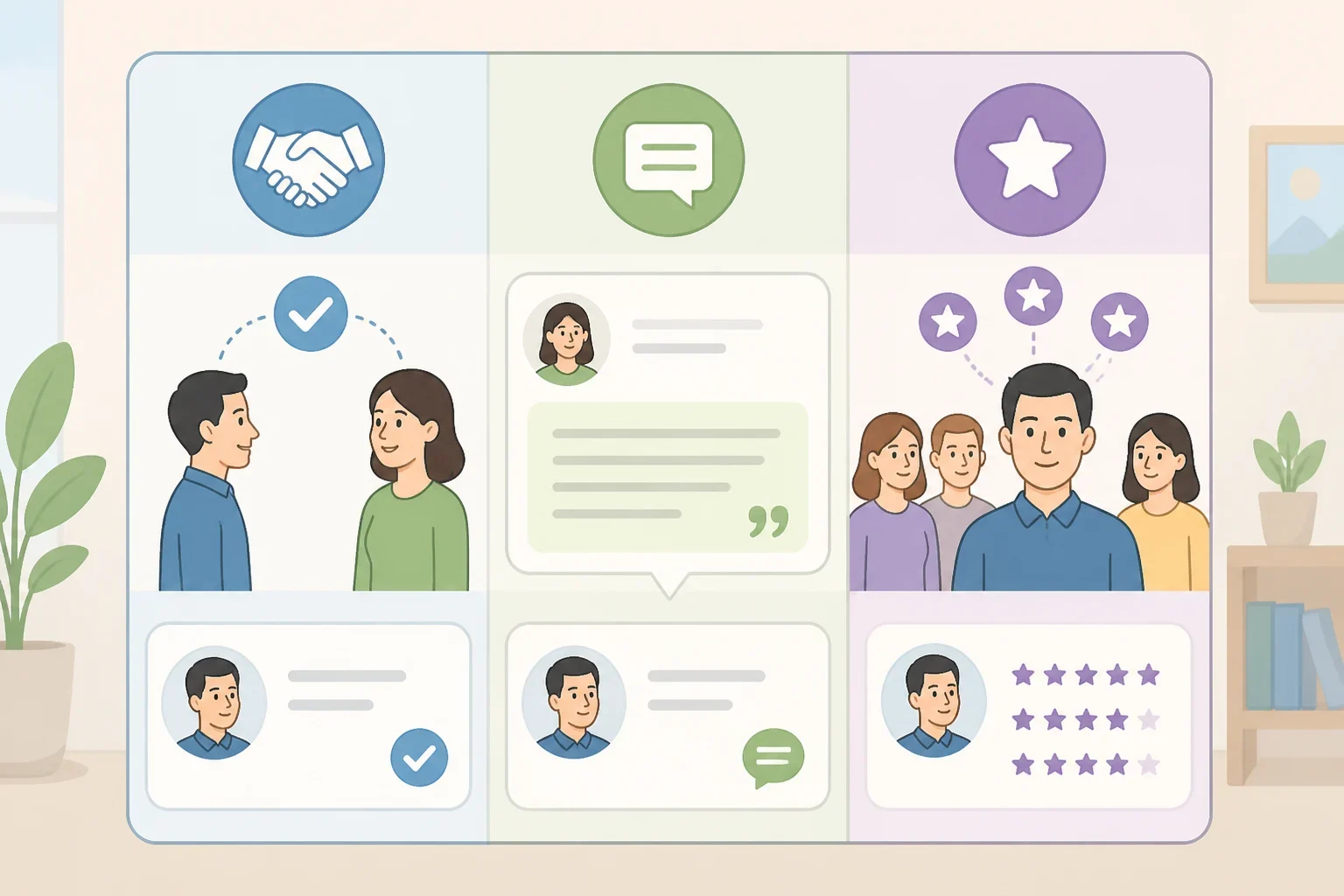
Network verification lands on a platform that already has an older signal doing related but different work: the written recommendation. TechCrunch's reporting draws the line directly, describing peer verification as distinct from an endorsement, where a connection recommends the member to others; verification instead confirms only that two people were in the same place at the same time (TechCrunch).
Signal Who provides it What it establishes What it cannot establish Network/peer verification A verified, year-plus connection Shared association with the member during a stated period (TechCrunch) Performance, skill, or reason for leaving Written recommendation A connection who chooses to write one A personal account of working with the person, written and offered by that connection (TechCrunch) Independent confirmation of the claims it describes
Job seekers requesting a recommendation can still apply ordinary judgment here. Asking for one that names the working relationship, describes a specific project, and ties back to the target role gives a recruiter more to evaluate than a generic compliment does. That's a practical habit worth building regardless of how LinkedIn's verification test plays out.
Neither signal functions as a formal employer reference or a background check. Recommendations and peer confirmations are things members choose to display about themselves and each other on a social platform, not verification performed independently on an employer's behalf.
Who can confirm you, and what's still unproven

Eligibility stays specific even with the safeguards described above. Only connections who already hold a verified profile, and who have been connected to the member for at least a year, can issue a confirmation (TechCrunch). LinkedIn says 75 people now verify their profile every minute (LinkedIn), which means the pool of eligible verifiers keeps growing, though it still excludes anyone whose own profile isn't verified yet.
Several questions stay open. No source here confirms how recruiters will weigh the badge, whether coordinated or inactive networks could undermine confirmations, or whether workers with fewer long-tenured connections, recent graduates and frequent job-changers among them, end up at a disadvantage. Those are open questions, not established outcomes, and worth remembering before leaning on the feature.
LinkedIn is also piloting a related but separate tool: verified company pages can now remove accounts that falsely list themselves as current employees, a control that lives on the employer side of the platform and runs independently of peer confirmation (TechCrunch). Removing someone from a company page doesn't touch that person's own profile; it only strips the clickable link to the page and the verified-employment display (TechCrunch). LinkedIn is also testing a setting that would require anyone claiming a new association with a company page to complete workplace verification first, such as confirming a work email address (TechCrunch). Anyone starting a new job should expect that step to matter more over time, not less.
LinkedIn's separate identity-verification flow, the one that checks a government ID through partners like CLEAR and Persona, has drawn scrutiny over how long those documents get retained once processed (SitePoint reported earlier this year). That flow is distinct from peer confirmation, which runs on connections vouching for each other rather than document uploads (TechCrunch; SitePoint).
What job seekers can check now

Treat the rollout as a reason to look at a profile's accuracy, not a reason to overhaul a job-search strategy. Rodriguez told TechCrunch that verified members see, on average, 50% more post views and 90% more impressions than unverified profiles, a company-reported figure rather than independent evidence that verification changes hiring decisions (TechCrunch).
A few steps fit this stage of the rollout:
- Confirm listed dates, titles, and accomplishments are accurate first; that's the detail an interviewer is most likely to raise directly.
- Identify one former manager or collaborator who can speak to a specific result, and request a recommendation built around that detail rather than a general compliment.
- Check periodically whether network verification has appeared on your account, and consider using it only once it's available, since the feature remains a limited test with an undisclosed confirmation threshold and no confirmed recruiter response yet.
Since no source reviewed here shows how recruiters respond to the badge, peer verification reads as a potential supplement to a profile right now, not a requirement for one. A profile that is accurate first, recommended by someone specific second, and verified third holds up regardless of how quickly LinkedIn expands the test.
