
Do LinkedIn selfies help your job search? What the data shows
LinkedIn is in the middle of a new debate over work selfies. Some creators say face-forward posts are driving huge reach and real opportunities, while others call the trend cringe, narcissistic self-promotion dressed up as content strategy, according to LinkedIn News, which covered the debate 10 days ago. For job seekers wondering whether to post their own face more often, the question underneath all of it is simple: do LinkedIn selfies help your job search, or do they just help some people get noticed in the feed? The profile-photo part of that question is already settled.
This article separates the two: what LinkedIn selfies in posts can plausibly do, what a profile photo already does, and where the evidence for either one actually stops. It's aimed at job seekers and career changers who are active on LinkedIn or thinking about posting more, not just people updating a headshot and moving on.
Do LinkedIn selfies help your job search, or just increase engagement?
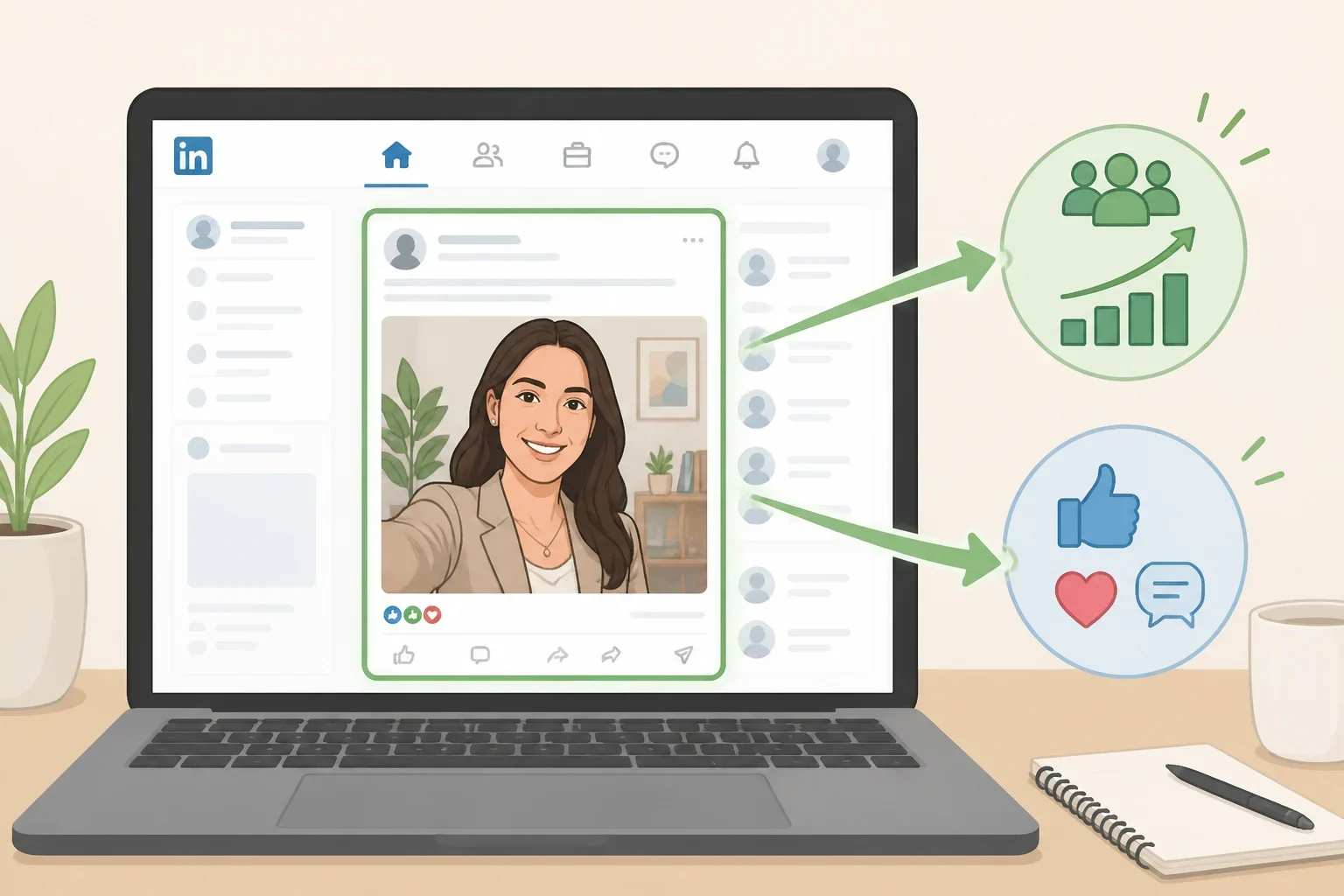
The clearest numerical claims in the roundup come from creators who already have established audiences, including Zoë Hartsfield, who says she has built a community of more than 55,000 followers, according to LinkedIn News.
Marketer Arielle Berlinsky frames the appeal in branding terms: a person's face, voice, and energy function as a kind of digital thumbprint, especially as feeds fill up with more AI-generated content, and showing your face signals you're a real person rather than a bot, according to the same LinkedIn News piece. Personal branding on LinkedIn is a bigger question than whether a post contains a face, and the roundup also cites a figure showing 67 percent of Gen Z respondents say having a personal brand matters in their professional lives, according to LinkedIn News.
Hartsfield makes a more specific, numbers-driven case. She says selfie posts perform 30 to 40 percent better than any other format she uses, and that selfie posts alone have generated more than 9 million impressions for her since the start of the year, and more than 50 million over the past four years, according to LinkedIn News. In her account, the approach has brought real opportunities, including brand deals, speaking engagements, and job offers.
That last point needs to be stated precisely. One creator self-reporting job offers is not controlled evidence that selfie posting causes hiring outcomes. It's an anecdote from a single account with an established audience and years of posting habits already in place, and the supplied reporting doesn't independently document those outcomes for anyone else, including someone building a presence from scratch.
The roundup also includes posts presenting selfies as especially popular among Gen Z, alongside one older commenter's reaction: a self-described 37-year-old who says he still eye-rolls at a selfie paired with unrelated "thought leadership," even while saying he believes Hartsfield's numbers, according to LinkedIn News. For people using selfies on LinkedIn, the relevant comparison is feed engagement versus job-search outcomes, and this thread doesn't settle which instinct is right. The engagement numbers are real for the people reporting them. Whether they transfer to someone without 55,000 existing followers, or whether they move the needle on an actual hiring decision, isn't something this reporting establishes either way.
What the evidence does and does not measure
Two separate research threads get cited in this conversation, and each one measures something narrower than it first appears.
The first is reach. Hartsfield's impression counts describe how far a post travels in the feed. They say nothing about who reads it, whether a recruiter is among them, or whether reach converts into a conversation that matters for a job search.
The second is recruiter attention during an actual profile review, a different moment entirely. A secondary summary of a 2012 eye-tracking study reports that recruiters spent about 1.4 seconds, roughly 19 percent of their initial review time, looking at a profile photo, according to Starkie AI, writing about six months ago. That describes attention paid to a photo while someone is already evaluating a candidate's profile. It has nothing to do with whether that candidate posts selfies in a feed, and nothing in the supplied reporting connects the two.
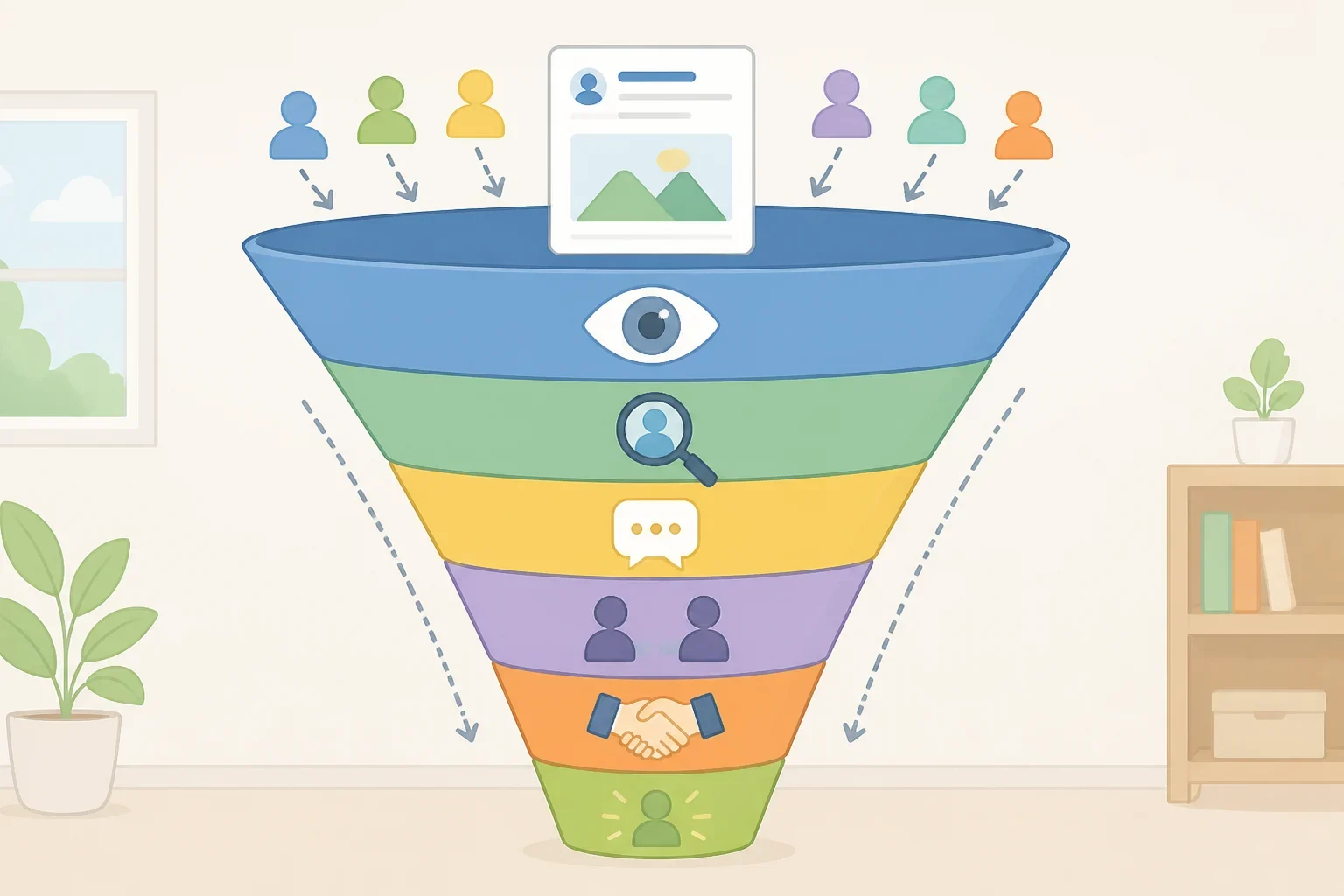
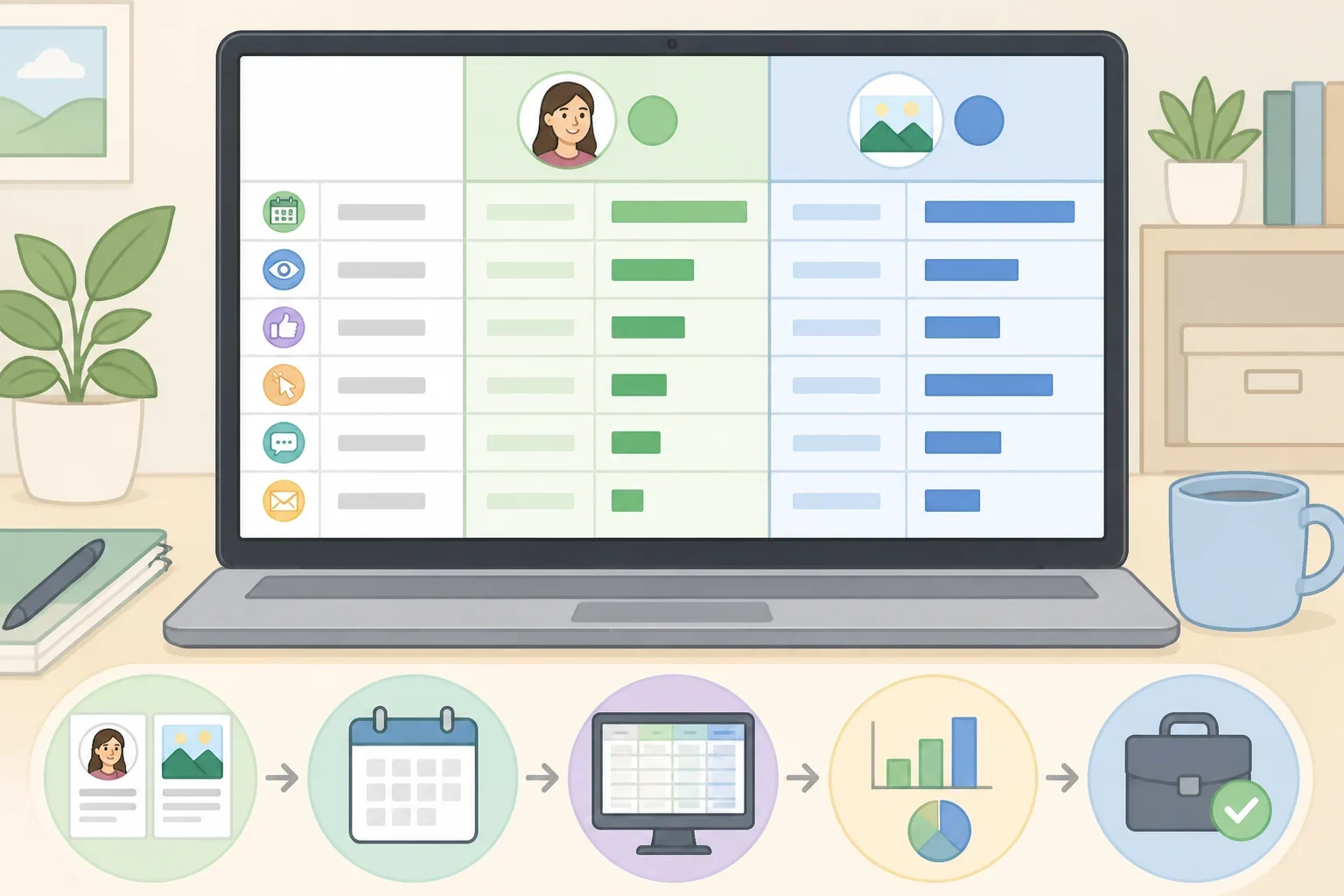
Lined up together, these two threads describe a chain with a missing middle link. A selfie may increase feed visibility for some accounts. That visibility may, in theory, produce profile visits or direct messages. Neither thread, nor anything else in the supplied reporting, establishes that those visits turn into interviews or offers. Job seekers who test the format can track that middle section themselves: compare profile views, relevant connection requests, recruiter messages, portfolio clicks, and substantive conversations across a handful of comparable posts, selfie and non-selfie. That's a personal tracking method, not a validated experiment, but it's the only way to see whether a selfie is doing anything beyond adding impressions.
Put together, the honest read is this: visibility metrics for selfie posts are self-reported and real for the accounts reporting them, and hiring-outcome evidence linking those posts to interviews or offers does not exist beyond one person's anecdote. That makes LinkedIn selfies for job seekers a visibility experiment, not a proven hiring method.
Why the profile-photo question is different
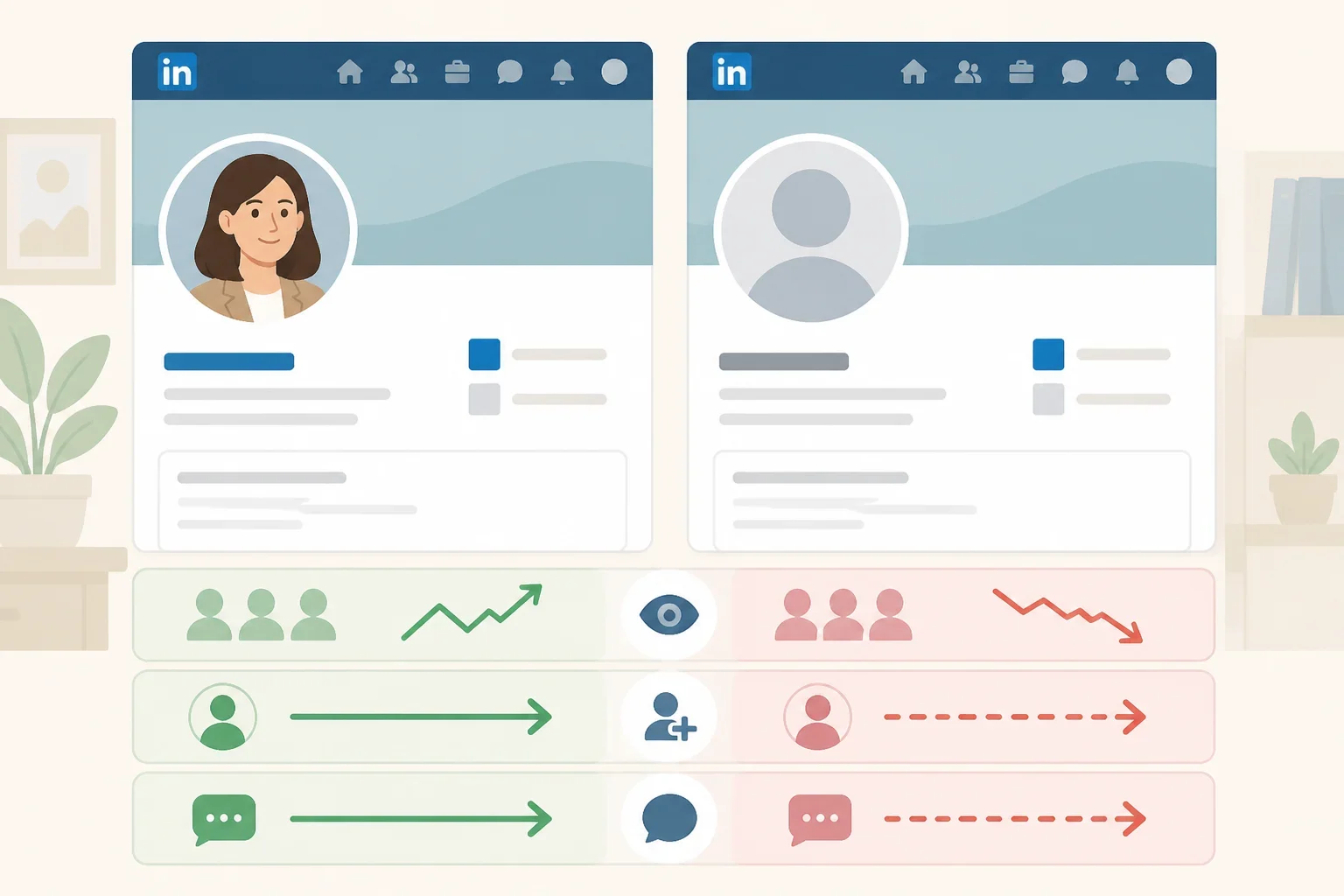
Separate from any posting decision, several secondary sources repeat LinkedIn figures claiming that profiles with a photo receive up to 21 times more views, 9 times more connection requests, and 36 times more messages than profiles without one, according to Photography Shark, publishing about four months ago, and JA Headshots, publishing about five months ago. Both outlets sell headshot photography services, and both trace the figures back to LinkedIn's own reporting rather than an independent study, so the numbers are worth treating as repeated claims rather than settled facts, and worth verifying against LinkedIn's current data before anyone builds a strategy around the exact multiples.
A related line of research helps explain why photos carry so much weight in the first place. Starkie AI's summary of Princeton research by Willis and Todorov describes people forming judgments about a face's competence and trustworthiness within about 100 milliseconds, with additional viewing time rarely changing that first read, according to Starkie AI, summarizing the original 2006 study. The study examined rapid judgments about faces generally; it wasn't conducted on LinkedIn profiles or recruiters specifically, but it's the mechanism LinkedIn's own photo statistics appear to be riding on.
That mechanism is what pushed one practitioner to opt out of a profile photo entirely. In a LinkedIn discussion thread, one commenter said photos can introduce bias around gender and appearance, and that she chooses to skip a profile photo for that reason, according to Brittany Abrahams, posting two weeks ago. That's one practitioner's anecdotal position, not documented hiring-practice data, and it's worth reading as a prompt to weigh the trade-off rather than a verified job-search strategy. Readers should distinguish a LinkedIn profile photo from personal posts because the two serve different functions: one shapes how a recruiter reads a static profile, the other shapes how a feed audience experiences an active poster.
For job seekers who choose to use a photo, Photography Shark suggests a current image, taken within the last two to three years, cropped square, with the face filling roughly 60 percent of the frame. That's a vendor's practical recommendation based on how LinkedIn renders photos across the platform, not a LinkedIn requirement or a documented hiring standard.
What to do next
Keep the profile photo current and clear. The 21x and 36x figures are the most prominent profile-photo claim in the supplied sources, even though they trace back to LinkedIn's own reporting rather than independent verification. That claim has more direct platform-related reporting behind it than the selfie-to-hiring claim, but it still does not establish a hiring advantage on its own.
Treat feed selfies as a separate, optional decision, not a documented job-search tactic. For those already posting career-relevant updates, the creators quoted in this debate tie any selfie to a specific occasion the caption is actually about: a conference attended, a project finished, a colleague mentioned by name. Their own advice is to avoid posting "a selfie with nothing to say," since a photo without a substantive point can read as self-promotional rather than credible, according to LinkedIn News.
If testing the approach, track the middle section outlined above: profile views, relevant connections, recruiter messages, and substantive conversations, across a few comparable posts rather than judging by impressions or likes alone. The supplied reporting does not show that selfie posting leads to interviews or offers beyond one person's account, so any gain should be measured against a job search's actual goals, not feed metrics.
