

What Is a Talent Community? How Employer Sign-Ups Work
A "join our talent community" prompt on a company's career page invites job seekers into an opt-in group for people who've said they're interested in an employer, even when nothing on the current job board is a fit, according to Gem. That's the talent community meaning in its simplest form: a way to stay on an employer's radar without necessarily submitting a full application, though some sign-up flows sit right next to an actual application form. It may be relevant to job seekers who are interested in an employer but aren't ready to apply for a specific role, whether that's a recent graduate testing out a few companies or an experienced professional watching one employer for the right opening later on.
Oracle's recruiting software shows how formal this can get. Location is always displayed on its talent community sign-up page, and Oracle says candidates must provide a value in at least one displayed preference field, such as category or job function, for the sign-up to go through, according to Oracle's documentation. That's one platform's configuration, not proof of how every employer's form works, but it shows a talent community can be a configurable recruiting feature built into the hiring system, not an informal mailing list bolted onto a webpage.
This explains what happens after someone joins an employer talent community, why companies build them, how that differs from applying to a listed job, and what to check before clicking "sign up." None of it suggests that joining gets a resume in front of a hiring manager any faster.
What is a talent community, and how does it work?
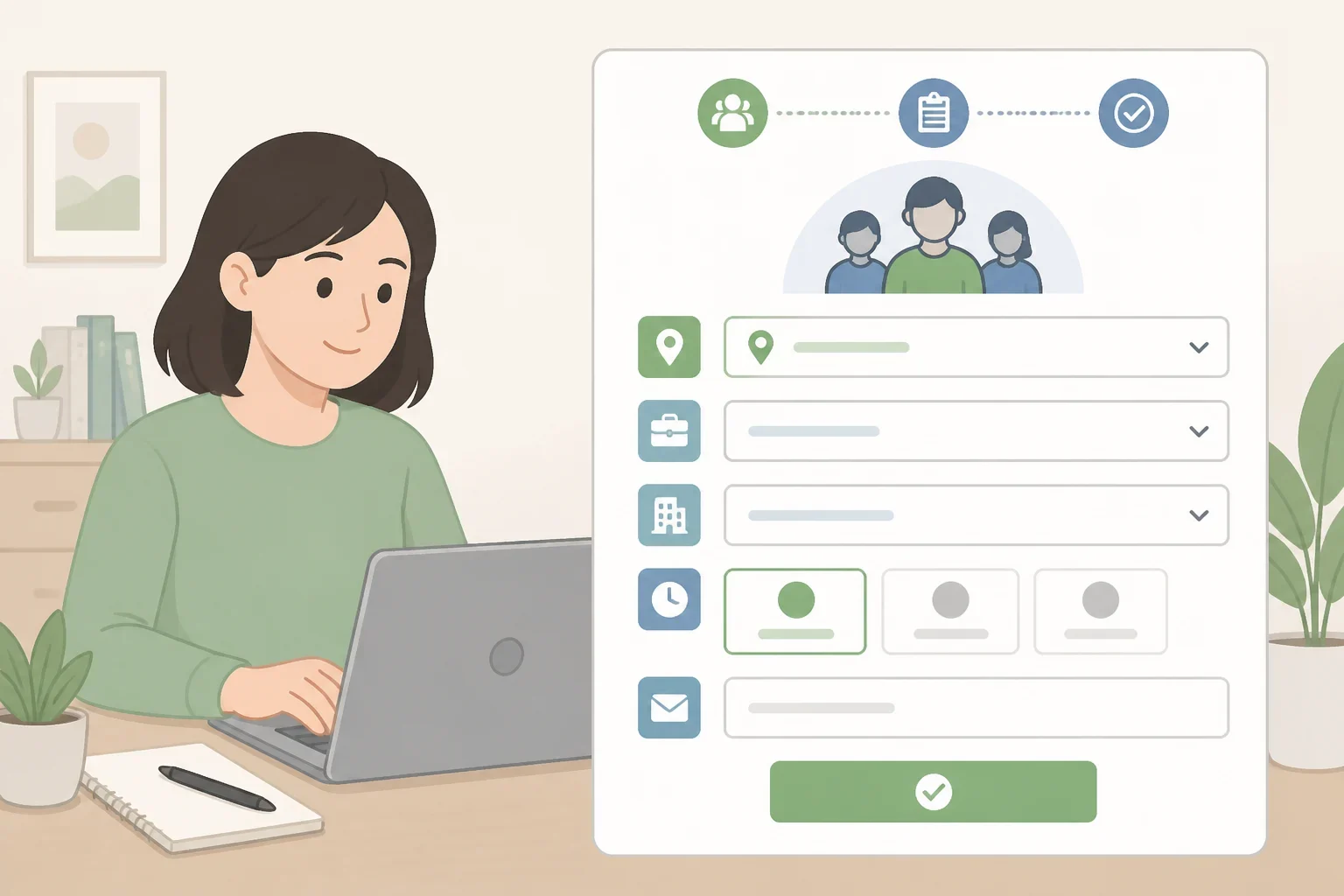
Gem describes a talent community as a network of people who've expressed interest in a company but whose circumstances keep them out of the hiring process for now: no open role fits, the timing is off, or someone is happy where they are but open to a future move, according to Gem. Gem also says the term is still being defined, so employers may use it differently from one career site to the next.
On Oracle's platform, the sign-up form can include blocks for profile import or contact information, depending on how the employer configures the flow, according to Oracle. Gem's own forms work along similar lines: they're customizable and can collect contact details plus a LinkedIn URL, according to Gem. What a given form asks for depends on the platform and how the employer sets it up, so one company's version won't necessarily match another's.
TalentNet, a separate recruiting-software vendor, frames the concept more broadly, describing a talent community as a candidate-management structure connecting companies, hiring managers, and applicants so a pipeline of future hires already exists before it's needed, according to TalentNet. That's a useful way to think about the idea, but it's vendor framing rather than an independent industry standard.
What that means for the person filling out the form: joining hands over some combination of contact details, location or job preferences, and possibly a LinkedIn profile, in exchange for ongoing messages from the employer rather than a decision on a specific job. Signing up doesn't obligate the employer to respond, interview, or even acknowledge the submission beyond whatever automated outreach it has set up.
Why do employers build a talent community?
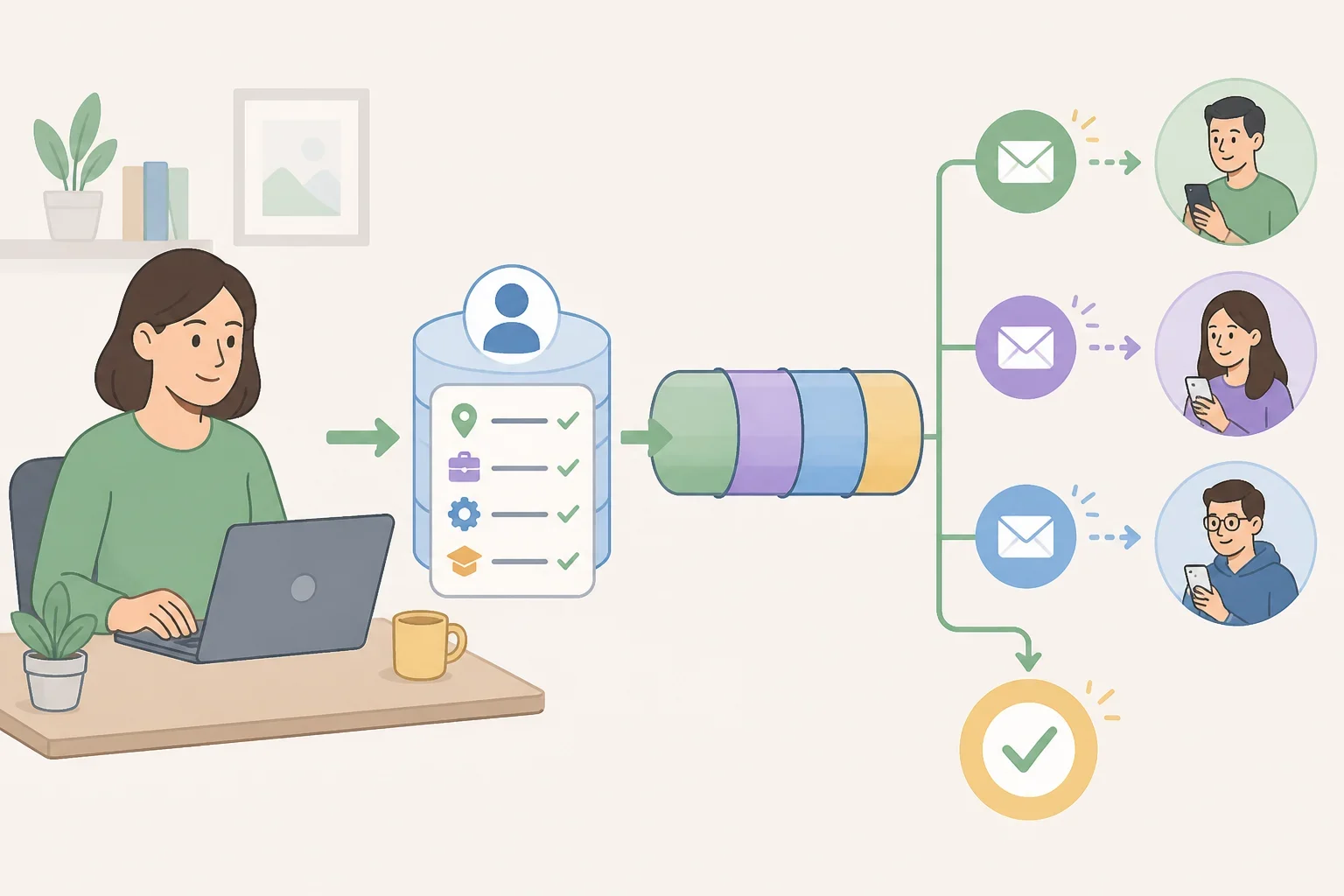
Gem frames the purpose as capturing interest that would otherwise be lost to bad timing, whether that's no open role or a candidate who isn't ready to move yet, according to Gem. TalentNet describes its own product in similar terms, as a way to fill positions when the need arises rather than starting a search from nothing, according to TalentNet. Both companies sell this kind of software, so their framing describes the intended purpose, not an independent audit of how well it works in practice.
Gem also makes efficiency claims about its own approach: a warm, pre-engaged pipeline can shorten time-to-fill, lower cost-per-hire, and improve candidate quality compared with sourcing cold applicants, per Gem. The supplied research does not independently verify these claims, so they read as a vendor's pitch to employers rather than a guarantee of how any single company's program actually performs.
Gem says recruiters can use information collected through its forms, contact details plus a stated department or location interest, to send periodic outreach over time. Gem also notes that recruiters may add people they've sourced independently, even if that person isn't ready to move, folding them into the same nurture pipeline, according to Gem. None of this means a recruiter is actively considering a specific person for a role today, and the research here doesn't establish how quickly any given employer follows up once someone joins.
Talent community, job alert, and job application: what's different
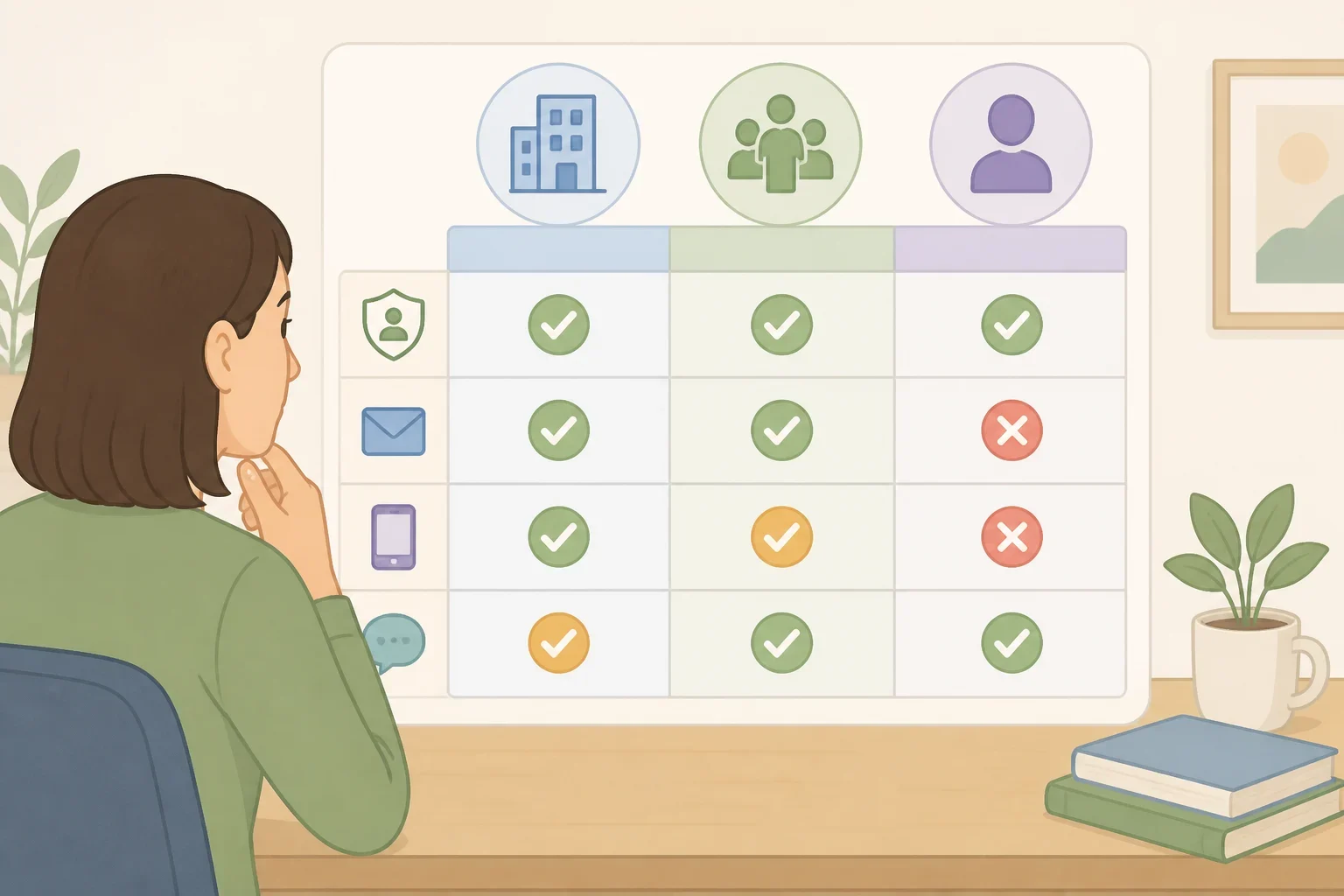
These three terms get used loosely, but they aren't the same thing, at least not on the platforms covered here:
- Talent community: an opt-in for future interest and ongoing employer communications, not tied to a single opening, according to Gem.
- Job alert: on Oracle's system, a separate opt-in that sends notifications about openings matching a candidate's stated preferences, according to Oracle.
- Job application: ordinarily, consideration for one specific, currently posted role. On Oracle's platform, candidates don't have to accept marketing communications to move forward with an actual application, according to Oracle.
Content strategy backs up how different a talent community can be from a job posting. Gem recommends that for its highest-rated members ("star" candidates in the platform's terminology), messaging follow roughly a 20/80 split: about 20% focused on actual openings, the rest built from educational or culture content, per Gem. That's a recommendation for one tier of contacts on one platform, but it suggests that much of what a member receives may have nothing to do with a specific job.
Gem's software also lets recruiters rate incoming members with a star, a check, or an X, sorting incoming talent for recruiter review, according to Gem. Gem recommends pulling "star" contacts out for more regular engagement, which means two people who join the same community on the same day may not receive the same follow-up, per Gem.
The research provided here does not establish how other applicant-tracking systems structure consent. The safer approach is to read the actual checkboxes on any sign-up form rather than assume it matches what another employer's site does.
Why join a talent community, and what to check first

For a job seeker considering an employer's talent community, sometimes labeled a talent network for job seekers depending on the company, the question isn't really whether these programs exist. It's whether a specific company's version is worth the time it takes to join, and that depends heavily on how the employer communicates once someone signs up.
Research on the broader hiring process, not talent communities specifically, offers a useful reference point. A study published last year, based on 100 respondents (41% entry-level, 38% associate-level), found that transparent communication and timely follow-up during recruitment were associated with stronger trust and longer engagement with an employer, particularly among early-career workers, according to the comparative study. The same research found that ambiguous expectations and a lack of follow-up were linked to disengagement and mistrust, per the study. It covers general recruitment experience rather than talent-community messaging, so it works better as a lens for judging an employer's communication style than as proof of how these specific programs perform.
Gem recommends that employers always give members an easy way to opt out, noting this may be a legal requirement in some cases, according to Gem. That's worth checking on any sign-up form before submitting information.
A few checks are worth the couple of minutes they take:
- Confirm whether job-alert consent and marketing consent are separate choices on the form, or bundled together.
- Set preferences, location, category, job function, that actually reflect the roles being targeted.
- Use an email address checked regularly.
- If the platform allows editing after sign-up, revisit preferences periodically rather than assuming the profile updates on its own.
What to do next
Read the sign-up form closely enough to know exactly what's being requested, a job alert, a marketing opt-in, or both, before submitting anything. Then apply directly to any specific posting that matches your qualifications rather than waiting on the community to surface it.
