
Why am I not getting interviews after applying for jobs?
One recent graduate described her job search as clicking "apply" on LinkedIn "around the hundred to 200 mark" before she landed her first interview, according to ideas42. She's not an outlier. Among the recent grads ideas42 surveyed earlier this year, 32% had submitted more than 100 applications, and by the end of 2025, only 30% of the Class of 2025 had a full-time job, ideas42 found.
That gap is why so many job seekers land on the same question: why am I not getting interviews after applying for jobs, and will sending even more of them help? This article is written for college students, recent graduates, and other entry-level job seekers, the population the available research actually covers. A high application count with no interviews doesn't automatically mean a résumé is broken. It can reflect mismatched roles, normal search variability, or softer hiring conditions for a specific graduating class, and understanding why job applications get rejected in bulk starts with sorting out which one applies before sending another batch.
Why am I not getting interviews after sending hundreds of applications?
Among the students ideas42 surveyed, those who submitted 100 or more applications did not receive more interviews than those who applied to just 10 or 20, according to ideas42's research. That's survey evidence of no observed advantage in that group, not a controlled experiment proving that volume itself backfires. Still, it argues against applying indiscriminately just to raise the count.
A separate study, published in the International Journal of Selection and Assessment, used application-platform records to track 183 students in a Canadian co-op program applying for full-time, paid work in their field, recording interviews secured within the first 29 days of their search. On average, applicants landed interviews on about 10% of the jobs they applied for, with wide variation between candidates, a standard deviation of 13 percentage points. Because the study only tracked the first 29 days, that figure describes early-search results for co-op students, not a long-term benchmark for how any job search eventually plays out. It's one reference point for a narrow group, not a universal target.
Market conditions add context, though a dated one. Employer hiring projections for the Class of 2025 fell from an expected 7.3% increase to just 0.6%, NACE reported last year. That update was based on a spring survey of hiring plans specifically for the Class of 2025, not a read on the broader job market as it stands now. It helps explain why some graduates from that class hit a long stretch without interviews even with solid materials, but it isn't a description of current hiring conditions across every industry and location.
How to get more job interviews: writing quality and tailoring
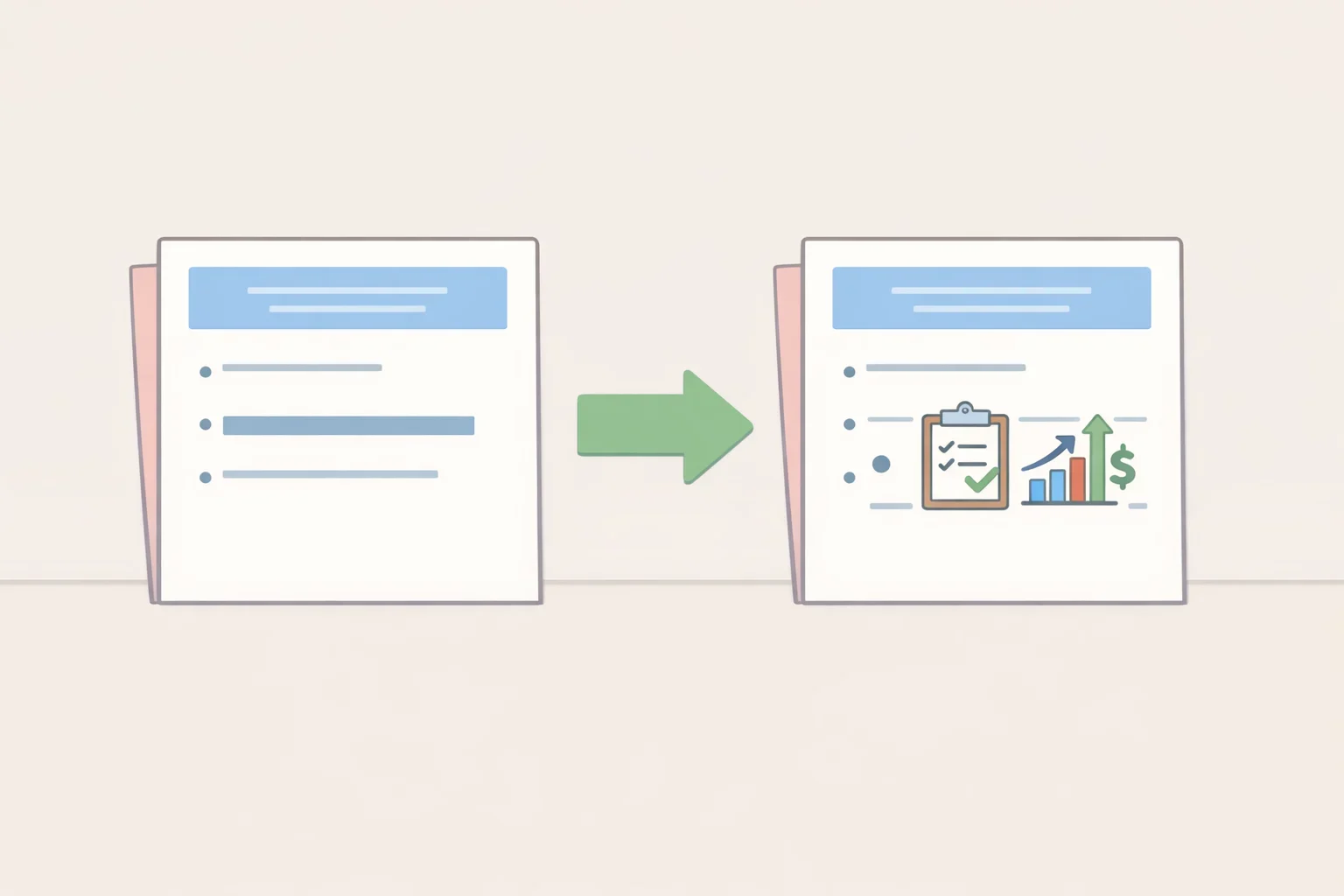
In the co-op study, applicants whose résumés and cover letters were clearer, more detailed, and better organized secured more interviews relative to the number of applications they submitted, and found jobs faster. That pattern held even after researchers accounted for work experience, GPA, and demographics.
The study's authors estimated that a one-point improvement in writing quality across both documents was linked to 7% more interviews per application and a job secured nearly 10 days earlier. That association held even after researchers separately accounted for how tailored each applicant's materials were, which suggests writing quality and tailoring operate as two distinct factors rather than one standing in for the other. It's an estimated association from one applicant pool, not a guarantee that revising a single résumé produces the same result.
ideas42 reports a related pattern with tailoring specifically: tailored résumés receive roughly twice as many callbacks as generic ones, and close to 20% of hiring managers call a generic, non-customized résumé an instant deal-breaker, ideas42 found. Despite that, only 9% of the students ideas42 surveyed said they always customize their résumé, and more than a third never do.
Employers are also screening differently than they used to, at least among those surveyed. Among the 183 respondents to NACE's Job Outlook 2026 survey, most of them NACE employer members, 70% reported using skills-based hiring earlier this year, up from 65% the year before, applied most often during interviewing (87%) and screening (65%), NACE reported. That describes a trend among the surveyed employer group, not a universal hiring standard adopted by every company. It lines up with a longer shift the same survey documented: GPA screening among those respondents fell from 73% in 2019 to 42% today, per NACE.
Neither study tested this directly, but a posting that lists "data analysis" as a requirement is likely better answered with the specific dataset, tool, and result from a class project or internship than with the phrase "data analysis" copied onto a bullet point. Naming the project gives a screener something concrete to evaluate instead of a keyword any applicant could paste in. The same idea applies to "cross-functional collaboration": describing the group, the role played, and the outcome gives a reader more to assess than language lifted straight from the job description.
A practical check before sending more applications
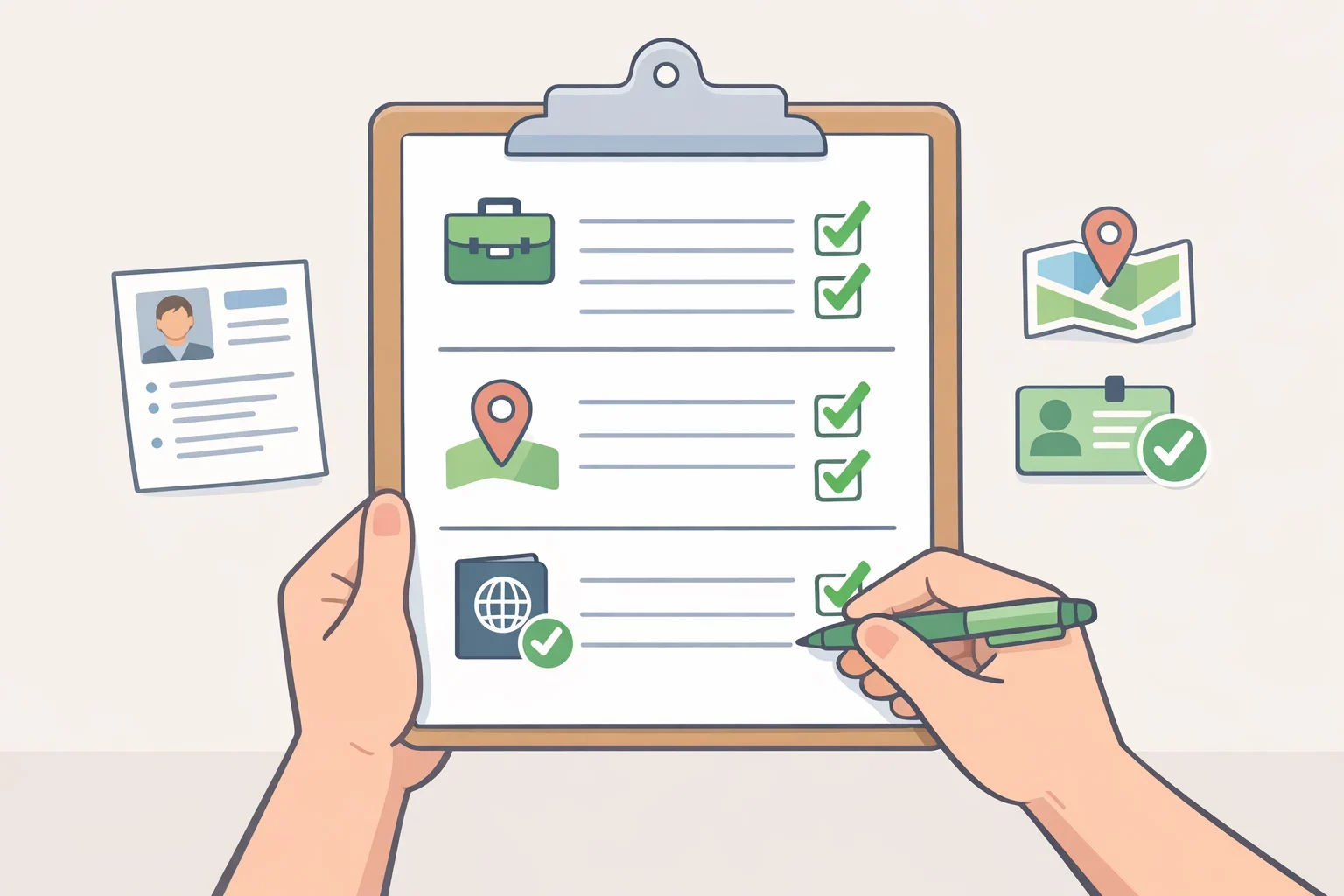
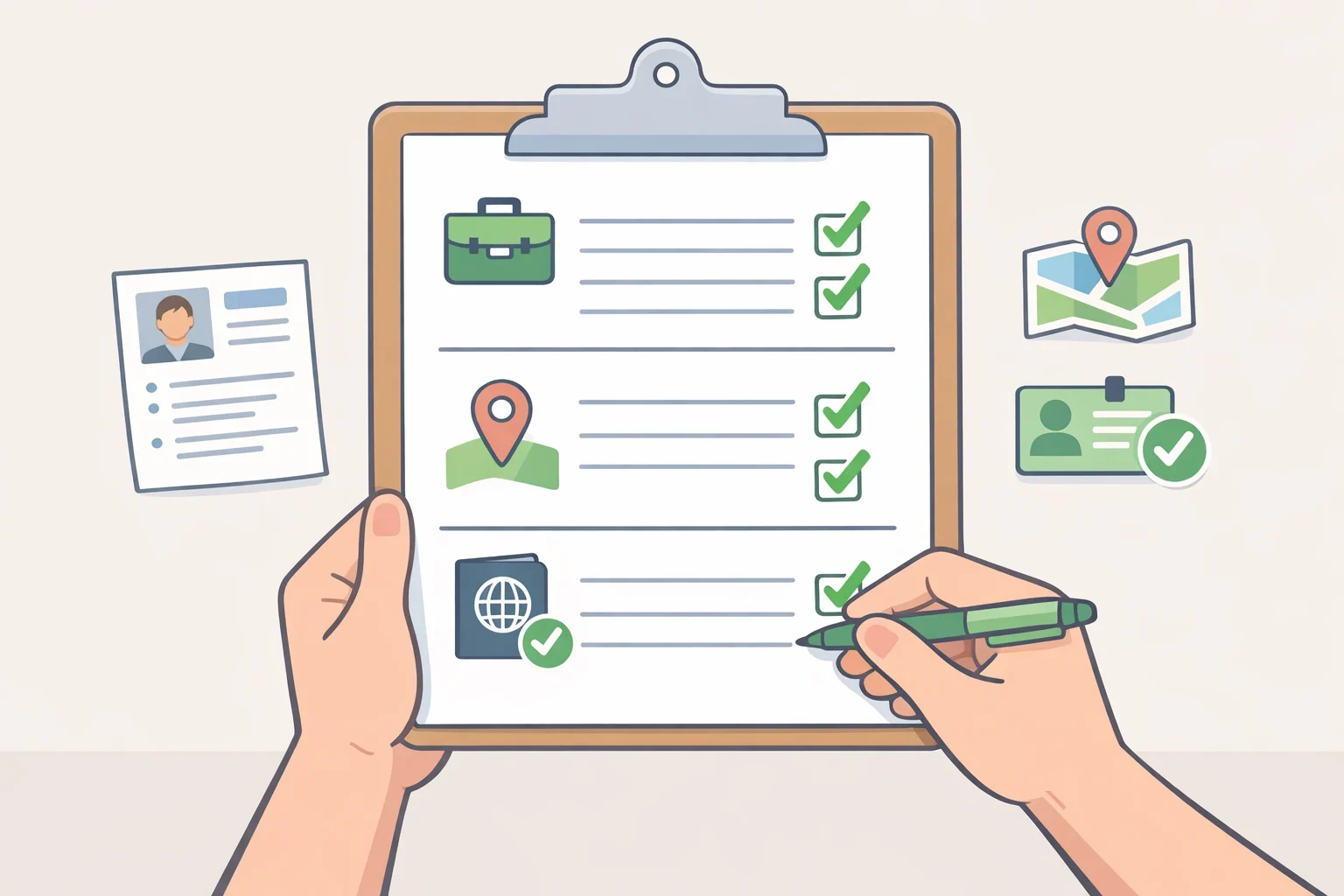
ideas42's research and the co-op study point to a short list of checks worth running before sending another round of nearly identical applications.
- Audit fit first. Confirm that recent applications actually matched the required qualifications, location, and work authorization listed in each posting. Some silence reflects mismatch, not weak writing.
- Build a résumé bank instead of one all-purpose résumé. ideas42 recommends keeping a master document of experience and pulling two or three required skills from each posting to customize around, rather than sending the same file everywhere, per ideas42.
- Get a second read on clarity. The co-op study found that writing quality had a measurable, independent effect on interview rates, separate from tailoring, so it's worth reviewing drafts for clear, specific, well-organized language rather than just keyword matches.
- Weigh warm contacts against realistic alternatives. ideas42 cites widely used estimates that a referred candidate is roughly 11 times more likely to get hired than someone applying cold, and that up to 70% of openings may be filled through connections rather than public postings. That path assumes network access not every candidate has equally. Without strong personal connections, a campus career center, alumni directory, or instructors can substitute; ideas42 found that 92% of professors expect to be asked for career guidance, yet fewer than two-thirds of students ever attend office hours.
- Test a smaller, tailored volume as an experiment. ideas42's own rule of thumb is to spend about 20% of a job-search week submitting five quality, tailored applications rather than 50 generic ones, and to spend the rest of the time on outreach, per ideas42. That's a practical experiment, not a research-backed guarantee, so compare the interview rate from this approach against a prior batch of generic applications before drawing conclusions.
Start by pulling three recent job postings tied to rejections or silence and listing the required skills for each one. Check whether the current résumé names a specific accomplishment for every skill listed, not just the skill's name. Run a small batch of applications using ideas42's five-a-week approach and track the interview rate against the last batch sent; if it still doesn't move, that's a reasonable point to book time with a campus career center for a closer look at the materials themselves.
