
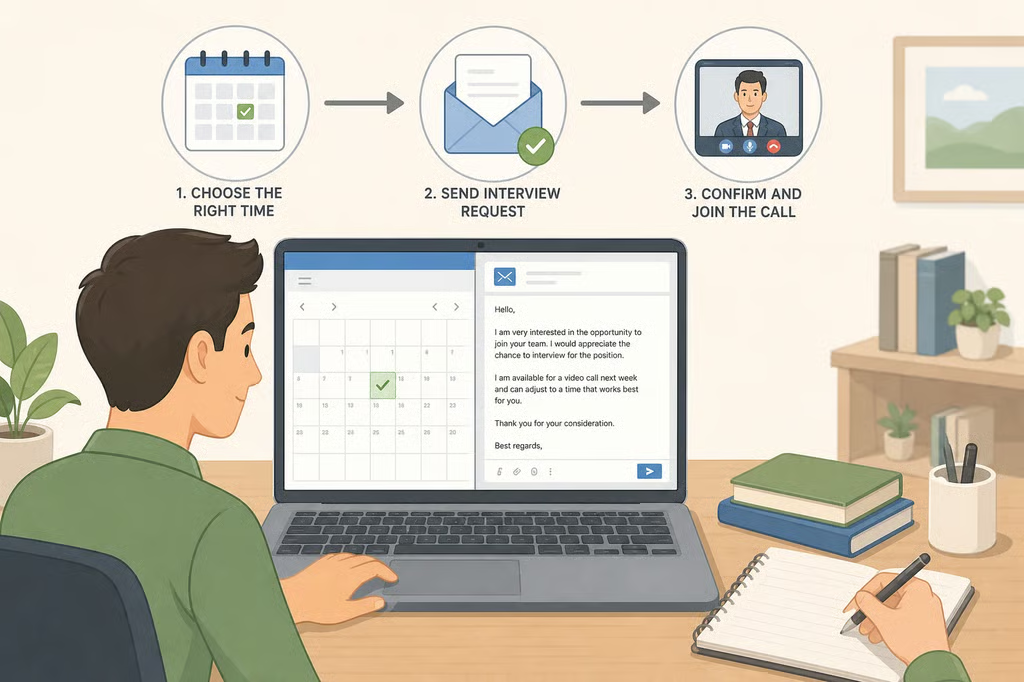
How to ask for a remote job interview: Timing and tips
Knowing how to ask for a remote job interview can help avoid an unnecessary trip while keeping the hiring process moving. The request may work well for a remote or distributed role, especially during early interview rounds. It may be less likely to work for an onsite position, a role that involves frequent in-person collaboration, or a leadership job where the employer expects an onsite final meeting.
This guide explains how to assess the request, when to raise it, what to say, and how to clarify whether “remote interview” means a live conversation, a prerecorded video, or an AI-led evaluation. By the end, you will have a message you can adapt for a recruiter and a checklist for evaluating the proposed interview process.
Can you interview remotely for this job?
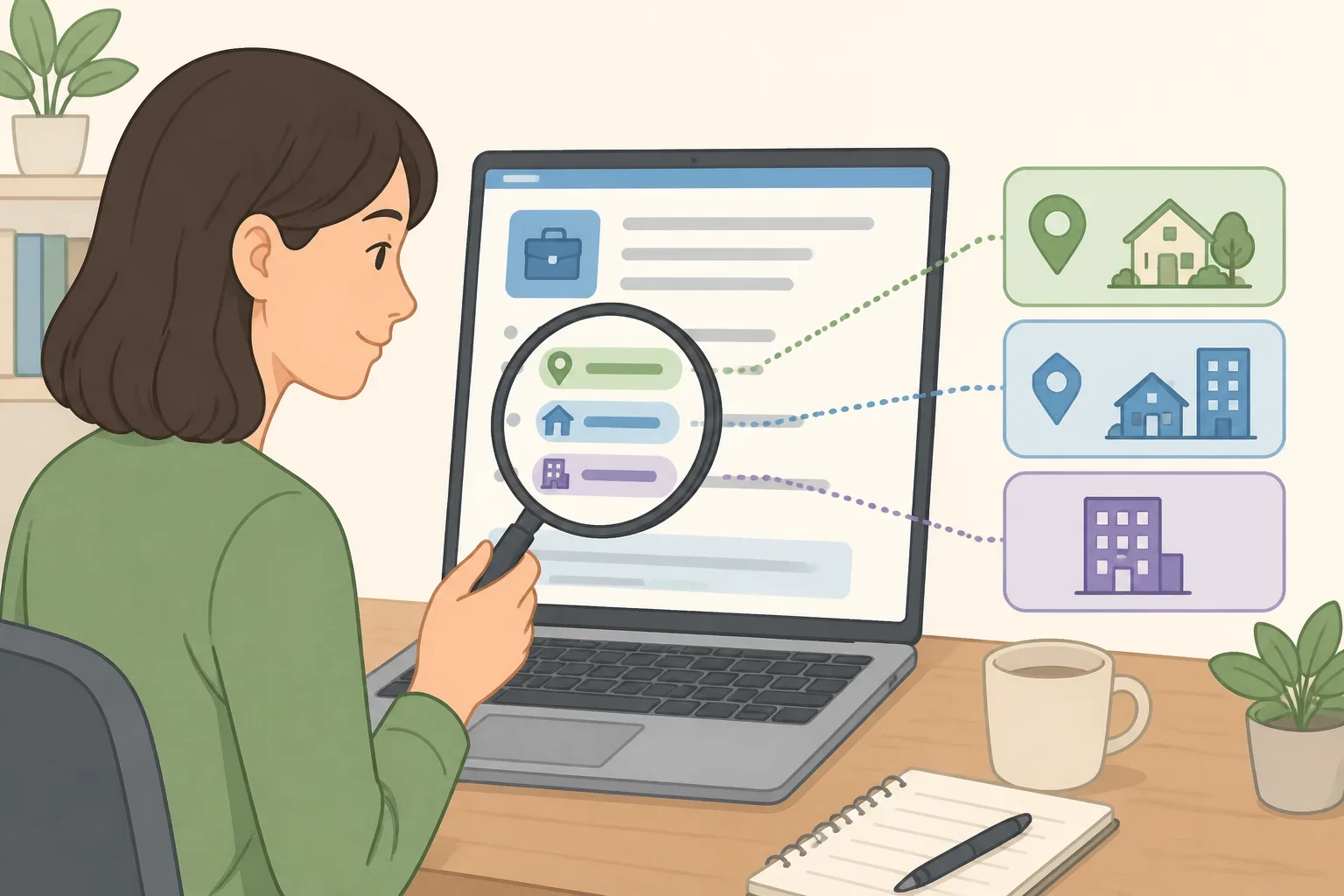
Start with the job’s work-location terms. Look for “remote,” “distributed,” “hybrid,” or “onsite” in the posting, then check whether the employer describes its hiring process. That information is not a guarantee, but it gives a useful first indicator of whether a request for a virtual job interview fits the company’s existing practices.
Virtual interviews became common during the shift to remote work in 2020, and many companies continued using them for at least part of hiring, according to SHRM, which reported on the practice in 2023. Virtual interviews can help employers reach candidates across a wider geographic area and move more quickly toward an offer.
Some companies have built remote interviewing into their standard process. PwC adopted a fully remote interview process to expand its talent pool, according to SHRM. Elastic, which employed 2,000 people across nearly 40 countries and 18 time zones last year, treats remote hiring as part of how the company operates, according to HackerRank.
A hybrid process is also common. SHRM described employers that use phone or video interviews for the first and second rounds, followed by an onsite final interview. A 2023 study from the American Staffing Association found that 70% of American job seekers preferred in-person interviews, according to SHRM. That preference does not determine what an employer will require, but it helps explain why some companies continue to include an onsite meeting.
Before requesting a remote interview, sort the opportunity into one of these categories:
- Remote or distributed role: A fully remote interview process may be a natural fit.
- Hybrid role: Early rounds may be virtual, while a later meeting may be onsite.
- Onsite role: Ask about a remote first interview, but do not assume every round can be virtual.
- Leadership role: Prepare for the possibility that the employer will want at least one in-person meeting.
These are patterns, not universal rules. The employer, role, seniority, and stated work location still control the process.
When to request a virtual job interview
Raise the question as soon as the interview is being scheduled. The recruiter or scheduling contact is usually the right person to ask. If no recruiter is listed, reply to the person who invited you to interview or use the contact information in the application instructions.
Asking early gives the employer a chance to explain the process before travel plans or multiple interview rounds are arranged. It also avoids making the request sound like a last-minute change after the company has already planned an onsite meeting.
Keep the reason short. A long explanation can make a practical scheduling question feel more complicated than it is. Living in another location, searching outside the local area, or preparing for a move are all reasons that can be explained briefly. A general preference for video may be harder for an employer to distinguish from a requirement of the role.
Frame the request around keeping the process moving. Virtual interviews can help employers consider candidates from a wider geographic area and speed up hiring, according to SHRM. The request is easier to evaluate when it includes a clear reason, specific availability, and a practical backup plan.
Offer several time windows and include the time zone if the interview involves candidates or interviewers in different locations. Provide a phone number in case the video connection fails. Katie Lopez, CHRO at Bonduelle Fresh Americas, told SHRM that the process should continue by phone if video stops working rather than penalizing the candidate.
How to ask for a remote job interview
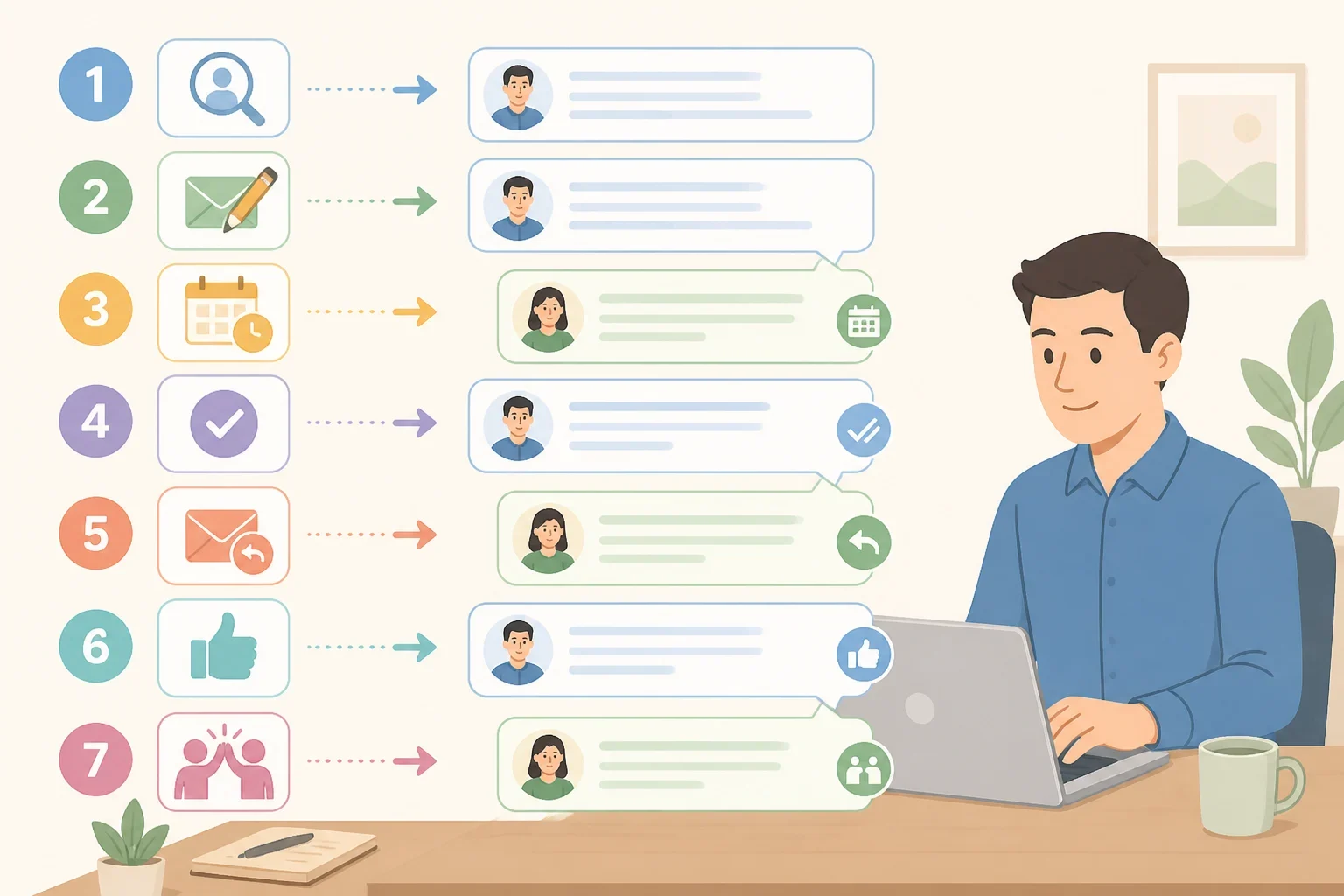
Follow this sequence:
- Check the work-location language. Confirm whether the role is listed as remote, hybrid, or onsite. Review the company’s careers page for information about distributed teams or virtual hiring.
- Ask when the first interview is scheduled. Do not wait until several rounds have been arranged if the request applies to the entire process.
- Give one practical sentence of context. State where you are based or explain that travel is not feasible at this stage. Avoid presenting a personal preference as though it were an employer requirement.
- Confirm your interest. Tell the recruiter that you remain interested in the role and would be glad to meet virtually.
- Offer availability. Include several days or time windows, along with your time zone if you are interviewing from another location.
- Provide a backup contact method. Add a phone number and ask whether the interviewer would like to use it if the video platform fails.
- Ask about later rounds. If the employer agrees to a virtual first interview, ask whether the remaining process is also remote or whether an onsite meeting is expected.
A company with a structured remote process may already provide useful details. Elastic gives candidates a scheduling link, an interview guide identifying the people they will meet, and feedback sessions after each round, according to HackerRank. Asking for similar information is reasonable, but do not assume another employer follows Elastic’s process.
Message for a recruiter
Subject: Interview format for the [job title] role
Hello [name],
Thank you for inviting me to interview for the [job title] position. I am currently based in [location] and would like to complete the interview process virtually if possible. I remain very interested in the role and am available [list two or three time windows].
If the video connection has an issue, I can also be reached at [phone number]. Could you let me know whether the later interview rounds are expected to be virtual or onsite?
Best,
[name]
This version works when an employer has invited you to interview but has not explained the full process.
Scheduling email for a specific interview
Hello [name],
Thank you for arranging the interview for [day and time]. Would it be possible to conduct this conversation by video? I am currently in [location], and a virtual meeting would allow me to participate without arranging travel.
I am available at the scheduled time and can also make [alternative time] work. Please send the meeting link when convenient. My phone number is [number] if we need a backup connection.
I look forward to discussing the [job title] role.
Best,
[name]
The message is direct without sounding apologetic. It also leaves room for the employer to explain its requirements.
Prepare for what the employer may say
An employer may agree to a remote first interview but require an onsite final. If that happens, ask what the final meeting is intended to cover, who will attend, and whether any alternative is available. Extended video panels or conversations with future teammates may be options, but they are requests to discuss, not guaranteed replacements.
Leadership roles may draw more resistance. Mary Olson-Menzel, founder and CEO of MVP Executive Development, told SHRM that final interviews for director-level positions and above should be in person because leaders’ behavior and mannerisms matter. Playvox, a workforce management software company, also used virtual interviews for nonleadership roles while making leadership positions an exception, according to the same SHRM report.
That is one company’s practice and one executive coach’s view, not a rule for every senior position. Candidates for leadership roles should still ask about the final format early and plan around the possibility of an onsite meeting.
A response could look like this:
Thank you for explaining the process. I can complete the initial interviews virtually. For the final onsite round, could you share who I would meet and what the meeting would involve? If an onsite meeting is required, I would also appreciate knowing whether there is a virtual alternative or whether the visit can be scheduled after the earlier rounds.
Clarify what “remote interview” means
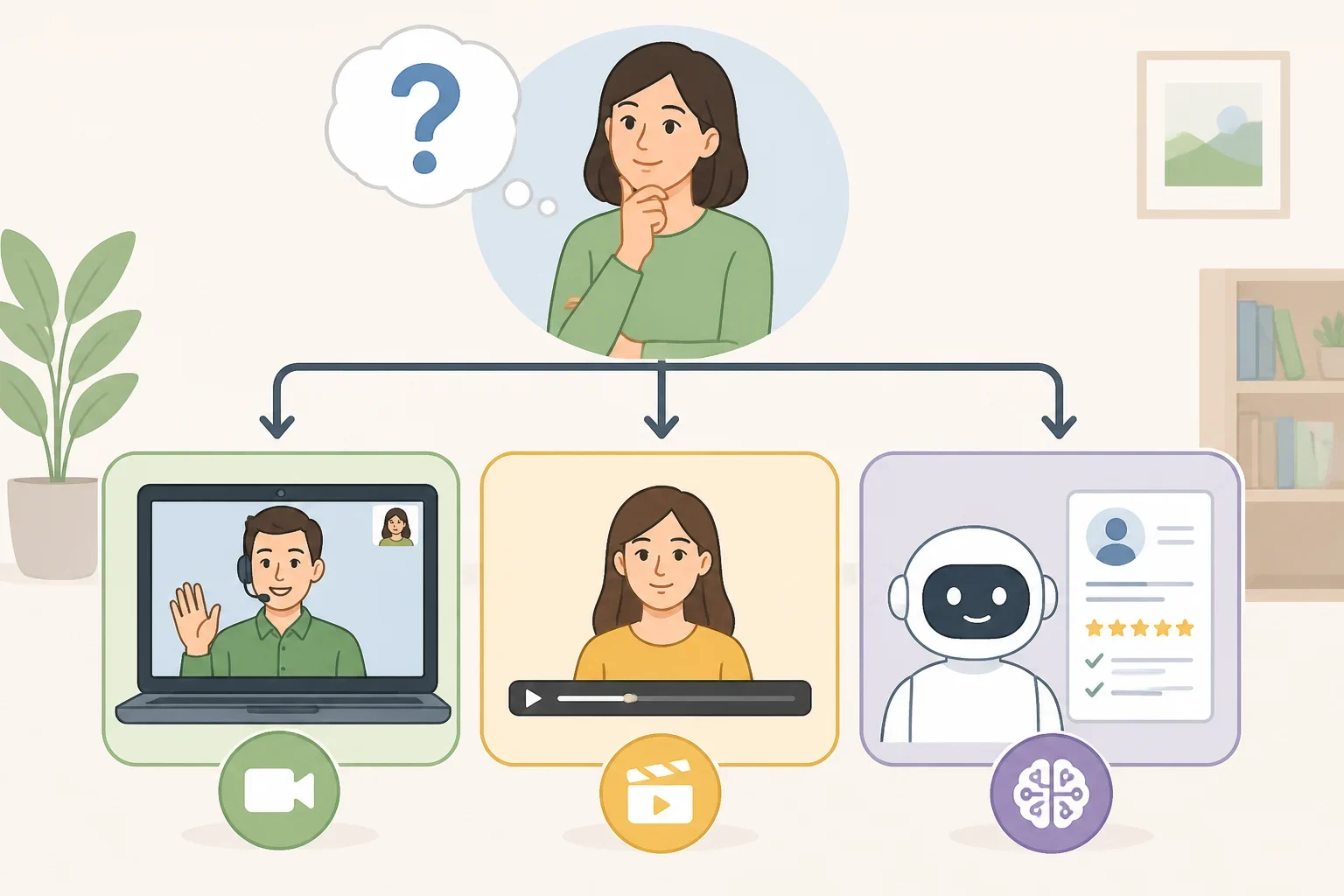
A request for a remote interview does not necessarily mean a live conversation with a hiring manager. Some interviews are live video calls. Others are prerecorded or asynchronous, meaning the candidate answers questions alone. An employer may also use artificial intelligence to evaluate, score, or monitor part of the process.
An Indeed guide describes a live video interview as a meeting where the candidate joins a link and speaks with an interviewer on the other end. Ask for the format before preparing, because a live conversation requires a different approach from a timed recording.
Use these questions:
- Is this a live video call with a recruiter or hiring manager?
- Will the interview be prerecorded or asynchronous?
- Will artificial intelligence evaluate, score, or monitor any part of the interview?
- What will the system assess?
- Will a person review the results before a hiring decision?
- How many interview rounds are planned?
- Which rounds, if any, require an onsite visit?
A Greenhouse report published five months ago, based on a survey of 2,950 job seekers across the United States, United Kingdom, Ireland, Germany, and Australia, found that 63% of U.S. job seekers said they had already experienced an AI-led interview. The Greenhouse 2026 Candidate AI Interview Report focuses on AI interviews rather than remote-interview requests specifically, but it shows why the format deserves a direct question.
Among U.S. candidates who experienced AI evaluation, 70% said the use of AI was not clearly disclosed before their most recent interview, and one in five found out only after the interview began, according to Greenhouse. The same report found that 38% wanted confirmation that a person reviewed AI output before decisions were made, while 46% wanted the option to request a human interview instead.
Those figures do not establish whether a particular employer’s system is fair or appropriate. They do provide a practical checklist. Ask what happens, what is being measured, and who makes the final decision. If the recruiter cannot answer, request written details before completing the interview.
Keep formal accommodations separate
A request based on travel, distance, or scheduling is different from a formal request related to a disability, medical condition, or another legally protected circumstance. This article does not provide accommodation or legal guidance.
If the need for a remote interview involves a formal accommodation, contact the employer’s HR department or another qualified source. Explain the situation through the appropriate channel rather than folding it into a general scheduling email.
Take the next step
Check the job posting’s location terms, then ask the recruiter whether the interview can be completed remotely and whether every round uses the same format. Send a short message with one sentence of context, several available times, and a phone backup.
If the employer says an onsite round is required, ask what it involves before deciding how to proceed. If the employer calls the meeting “remote,” confirm whether it is live, prerecorded, or AI-evaluated. That clarification changes how to prepare and gives you a clearer basis for deciding whether the process fits.
