

- PwC CEO career advice for college students: what to verify
- Paul Griggs career advice: what he said, and what PwC is actually doing
- What PwC CEO career advice for college students can and cannot tell you
- A different plan for accounting, consulting, and grad-school readers
- The traits Griggs says the AI era rewards
- What to verify before you decide
PwC CEO career advice for college students: what to verify
Paul Griggs, PwC's US CEO and senior partner, gave college students a vote of confidence this week: he said he wouldn't discourage his own kids from pursuing accounting or consulting, even as his firm has scaled back hiring in both fields (Business Insider). Griggs told Business Insider he supports his children choosing consulting, and Fast Company reported separately that two of his college-aged kids might go into accounting instead. Two of his three children are still in school; the third has spent about a year in the workforce (Business Insider).
That endorsement sits next to an uncomfortable number: PwC hired fewer consultants and accountants this year than it did two years ago (Business Insider). Earlier this year the firm limited entry-level advisory hiring to 13 offices, down from 72, and last year it set a target of recruiting a third fewer new graduates by 2028, Fast Company reported. Griggs still maintains that the core work in accounting, consulting, and finance "hasn't fundamentally changed," Fast Company reported. That gap between his personal advice and his firm's own hiring numbers is why this piece exists, not proof that either side is wrong.
This matters for two different readers: students still deciding on a major or track, and those already applying to entry-level roles or graduate programs. Griggs' comments are a useful signal from a Big Four CEO, but they describe one firm's hiring decisions, not the job market as a whole. What follows is what a student still needs to check before choosing a path.
Paul Griggs career advice: what he said, and what PwC is actually doing
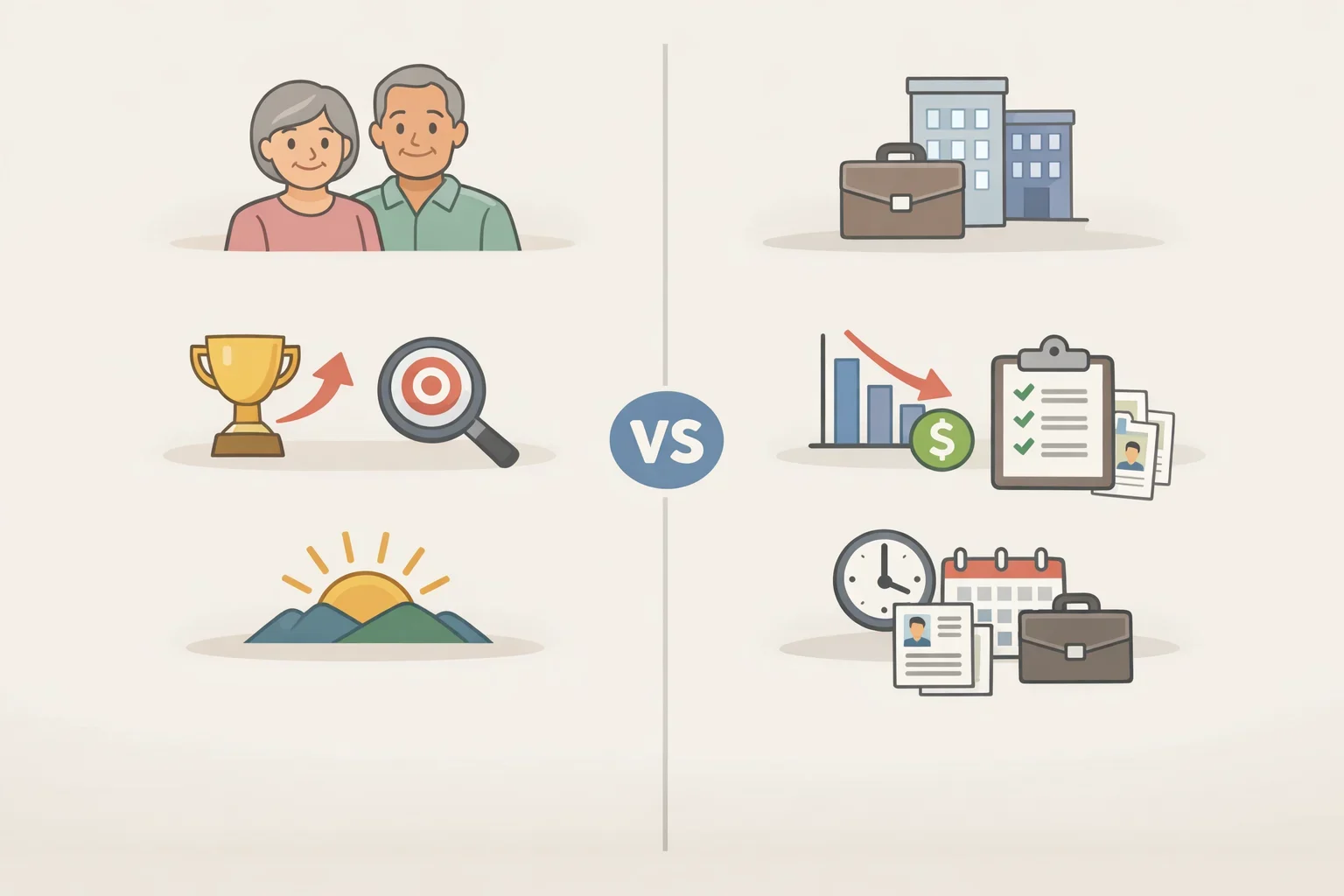
Griggs told Business Insider he wouldn't discourage his children from pursuing consulting; Fast Company's separate report adds that two of his college-aged kids might pursue accounting instead. That's a personal view from someone with direct insight into one Big Four firm's hiring plans, which gives it some weight. It's still one father's read on his own family's options, not a labor-market forecast.
Two hiring facts tend to get mentioned in the same breath, and they describe different things. The 13-office restriction applies specifically to entry-level advisory associates. The target of recruiting a third fewer new graduates applies across the whole firm, by 2028, Fast Company reported. One is a location limit inside a single division. The other is a firm-wide goal. Griggs expects the shift toward fewer accountant and consultant hires to continue as PwC adds more data scientists, engineers, and machine learning experts (Business Insider).
Griggs frames this as opportunity rather than decline. He called AI's effect on the industry "the biggest opportunity we've ever had," he told Business Insider, and Fast Company reported he believes the technology will create demand for more talent and solutions. That's a belief about where the industry is headed, not a settled labor-market outcome, and it's worth reading it that way.
What PwC CEO career advice for college students can and cannot tell you
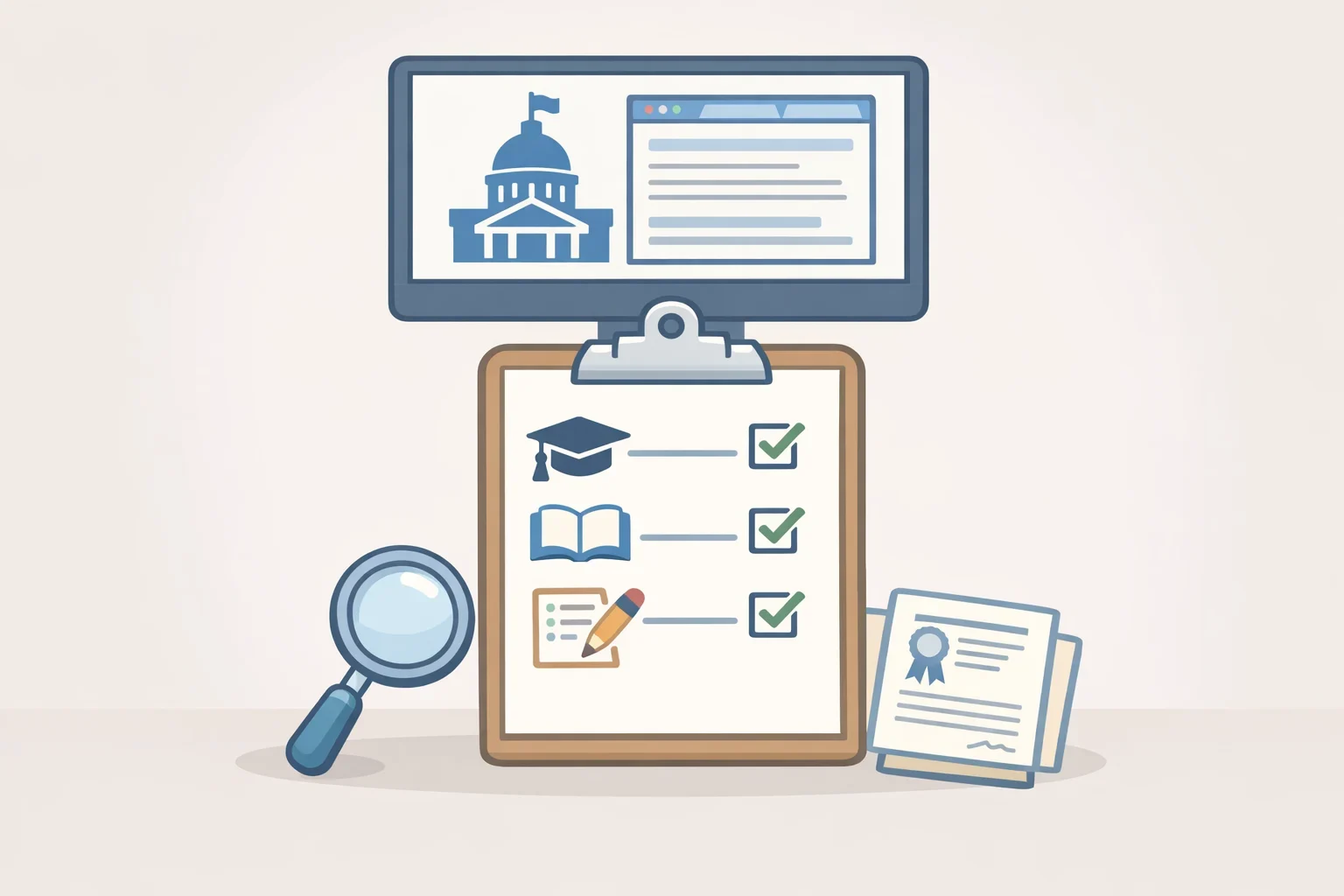
Griggs' comments describe one firm's hiring choices and one executive's outlook, not the accounting or consulting field overall. For a national, employer-independent view, the U.S. Bureau of Labor Statistics' Occupational Outlook Handbook lists accountants and auditors separately from management analysts, the closest federal category to many consulting jobs, with pay and job-growth figures that don't move every time a single employer changes its recruiting plans. Pull both entries directly and compare them against the actual job titles and locations you're considering, since a broad federal category won't capture every title a firm uses.
Licensing is a separate question his comments don't touch. Before finalizing an accounting major, contact the board of accountancy in the state where you plan to work and ask about current CPA education and exam requirements. That's the practical test for anyone weighing whether college students should pursue accounting careers despite PwC's smaller hiring numbers: the licensing path runs through state boards, not through any one firm's headcount. If consulting is the target instead, ask recruiters whether the specific roles you're applying for require any credential beyond a degree.
A different plan for accounting, consulting, and grad-school readers

Griggs' advice applies differently depending on which decision a reader is actually facing. Three groups need three different next steps, not one takeaway about staying broad-minded.
- Choosing an accounting major: Contact the board of accountancy in the state where you plan to work to confirm current CPA education and exam requirements before you finalize coursework. Get that answer from the licensing body itself, not from a hiring headline about any single firm.
- Targeting entry-level consulting: PwC has concentrated its advisory associate hiring into 13 offices. Research which offices and practice areas are actively staffing entry cohorts at the firms on your list, and ask recruiters directly which locations are hiring this cycle instead of assuming every office is open.
- Weighing a master's degree or MBA because entry-level openings look tighter: Griggs calls himself a "big believer" in master's programs because they let students "research and discover" instead of just finishing coursework, Fast Company reported. That's a personal view about curiosity, not evidence that a specific program pays off financially. PwC does plan to keep recruiting from MBA and other master's programs, and it describes partnerships with Harvard Business School and Wharton, including an AI training program co-developed at Wharton, but none of that establishes a program's cost, employment rate, or return on investment, according to Fast Company. Get published employment and salary outcomes from at least two programs and compare the net cost after aid before applying to either.
The traits Griggs says the AI era rewards

PwC says it's hiring more people from nontraditional backgrounds, including liberal arts majors, because the firm sees the AI era rewarding broad knowledge over narrow technical execution, Fast Company reported. That's a stated hiring preference at one firm, not a guarantee that any major lands an offer, but it's specific enough to act on.
Last year, in a LinkedIn post, Griggs argued that empathy and discernment have stopped being optional soft skills and are now essential for every employee, and that performance should be judged by character, judgment, and emotional intelligence rather than task completion alone (Paul Griggs, LinkedIn). He describes the ideal entry-level role as an "AI apprenticeship," where AI handles routine work while people make the judgment calls and get coached rather than just handed tasks (Paul Griggs, LinkedIn).
Turn that into something a resume can show, not just describe. In internships or coursework, look for assignments involving ambiguous client requests, conflicting stakeholder input, or work that crosses departments. A consulting applicant might describe one as "reconciled conflicting budget priorities between two client departments" rather than "assisted with client deliverables." An accounting applicant might write "identified and resolved a discrepancy between two departments' expense reports" rather than "prepared monthly reports." These are examples of framing, not a formula every recruiter expects word for word.
Before accepting any offer, ask the recruiter which AI tools entry-level hires are expected to use, what training exists, which offices or practice groups are actually staffing entry cohorts, and how new hires get coached instead of simply assigned rote tasks.
What to verify before you decide
Griggs' advice establishes what he believes about the profession's direction. It doesn't establish state licensing requirements or whether a specific master's program is worth its price tag, and those details are what will actually shape an individual reader's decision.
Accounting-track students should contact their state board of accountancy now to confirm current CPA education and exam requirements before finalizing a major. Consulting-track applicants should pull current entry-level postings by office and practice area at their target firms and ask recruiters directly which locations are hiring this cycle. Anyone weighing a master's degree should request published employment and salary data from at least two programs, compare the figures carefully since schools often report outcomes differently, and calculate the net cost after aid before submitting an application.
