

- How to Prepare for More Responsibility as an Intern
- What internship task research shows, and its limits
- How to prepare for more responsibility as an intern
- What counts as more responsibility, and what doesn't
- A stage-by-stage approach to building toward a stretch assignment
- If real responsibility isn't materializing
How to Prepare for More Responsibility as an Intern
Interns often assume that responsibility grows automatically if they work hard and wait. The research on how internship tasks actually change over time doesn't support that assumption. A 2024 diary study that tracked 51 business interns task by task found that the mix of assignments barely shifted between the first week of an eight-week placement and the last (Springer).
What the same data does show is a set of specific, requestable conditions tied to whether interns feel they're learning. Anyone working out how to prepare for more responsibility as an intern can use those conditions to frame a concrete request, rather than waiting for a supervisor to notice unprompted.
What internship task research shows, and its limits
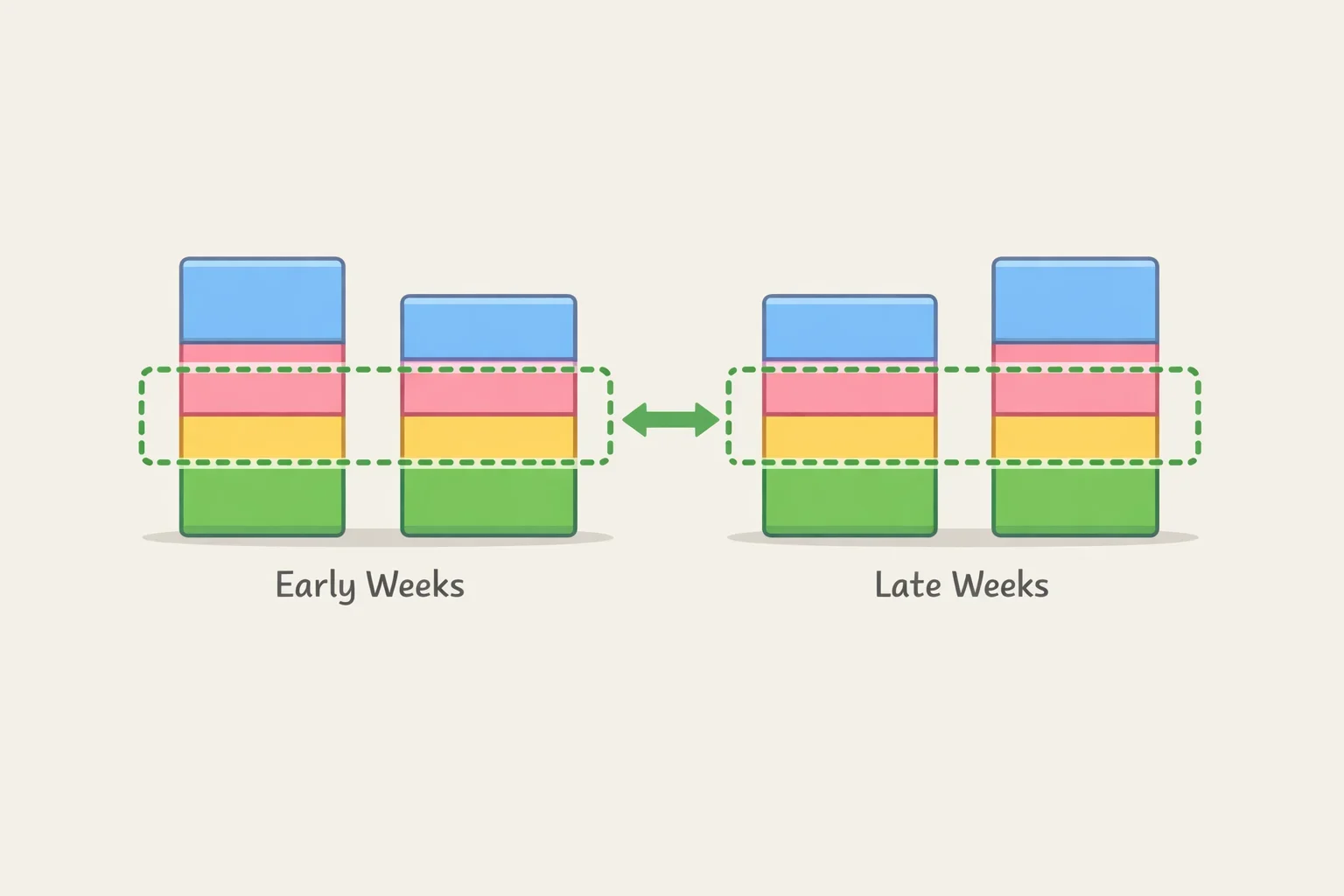
The diary study followed 51 business interns through 1,984 logged tasks, recorded during the first and last week of an eight-week placement. Domain-specific routine and administrative work made up roughly 35% of assignments in both weeks, the single most common category of intern work from start to finish (Springer).
That's a narrow sample. The study covered only 51 students in curriculum-linked placements, during a period affected by the COVID-19 pandemic, and it measured self-perceived learning rather than promotions, return offers, or how much a supervisor actually trusted an intern with real stakes.
A separate study of 435 students across five institutions helps explain why some internships feel more developmental than others. Researchers found that supervisor behaviors, along with factors like first-generation status, sex, race, and income level, were significantly associated with intern satisfaction and development; positive supervision meant clear communication, availability, and feedback, while negative supervision meant the opposite (Journal of Higher Education/NSF). A 2025 mixed-methods study of workplace internships in higher education identified workload pressures and mentoring deficiencies among the challenges it examined (IJFMR).
None of this means slow progress reflects poor effort on the intern's part. It means supervisor and program design shape how developmental an internship feels, often as much as anything the intern does.
How to prepare for more responsibility as an intern
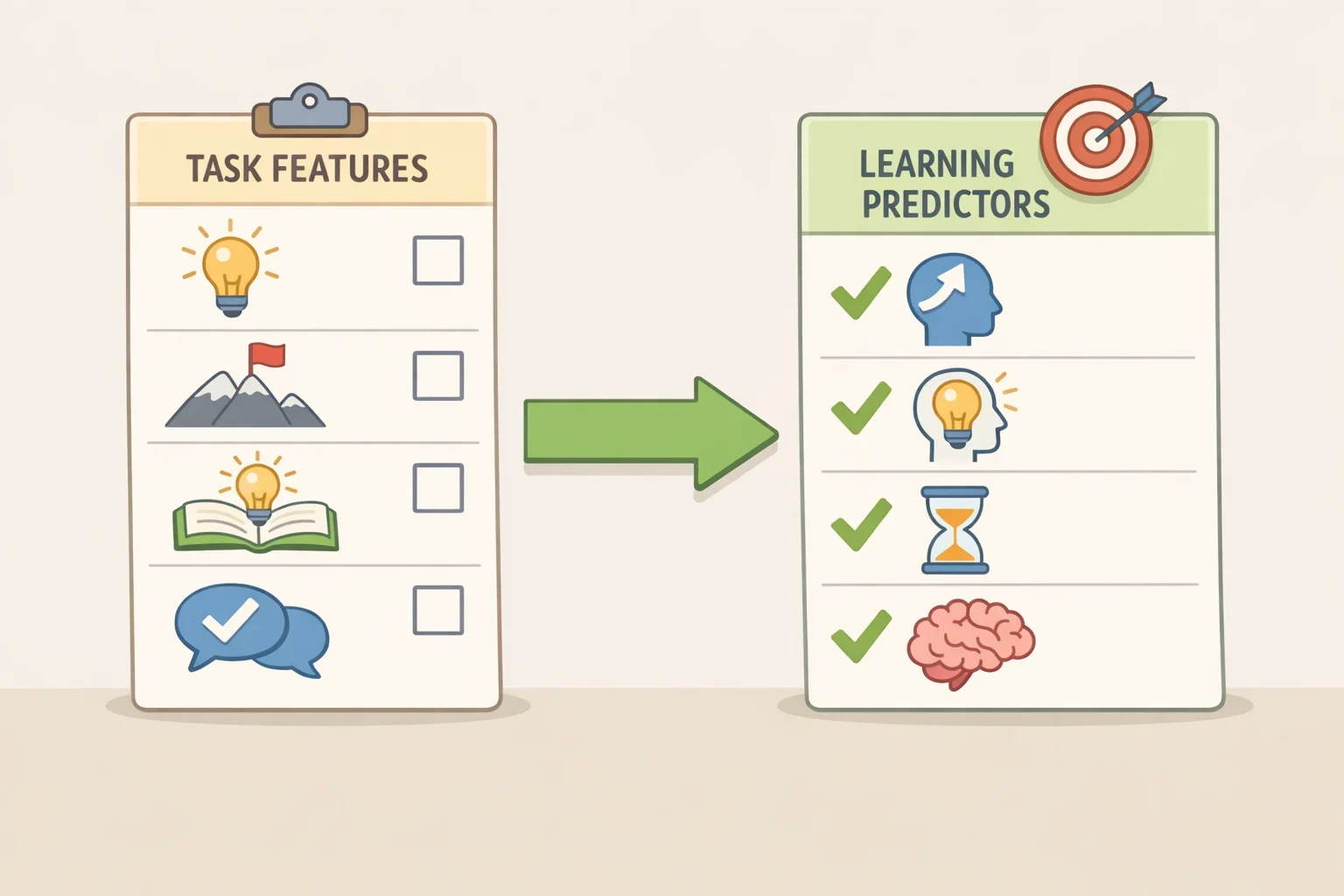
The diary study asked interns to rate six task features for each assignment they logged: novelty, difficulty, whether the task was explained in advance, autonomy, help received, and feedback received. Four of those, novelty, difficulty, advance explanation, and feedback, predicted self-perceived learning consistently in both the first and last weeks of the internship (Springer). Two others mattered differently depending on timing: help from colleagues or supervisors predicted learning in the first week but not the last, while autonomy predicted learning only by the final week.
Together, these task characteristics explained 32% of the variation in perceived learning in the first week and 33% in the last (Springer). That leaves roughly two-thirds of the variation unaccounted for, and the outcome the study measured was students' own sense of learning, not an objective measure of performance, trust, or promotion readiness.
Feedback is worth asking for directly, since it doesn't reliably show up on its own. Only 62% of U.S. workers say they receive timely feedback from their manager, according to workplace survey data from a few years ago (SHRM). Interns should plan to request feedback rather than assume it will arrive unprompted.
Based on what the study measured, a stretch-task request built around those same conditions gives a supervisor a clearer reason to say yes than a vague appeal to initiative would. Asking for something moderately new or challenging, asking how success will be judged, and proposing a feedback checkpoint mirrors the factors linked to learning in the research, even though the study itself never tested whether making such a request changes what an intern actually gets assigned.
What counts as more responsibility, and what doesn't
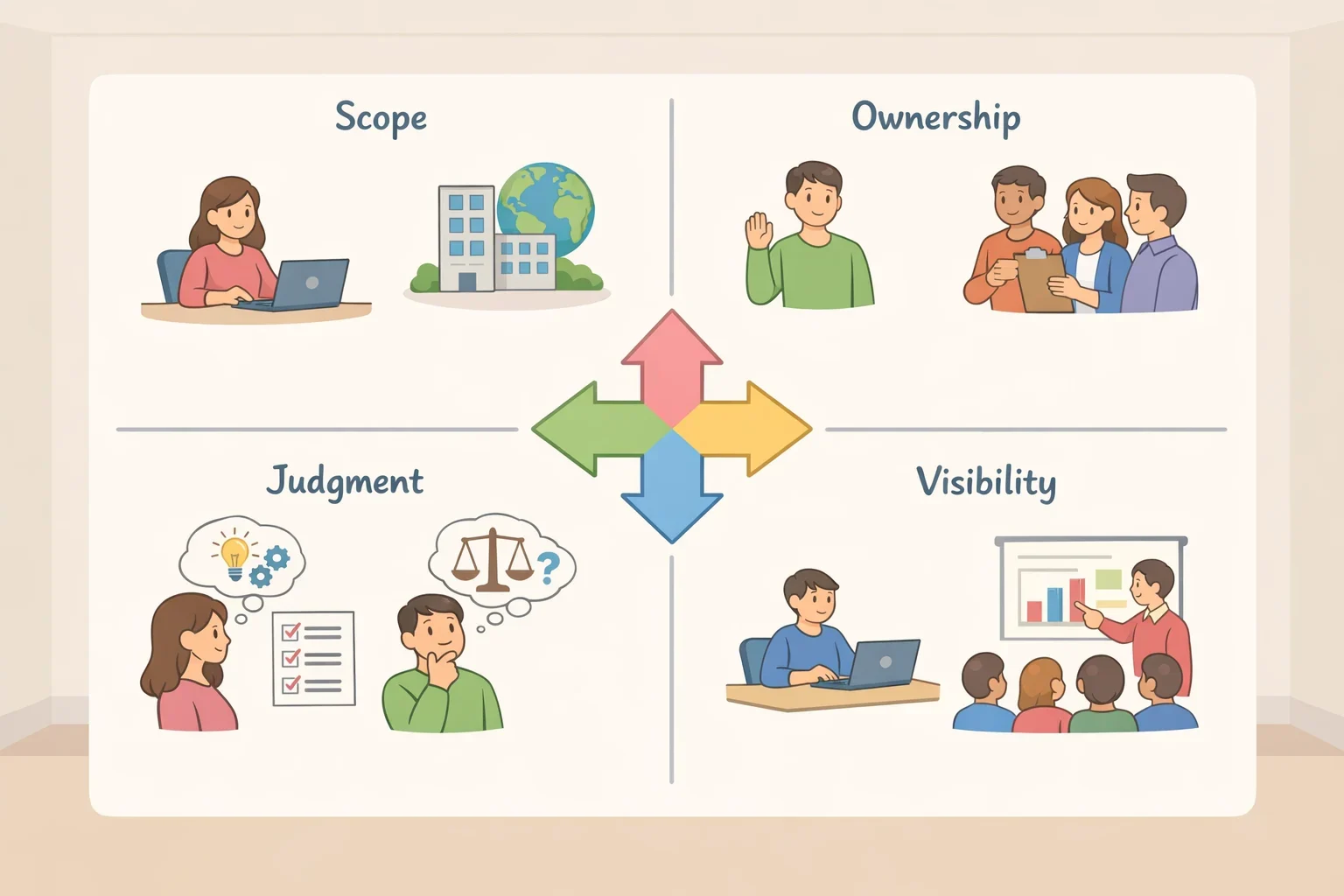
Doing more of the same task may increase workload without adding the novelty or challenge the diary study measured, since repetition alone doesn't change what a task asks of an intern. Responsibility tends to increase along four dimensions instead: scope (how much of a project someone owns), ownership (whether work is reviewed before or after it's finished), judgment (how many decisions rest with the intern rather than a supervisor), and visibility (who sees and relies on the finished product). A familiar task can turn into a real stretch assignment if any one of those shifts, even without a brand-new task showing up.
A few examples of what that shift can look like:
- Owning the first draft of a document instead of only editing or formatting one (an ownership shift)
- Presenting a finding to a colleague or small group instead of passing it along in writing (a visibility shift)
- Managing one discrete step of a larger project, with a defined start and end point (a scope shift)
- Shadowing a higher-stakes process, like a client call or budget review, before taking ownership of it (a preview of judgment and visibility, without full authority yet)
What's realistic still varies by industry and employer. A marketing intern may draft client-facing copy earlier than a finance intern is handed anything involving live numbers. Supervisor bandwidth matters too: a manager juggling several reports has less time to scaffold a new task carefully. Access to confidential information may also limit which assignments an intern can take on under employer policies. As a practical matter, demonstrated competence on smaller tasks can factor into how willing a supervisor is to hand over something bigger, so a request is best sized to what has already gone well, not to how many weeks have passed.
A stage-by-stage approach to building toward a stretch assignment
Early in a placement, asking clarifying questions and requesting help fits the pattern the diary study found: help from colleagues or supervisors was a significant predictor of learning in the first week specifically, so leaning on others early doesn't run counter to development, even if it feels less impressive than figuring things out alone (Springer).
By the midpoint, delivering assigned work reliably and asking for specific feedback on one deliverable, then showing what changed in the next version, builds a visible feedback loop. That loop reflects the same feedback-and-explanation conditions the study associates with learning, and it gives a supervisor evidence to consider when evaluating a larger assignment later on.
Later in the internship, proposing a scoped stretch task with a defined deliverable and a check-in point applies those same conditions directly: "After completing the last two reports independently, could I take ownership of the first draft of the next one? I would confirm the approach with you on Tuesday and send it for review by Friday." That kind of request builds in explanation and a feedback opportunity, though the study itself did not test scripts, deadlines, or review points as such.
Structured programs show what this can look like with institutional backing. NACE's account of the University of Connecticut's Work+ pilot, published in August 2025, describes a program that added one hour of paid monthly professional development, delivered through Blackboard, plus resources for supervisors and regular check-ins, to on-campus student employment reaching more than 200 student employees and 40 supervisors (NACE). That paid development applied specifically to Work+ student employees, not to interns in general. "Regular check-ins with supervisors ensure consistent implementation and address challenges, fostering a culture of mentorship and collaboration," says Eran Peterson, UConn's associate director for Work+, describing the pilot's use of regular supervisor check-ins.
Reported outcomes from the pilot included a 67% increase in students' comfort seeking help from supervisors and a 26% increase in supervisors' interest in students' career goals (NACE). NACE's account doesn't spell out the comparison method, the sample size behind each outcome measure, or a pre-pilot baseline, so those figures describe the full program package, paid modules and supervisor resources included, rather than check-ins on their own. An intern working without that kind of institutional structure shouldn't expect a single request to reproduce those numbers.
If real responsibility isn't materializing
Sometimes a well-framed request still goes nowhere. The five-institution study found that supervisor availability and attentiveness to learning, not intern initiative alone, were tied to whether an internship felt developmental (Journal of Higher Education/NSF). A stalled internship can reflect program design as much as anything the intern has or hasn't done.
If a stretch-task request stalls, a handful of moves can still help:
- Ask the supervisor to name one or two specific learning goals for the remaining weeks
- Request shadowing or exposure to an adjacent process if full ownership isn't available yet
- Keep a running record of completed work and skills gained, useful for a final review, a return-offer conversation, or a future resume
None of that guarantees the internship changes shape, but each step gives the intern something concrete to point to later.
If check-ins, feedback, or basic guidance are consistently missing, involving a school's internship coordinator or career-services office is a reasonable next move. NACE reports a 51% improvement in supervisors fostering a positive work environment during the UConn pilot (NACE). The supplied account doesn't isolate which program component, training, check-ins, or resources, produced that change, so the figure describes the pilot as a whole rather than any single intervention an intern could arrange alone.
Before the next scheduled check-in, draft one stretch-task request using the format above: name the task, the deadline, and the review point. If no check-in or learning goal currently exists, raise that gap with an internship coordinator or campus career center this week.
