

- How to Prepare for a Skip-Level Meeting With Leadership
- Skip-level meeting preparation: confirm the purpose first
- What to say in a skip-level meeting: matching prep to purpose
- Skip-level conversation questions you're likely to hear
- Questions to ask when talking to senior leadership
- Raising concerns constructively, and what you don't control
- What to do next
How to Prepare for a Skip-Level Meeting With Leadership
If your manager's manager has asked you to sit down for a conversation, you're stepping into something called a skip-level meeting: a conversation between an employee and someone above their direct supervisor. Knowing how to prepare for a skip-level meeting starts with understanding what the research actually covers, because it's narrower than you might expect. A 2025 qualitative study of 25 first-level engineering managers at U.S. technology companies found skip-level meetings were widely adopted in that sector, more so than in other industries, and generally well received by the managers whose teams took part (ECMLG, 2025).
That study looked at how it felt for those managers to be bypassed, not at what employees attending the meetings should do to get ready. Many organizations also fold skip-level conversations into broader "listening tours," a practice senior leaders use when starting new roles, taking on new teams, or responding to business change (SHRM, 2024). Other skip-levels function more like career check-ins. Because the format varies so much by employer, the real first step in preparing is figuring out which kind of meeting you've been invited to.
Skip-level meeting preparation: confirm the purpose first
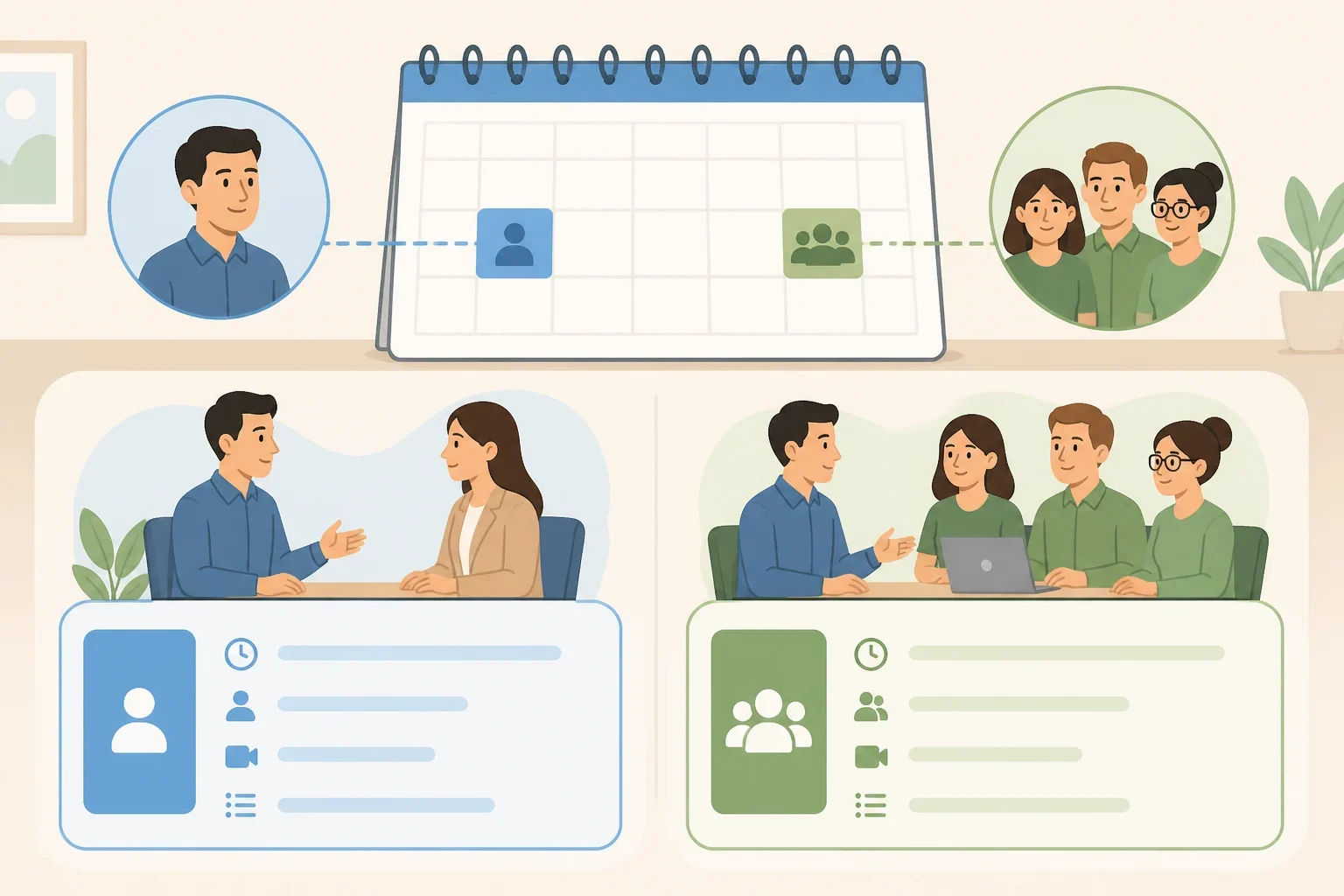
A skip-level meeting usually takes one of two shapes: a private one-on-one, which typically excludes your direct manager, or a multiteam session, which typically includes them (ECMLG, 2025). Which format you land in may reflect a deliberate choice by the organization, though the study didn't test why leaders pick one over the other.
Purpose also varies by employer. Some leaders run skip-levels as part of a structured listening tour built around what's working, what could improve, and what's missing. Katherine Loranger, chief people officer at Safeguard Global, told SHRM that "the purpose of the tour drives the agenda," meaning the same meeting title can carry very different expectations depending on what prompted it (SHRM, 2024). Others are framed around your career, and some are simply routine check-ins; none of that is documented as a universal skip-level norm, so it's worth confirming rather than assuming.
Before preparing anything else, ask your manager or HR why the meeting is happening, who else is attending, and whether it's a one-time session or a recurring practice. That answer determines which approach below actually applies to you.
What to say in a skip-level meeting: matching prep to purpose
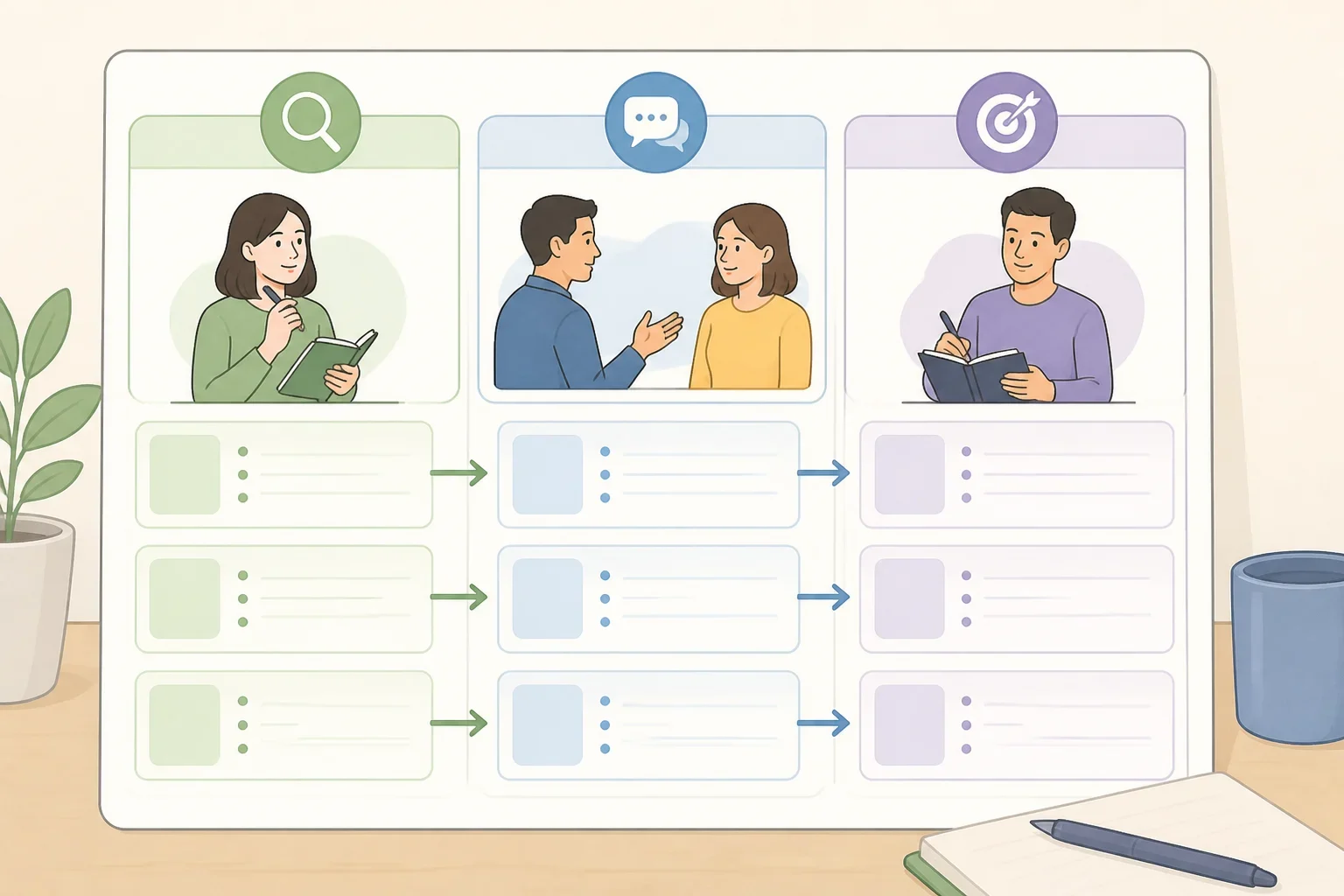
If the meeting sounds like a listening tour or feedback session, come with one or two specific, verifiable observations about your team's workflow or obstacles rather than broad complaints. Leaders who run these tours say they're looking for concrete themes, not generalities, so a precise example lands better than a vague frustration (SHRM, 2024).
If it sounds like a career conversation, one useful model comes from the University of Arizona, where employees document accomplishments, strengths, and a future goal tied to the organization's mission before the meeting. That's one employer's framework, not a universal standard, but the structure (accomplishments, strengths, a goal) translates well to a skip-level setting (SHRM, 2022).
If your skip-level is routine or recurring, a short, consistent update tends to work better than a single polished pitch: current work, one measurable result, and a specific blocker or question. That's practical advice rather than a documented finding, but it keeps a recurring meeting from feeling like you're improvising each time. A handful of prepared talking points, enough to cover a couple of minutes if you're asked for an update, is usually plenty; there's no fixed standard for how long that update should run.
Skip-level conversation questions you're likely to hear
Career-focused conversations tend to follow a fairly consistent pattern. At Kizen, a business intelligence software company, CEO John Winner described questions employees are asked, including which projects they've enjoyed recently, which strengths feel underused, what growth means to them, and what role or project they want next (SHRM, 2022). That's one company's framework rather than a universal skip-level script, but it's a reasonable set of prompts to expect if your meeting leans career-focused.
Kizen also sends these questions to employees in advance and tells them a polished answer isn't required, which can take some pressure off going in (SHRM, 2022). If your meeting is closer to a listening tour, expect more open-ended prompts about what's working, what could improve, and what's missing, a framing Rising Team CEO Jennifer Dulski uses when describing how these sessions are structured, rather than a rigid list of questions (SHRM, 2024).
Either way, jot down brief, honest answers to two or three likely prompts beforehand. You don't want to be inventing a career goal or a team observation on the spot.
Questions to ask when talking to senior leadership
A skip-level is also a chance to ask your own questions, and having one or two ready keeps a short meeting focused. On the organizational side, consider asking about team priorities, upcoming changes, or which skills will matter most going forward, questions that mirror the "what's working, what's improving, what's missing" frame leaders use on listening tours (SHRM, 2024).
On the career side, Kizen's framework points to questions about what growth paths exist, whether mentorship or networking introductions are available, and how the leader can support a specific goal (SHRM, 2022). Pick one organizational question and one career question ahead of time rather than improvising in the room. It shows preparation without eating up the whole meeting.
Raising concerns constructively, and what you don't control
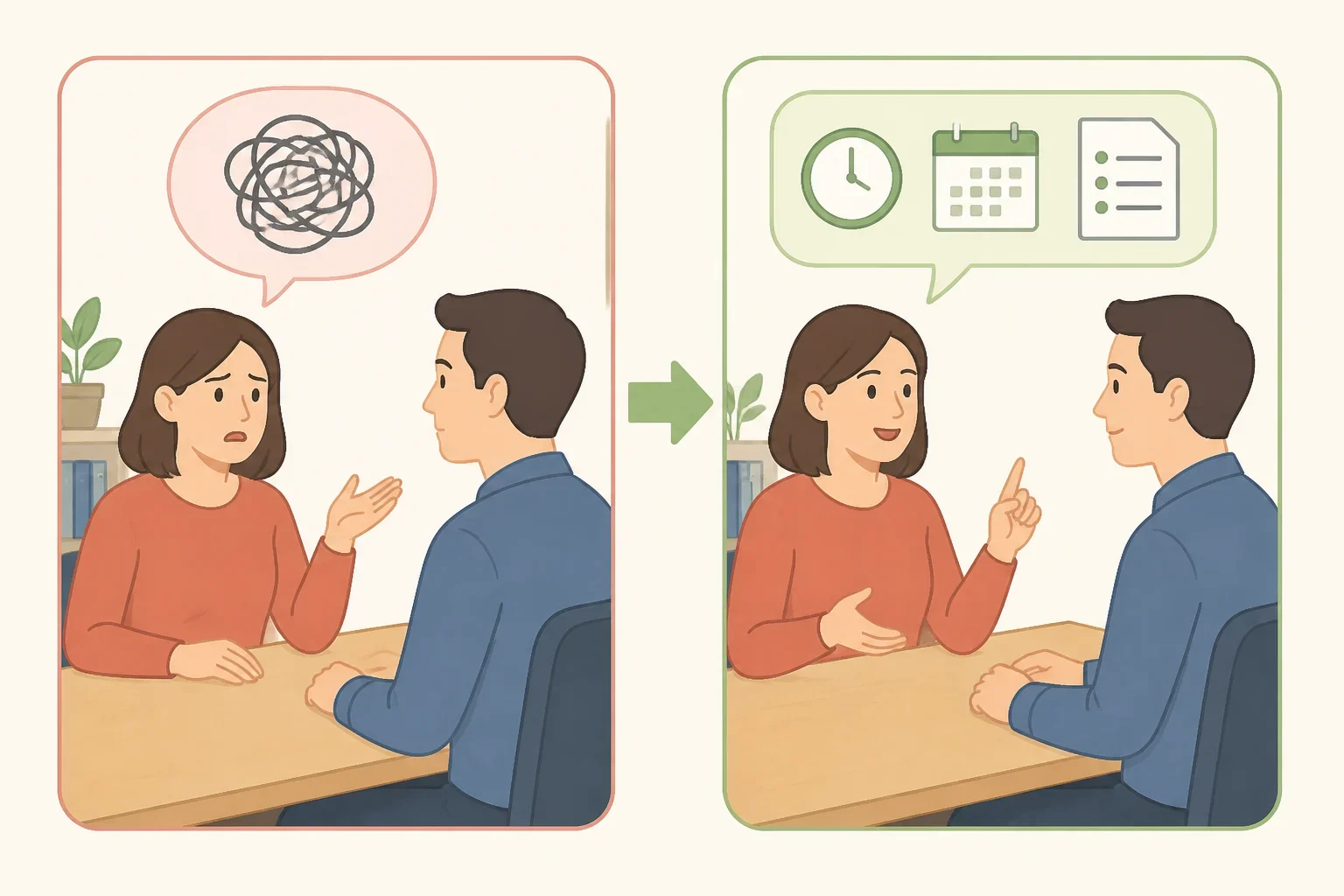
If you plan to raise a problem, specificity helps more than a general complaint does. A simple structure works: state a specific, verifiable observation, describe its impact, then offer a possible fix.
Compare "nobody listens to our team" with "our team's last three projects were delayed by a one-week approval bottleneck; could that step be reviewed?" The second version isn't a real case study, just an example of the pattern, but it gives a leader something concrete to act on rather than a feeling to interpret.
Structured one-on-one conversations do appear to help employees feel more comfortable speaking up. A randomized trial of roughly 7,000 employees across 1,000 teams at Sandoz, a division of Novartis, found that guided one-on-one meetings increased psychological safety at the team level (MIT Sloan Review, 2023). That trial measured psychological safety broadly rather than skip-level meetings specifically, so it's adjacent context rather than direct proof, but it supports the general idea that structure helps people raise concerns.
Don't assume confidentiality by default. The 2025 engineering-manager study found that managers excluded from skip-level meetings reported more concerns about misalignment with their teams, concerns that largely disappeared once the manager was looped in on follow-up afterward (ECMLG, 2025). That finding is about managers' experience, not a guarantee about how your own comments will be handled, but it's a reasonable basis for asking directly how your input will be recorded, whether themes get shared with your manager, and what happens next. Asking before you speak candidly is a way to understand how your words might travel, not an awkward imposition.
What to do next
Treat the guidance above as a starting framework rather than a fixed script. The clearest research on skip-levels so far comes from a small, exploratory sample of U.S. tech managers, and your own employer's culture and format may look different. Organizations that take these conversations seriously tend to close the loop afterward: SHRM points to Adecco's 90-day listening tour, which reshaped a planned reorganization after leadership heard directly from employees, as one example of what that follow-through can look like (SHRM, 2024).
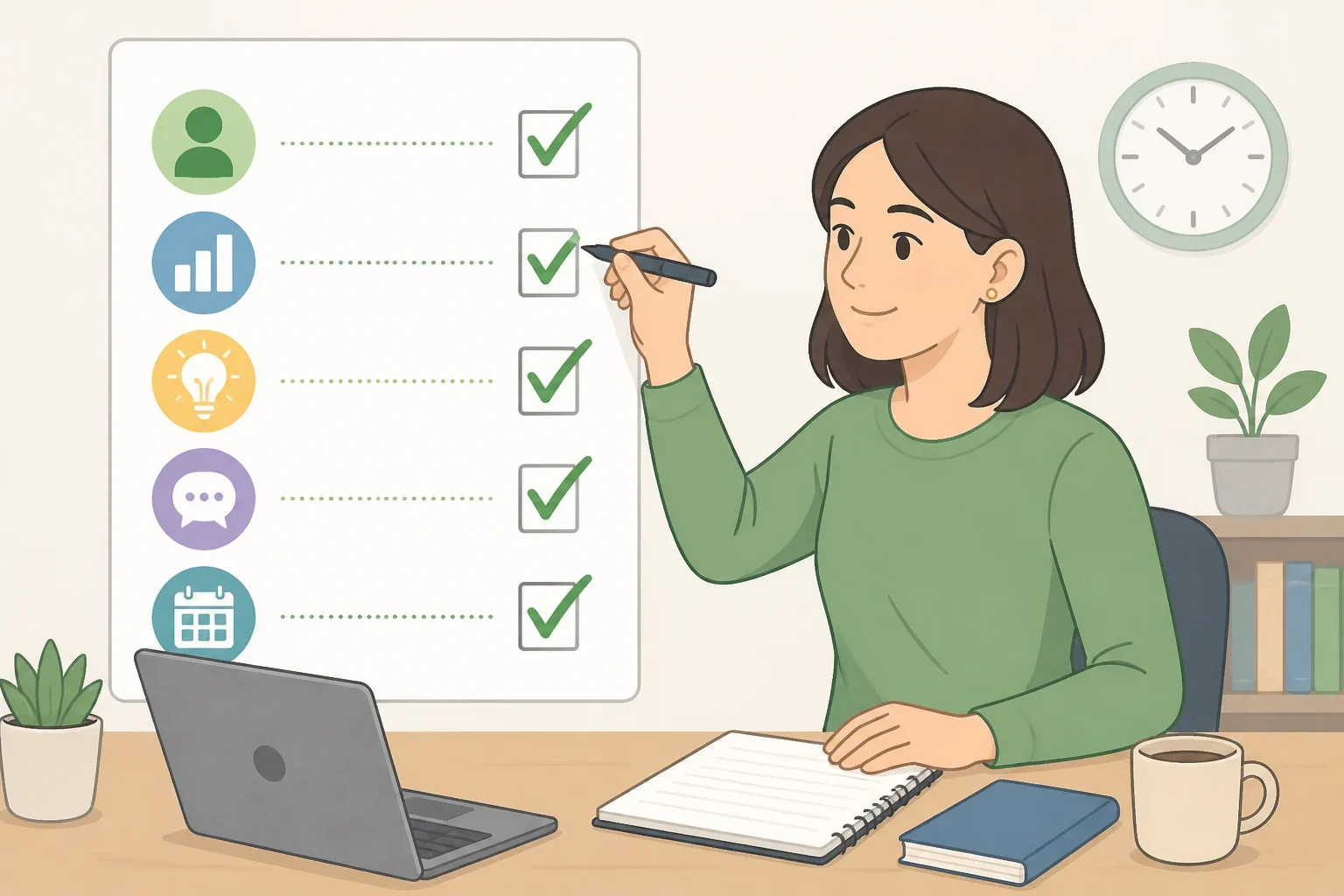
Before your next skip-level, work through a short checklist:
- Confirm the meeting's purpose, format, and attendees with your manager or HR.
- Prepare a brief update matched to that purpose, whether that's accomplishments and a goal, a team observation, or a progress check-in.
- Choose one organizational question and one career question in advance.
- Ask how notes, confidentiality, and manager follow-up will be handled before you share anything sensitive.
If the purpose or the follow-up process still isn't clear after that conversation, ask again rather than guessing. A five-minute clarifying question beforehand is a lot less awkward than finding out after the fact how your comments were used.
