
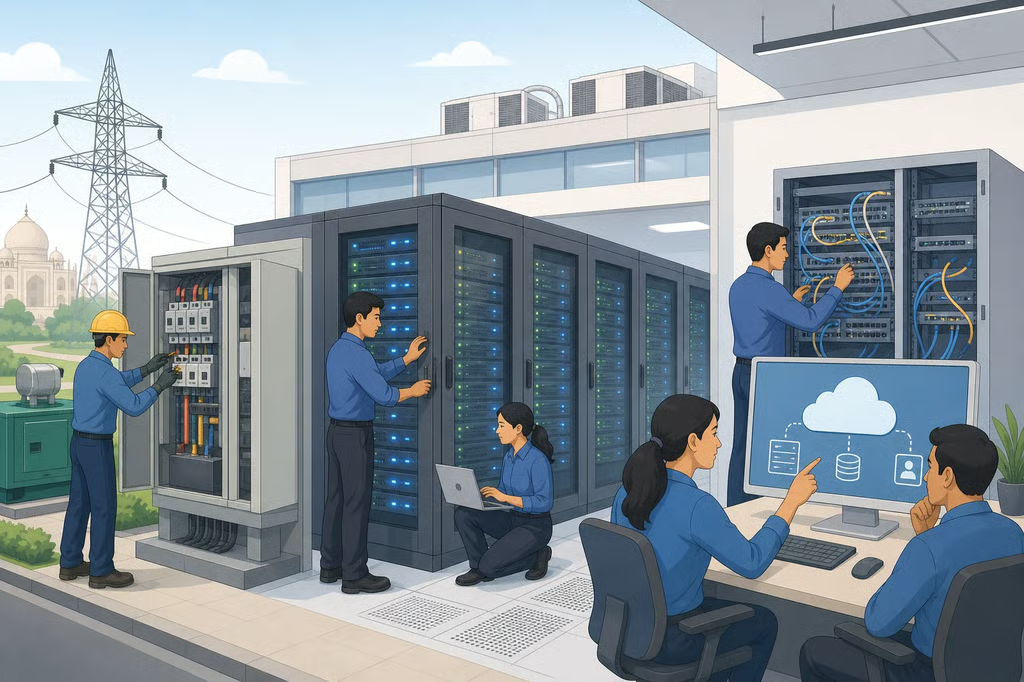
Data centre jobs in India: Skills, locations, hiring outlook
India’s data-centre capacity is projected to expand sharply over the next few years, but the available research does not yet support a matching forecast for job creation. That distinction matters for anyone exploring data centre jobs in India. More facilities can create demand for construction, engineering, operations and technology skills, but capacity figures alone do not show how many permanent roles will be available.
JLL projected last year that India’s capacity could rise 77% to about 1.8 gigawatts by 2027. A report by India Ratings, summarized by IBEF, projected investment of Rs. 1.6 lakh crore to Rs. 2 lakh crore over the next five to seven years. These figures point to an expanding industry, not a guaranteed hiring boom. The potential opportunities apply to electrical and mechanical facilities workers, technicians, network and cloud professionals, construction specialists, and people moving into infrastructure-focused careers.
Why India’s data-centre sector is expanding
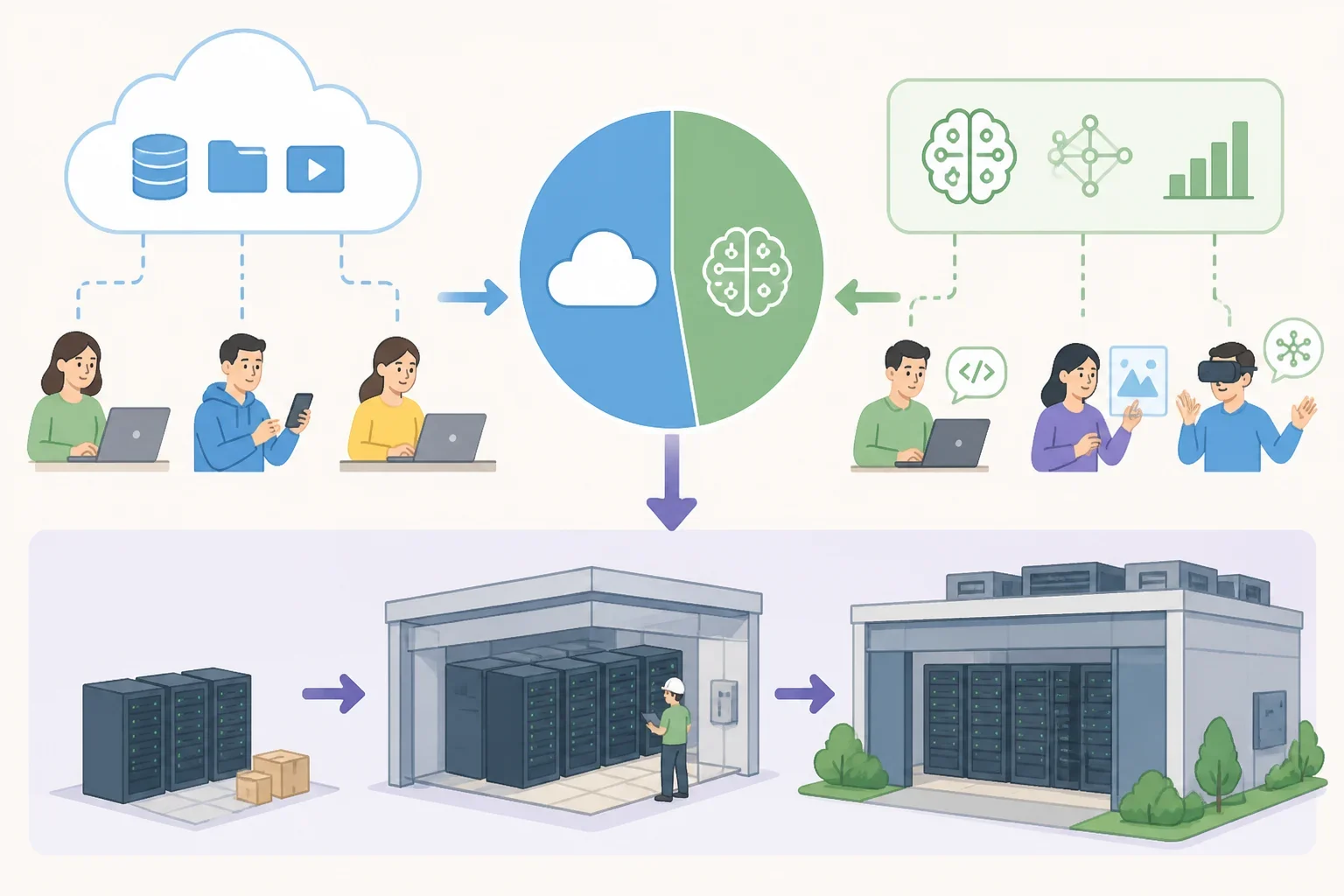
The growth is being driven by demand for cloud services, artificial intelligence workloads and digital infrastructure. JLL reported last year that cloud service providers represented 54% of user demand toward the end of 2024, while the banking, financial services and insurance sector accounted for 18% of occupancy and the technology sector for 12%.
Those figures describe customer demand and facility use, not employment. They do, however, help explain why operators and developers are planning additional capacity. Cloud providers had pre-committed or reserved 800 megawatts for AI workloads, according to JLL last year. India Ratings, in a report summarized by IBEF last year, said AI-related workloads are expected to require more expensive cooling and technology systems.
The capital mix also offers a clue about the kinds of work involved. India Ratings reported that real estate represented 20% of data-centre capital expenditure, with the balance spent on mechanical engineering and related works, according to IBEF last year. That does not amount to a hiring forecast, but it suggests that the build-out may require more than software specialists. Power systems, cooling, equipment installation, maintenance and project delivery are central to getting a facility built and running.
Job seekers can use this distinction when researching employers. A cloud provider, colocation operator, engineering, procurement and construction contractor, and facilities-services company may all participate in the same project while hiring for very different work.
Data centre jobs and skills in demand in India
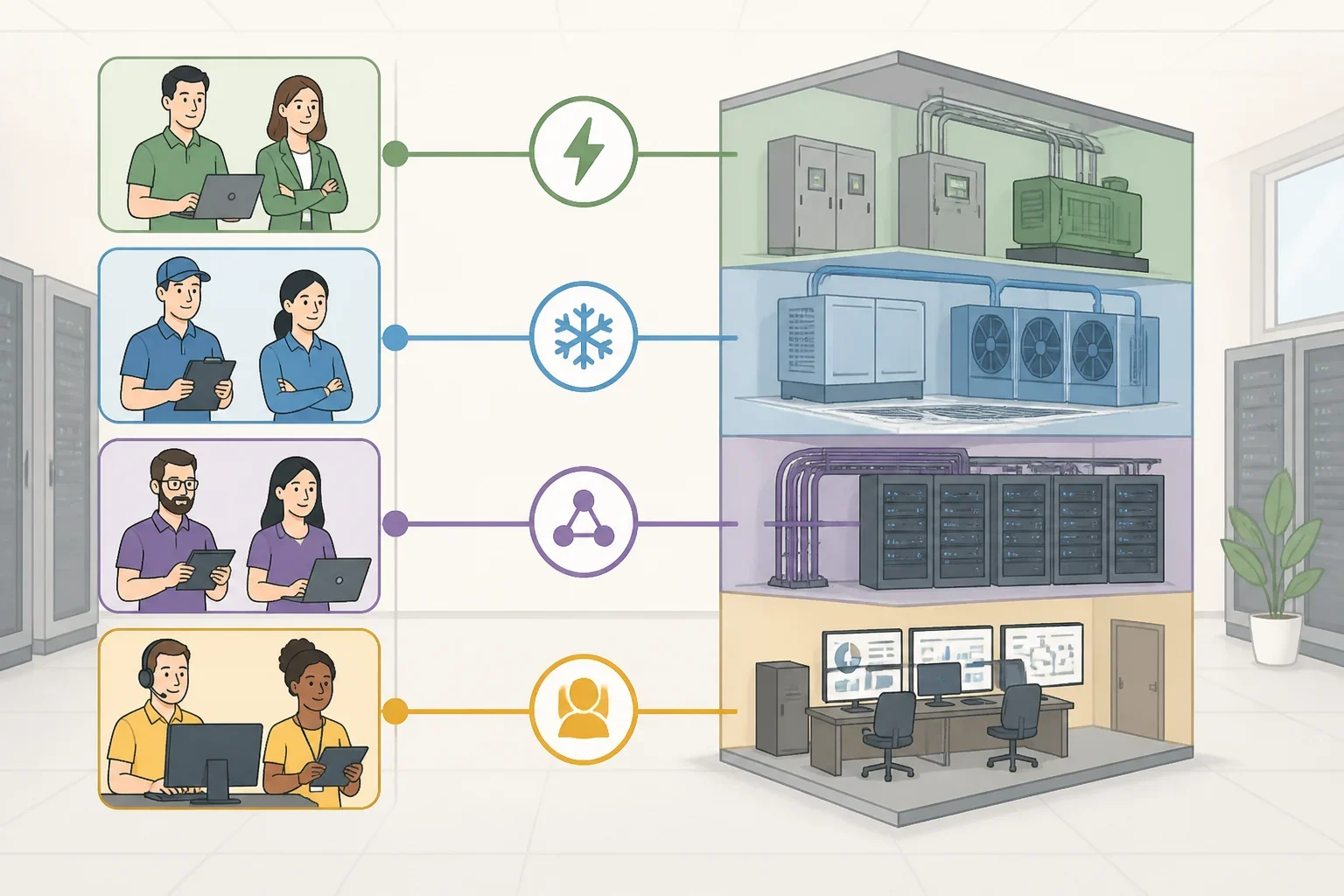
India-specific vacancy and job-count data remains limited. For that reason, the most useful approach is to think in job families rather than assume that every new megawatt creates a large number of openings.
Potential role categories include:
- electrical or mechanical facilities engineering
- cooling, power and backup-system operations
- network operations and connectivity support
- cybersecurity and infrastructure monitoring
- cloud-infrastructure support
- construction project management
- equipment maintenance and site operations
These are examples of work connected to the sector’s infrastructure needs, not a list of occupations that every employer must hire. Deloitte’s framework, summarized by IBEF last year, identifies six requirements for an AI data-centre ecosystem: real estate, power and utilities, connectivity, compute infrastructure, skilled talent and policy. The role categories above are a practical interpretation of those requirements, not a Deloitte forecast of Indian vacancies.
The type and duration of employment can also differ. Construction project management, equipment installation and commissioning may be linked to a specific build. Facilities engineering, maintenance, network operations and cloud infrastructure may continue after the site becomes operational. A job seeker comparing listings should ask whether the position is permanent, project-based, outsourced or tied to a particular construction phase.
A Brookings study published four months ago provides useful context, but it examines the United States, not India. The researchers assembled data on approximately 1,500 U.S. facilities, along with 52 announced but canceled projects, and linked those sites to county-level employment and wage data covering 2003 to 2024, according to Brookings four months ago.
The study found that a U.S. labor market receiving its first large data centre saw data-processing employment rise 56% over the first decade of operations. Telecommunications employment rose 43%, and a typical treated county gained roughly 100 to 200 jobs, depending on facility type, according to Brookings four months ago. The study also found that wages were unchanged.
Those results cannot be transferred directly to India. They are useful for a narrower reason: a large infrastructure project does not automatically produce large-scale, long-term employment across the local economy. Brookings found data-processing growth around both hyperscale and colocation facilities, while telecommunications gains were associated with hyperscale counties. That suggests job seekers should investigate the facility model, not treat every data-centre project as the same employment opportunity.
Where the India data centre job market is concentrated
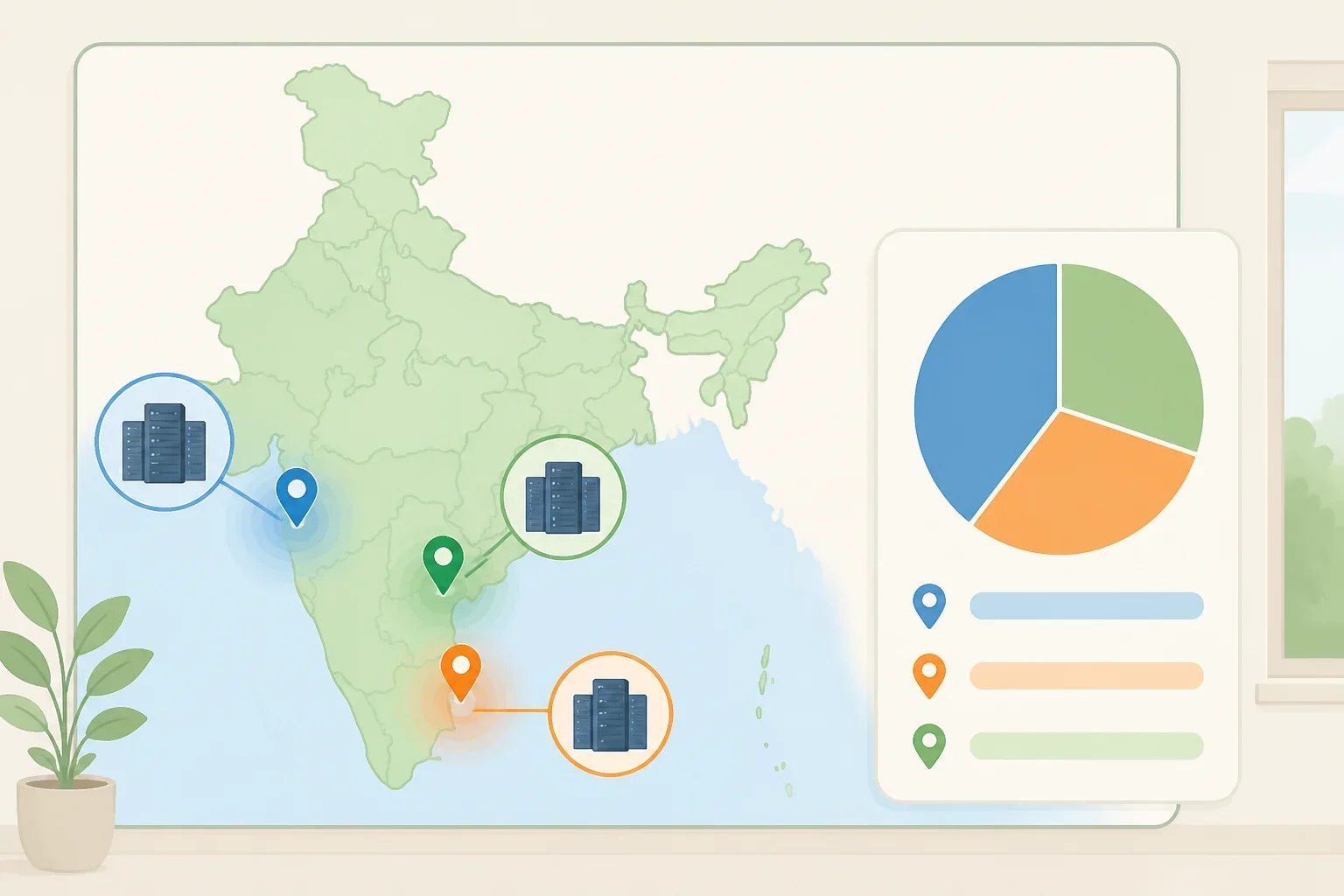
Location remains one of the clearest practical considerations. Mumbai and Chennai hold nearly two-thirds of India’s data-centre capacity in a Colliers assessment summarized by IBEF last year. Colliers placed Mumbai at 41% and Chennai at 23%, while JLL’s measurement placed Mumbai at 52% and Chennai at 21%, according to JLL last year.
The difference does not necessarily indicate a contradiction. The reports may use different measurement dates, definitions or capacity bases. The shared point is that Mumbai and Chennai are established centres of activity, making them logical places to search for construction, facilities and operations roles.
Hyderabad is also becoming more significant. Colliers projected that Mumbai and Hyderabad could each add between 1,000 MW and 1,200 MW of capacity from 2025 to 2030, according to IBEF last year. That is a capacity projection, not a job-creation estimate, but it may give Hyderabad greater relevance for candidates willing to relocate.
The same Colliers report said India’s capacity could exceed 4.5 GW by 2030 and that the sector’s projected real-estate footprint could reach nearly 55 million square feet, according to IBEF last year. The square-foot figure describes physical infrastructure, not employment capacity.
Candidates can compare the mature Mumbai and Chennai markets with Hyderabad’s expanding pipeline. Company career pages, contractor listings and location-specific job boards are more useful than national industry totals when checking whether a role is actually available.
What could limit data centre workforce demand
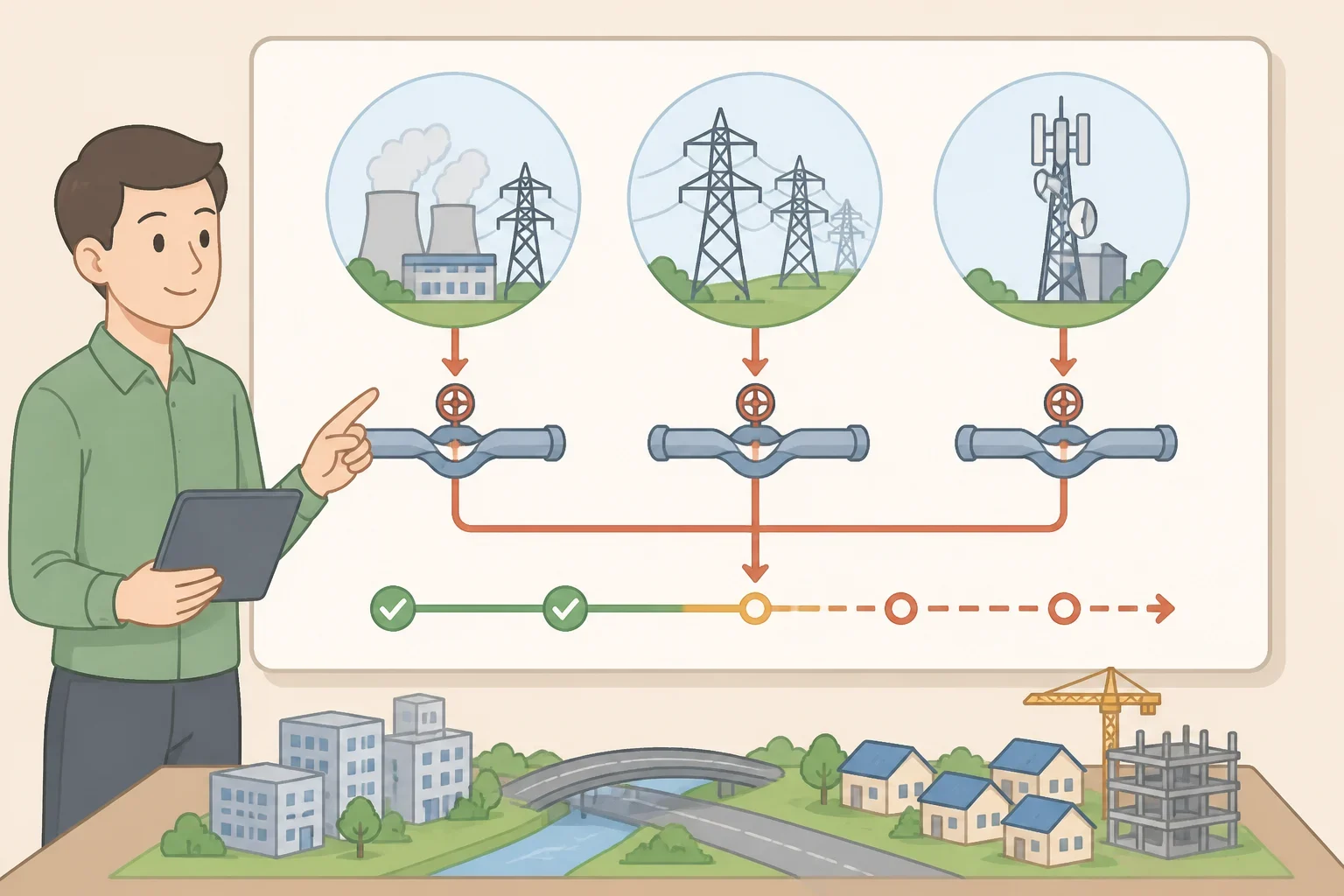
Projects can be delayed or reshaped by infrastructure constraints. Deloitte estimated last year that India may need an additional 45 million to 50 million square feet of real estate and 40 to 45 TWh of power by 2030 to support AI data centres, according to IBEF last year. Deloitte also cautioned that rapid growth could strain the power grid.
India Ratings identified timely expansion of power distribution infrastructure as critical to large data-centre parks. Its report, summarized by IBEF last year, said fresh capacity announcements totaled 7.1 GW, with nearly 60% still at early stages. That included 1.3 GW under execution and 1.6 GW in planning. Announced capacity therefore should not be treated as confirmed construction, and construction should not be treated as confirmed hiring.
Connectivity is another constraint. Deloitte identified low fibre penetration in rural areas and inconsistent high-speed internet as continuing bottlenecks, according to IBEF last year. These issues could delay projects and defer related hiring, although the research does not quantify that effect.
Before moving for a role or paying for training based on a proposed facility, job seekers can check whether the project is planned, permitted, under execution or operational. Company announcements and credible industry reporting can help establish that stage.
A practical way to assess data centre opportunities
Start by identifying the employer’s role in the project. A hyperscaler may focus on cloud and computing infrastructure. A colocation operator may need facilities and customer-support teams. An EPC contractor may hire around construction, commissioning and project delivery, while a facilities-services provider may recruit for maintenance and site operations.
Next, compare the vacancy with current skills. Candidates with electrical or mechanical experience can look for facilities and cooling-system requirements. Network professionals can examine connectivity and monitoring duties. Cloud and cybersecurity candidates should separate infrastructure operations from general IT support. Career changers may find construction coordination, equipment maintenance or technical operations roles closer to their existing experience than highly specialized cloud positions.
Finally, ask what happens after the build is complete. A project-based role may end after commissioning, while an operations position may continue at the live facility. That single question can change how a job seeker evaluates location, training and long-term prospects.
India’s data-centre expansion creates a direction worth watching, but it does not guarantee a specific number of data centre jobs in India. The strongest next step is to track active projects in Mumbai, Chennai and Hyderabad, identify the employer category, and verify the role’s duration and required skills before making a career decision.
