
Black unemployment rate rise: what federal data shows
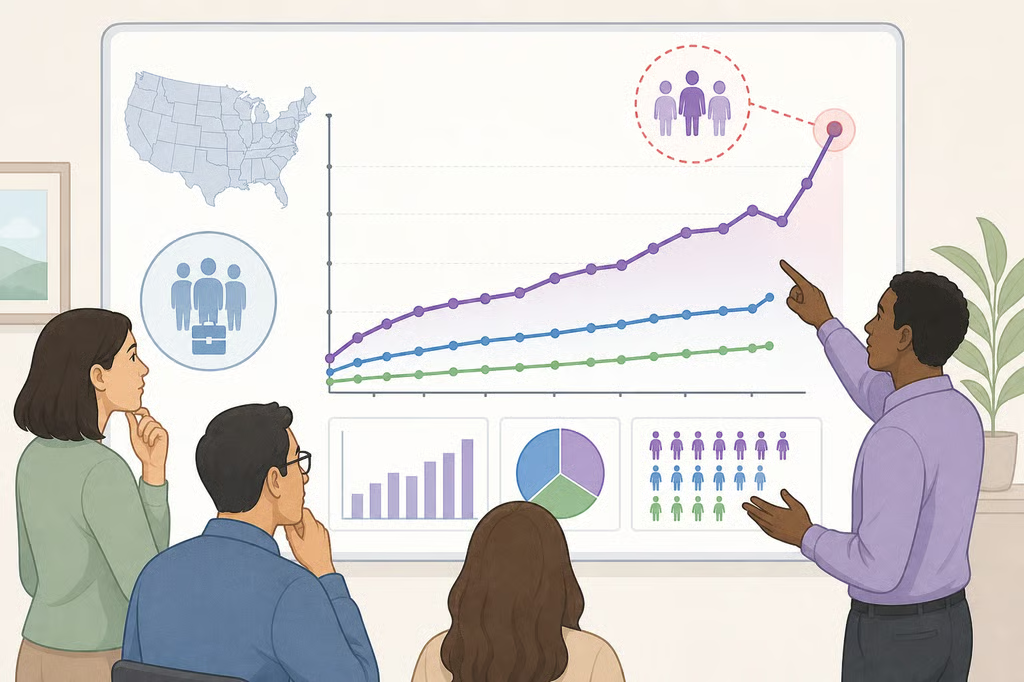
A reported rise in the Black unemployment rate has drawn attention, but the federal releases reviewed for this article do not establish that Black unemployment reached its fastest pace of increase since the Covid-19 pandemic. The available data confirm an all-ages Black unemployment rate of 6.4% in November 2024 and a Black youth unemployment rate of 12.0% in July 2026. They do not provide a continuous, current series for Black workers of all ages that would verify the broader claim.
A CNN report attributed the “fastest pace since the Covid-19 pandemic” wording to Black unemployment. The materials available for review do not include the report’s publication date, direct URL, or the exact comparison used. “Fastest pace” could refer to a monthly increase, a year-over-year change, or another measure. Until the current race-specific federal series is checked, the claim remains reported rather than confirmed.
That distinction matters for job seekers. A headline about Black unemployment may describe a real labor-market concern, but it does not tell every worker whether to change occupations, widen a search, delay an application, or focus on a different location.
What the Black unemployment rate data can confirm
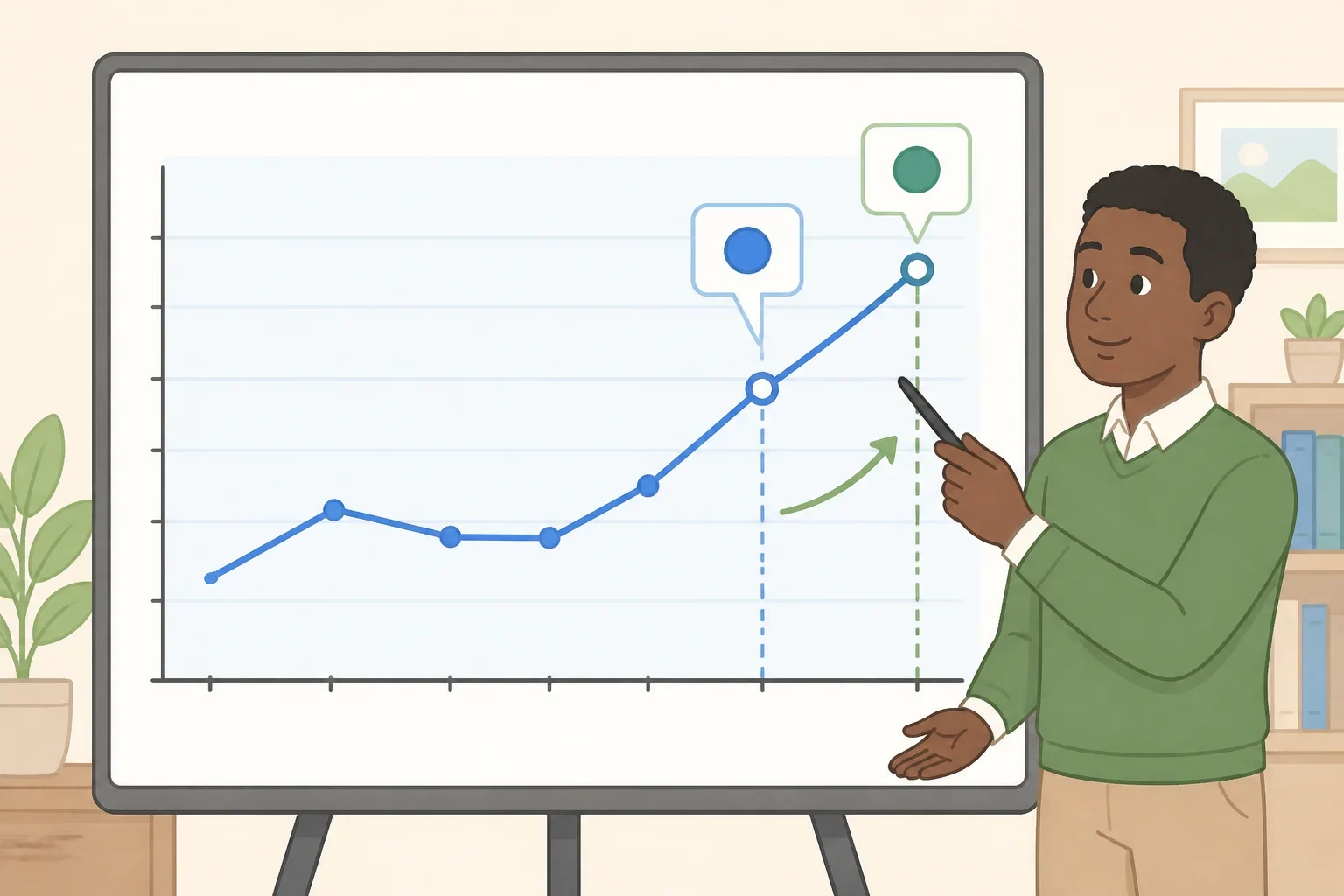
The latest all-ages figures identified in the reviewed materials are from October and November 2024. The Black unemployment rate was 5.7% in October 2024 and 6.4% in November 2024, according to BLS and a release published nearly two years ago (BLS).
That is a 0.7-percentage-point increase between the two months. The November release described the Black rate as having edged up. On its own, that movement does not establish the fastest increase since the pandemic.
To make that comparison, readers would need the current monthly Black unemployment rate, the previous month’s rate, the same month a year earlier, and a comparable series reaching back to 2020. The reviewed releases do not supply that continuous bridge.
The national unemployment rate provides a pandemic reference point, but not a Black-specific answer. It rose to 14.8% in April 2020 and returned to its pre-pandemic level of 3.5% in July 2022, according to BLS. Those figures describe the national labor market. They cannot show whether Black unemployment recently rose at the same pace.
For now, the defensible claim is narrower: the reviewed materials confirm a 6.4% all-ages Black unemployment rate in November 2024, but not the current all-ages rate or the reported Covid-era comparison.
Why the youth figure does not answer the all-ages question
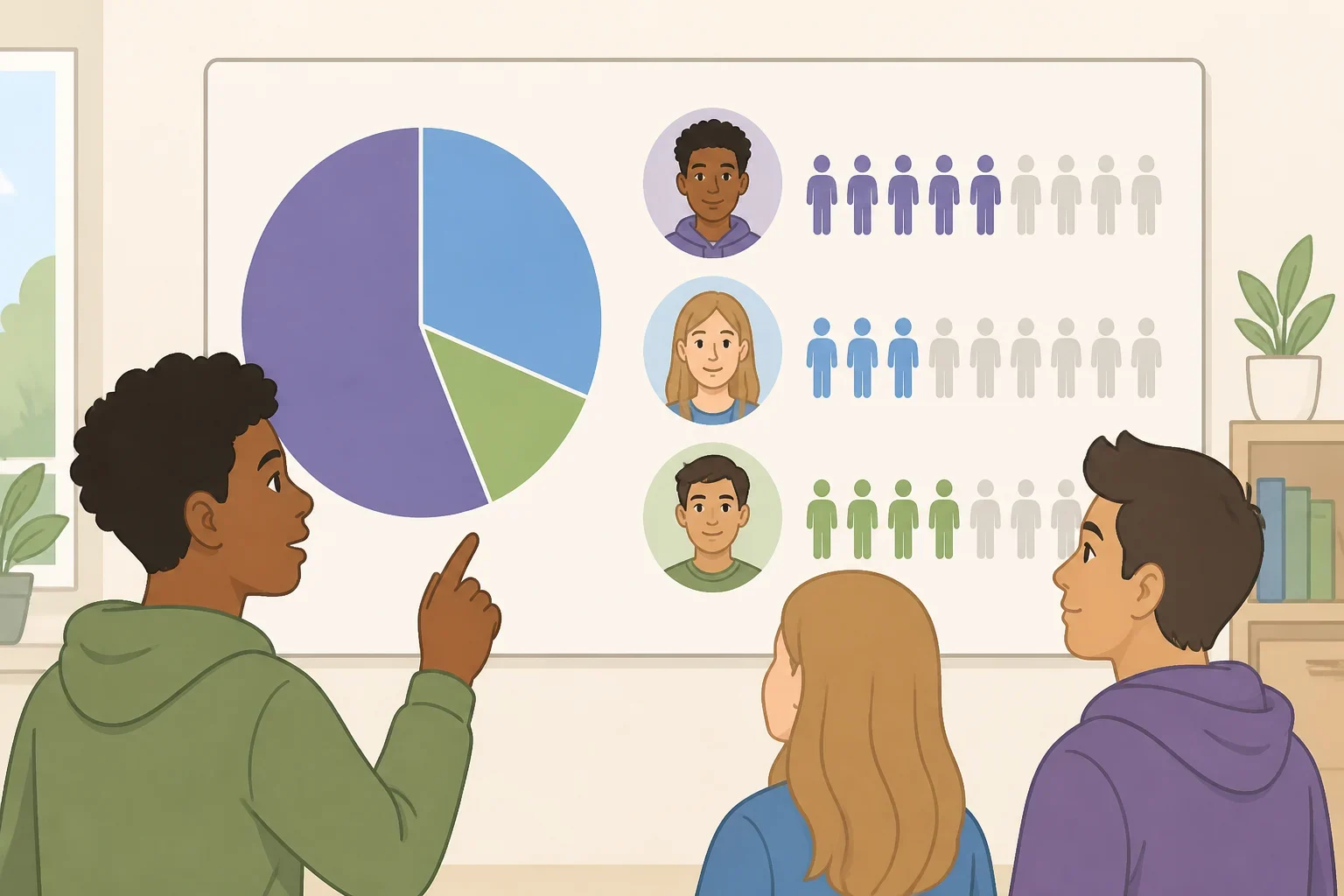
The newest race-specific figure in the reviewed materials covers people ages 16 to 24. Black youth unemployment was 12.0% in July 2026, while White youth unemployment was 8.3% and Hispanic youth unemployment was 8.9%, according to a BLS release published six weeks ago (BLS).
The overall youth unemployment rate was 9.1% in July 2026, down from 10.8% in July 2025 (BLS). That improvement was not shared evenly across the groups listed in the release. The rates for White and Hispanic youth were lower than in the prior summer, while the Black youth rate showed little change (BLS).
The same release reported that the number of unemployed young people rose by 322,000 between April and July 2026, reaching 2.1 million (BLS). That movement reflects the youth labor market during the period covered. It does not show how adult Black workers fared.
For a young job seeker, the July figure is directly relevant. For anyone making a claim about Black workers overall, it is too narrow. The age range should be stated every time the figure is used.
Check the employment-population ratio alongside unemployment
The unemployment rate is only one measure of labor-market conditions. The employment-population ratio shows the share of a population that is employed, including people who are not actively searching for work.
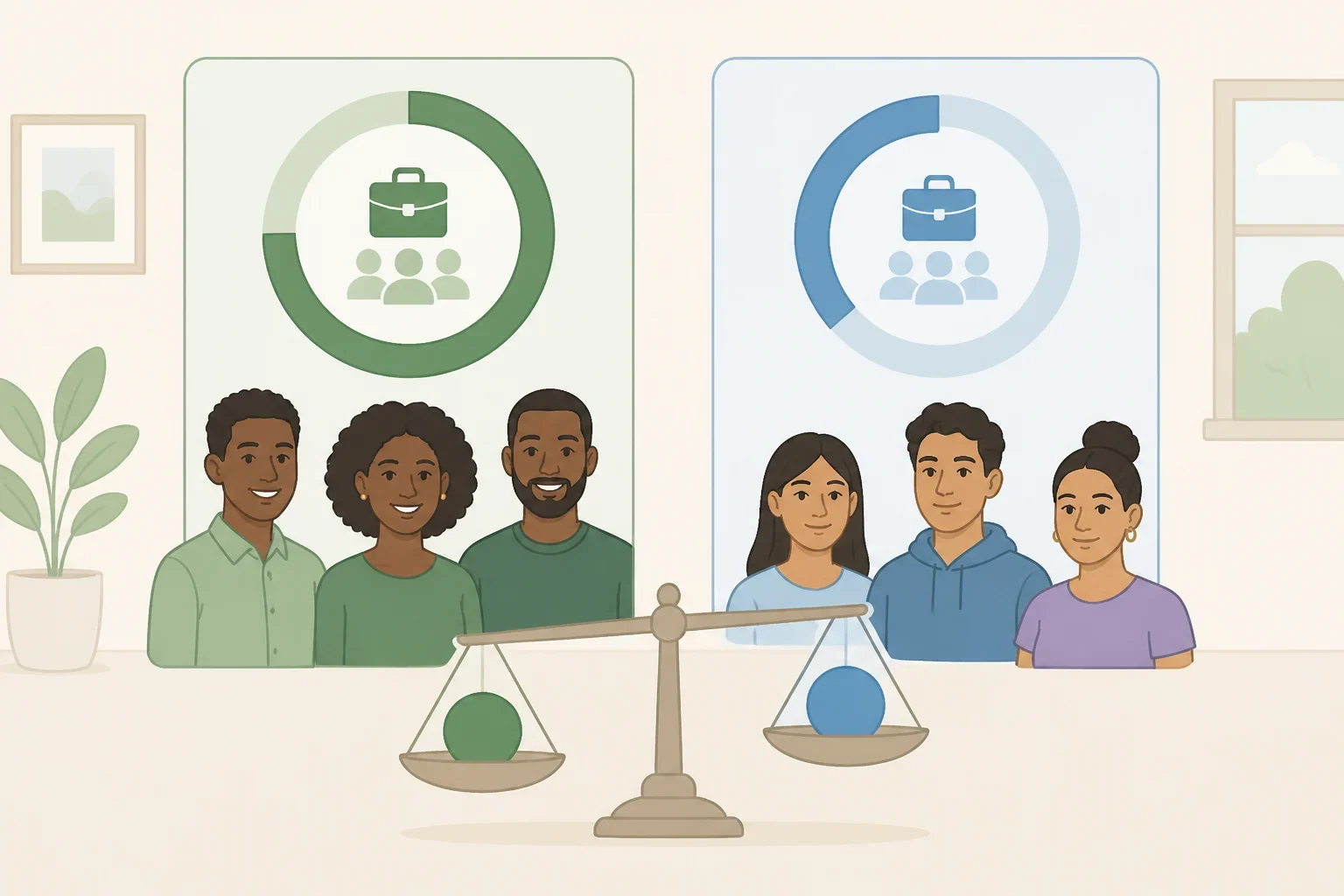
In June 2024, the employment-population ratio was 58.8% for Black people, compared with 60.0% for White people, 63.2% for Asian people, and 64.2% for Hispanic people, according to BLS. The ratios changed little over the month and were also little changed over the year in that release.
The June 2024 snapshot shows a lower employment-population ratio for Black people than for the other groups listed. It does not establish a continuing trend through October 2026.
The ratio can help readers interpret a new unemployment figure. If the Black unemployment rate rises while the employment-population ratio falls, the two measures could be consistent with fewer people working. If unemployment rises while the employment-population ratio is stable or increasing, the change could reflect more people entering the labor force and looking for work. Those are possible interpretations, not conclusions that can be drawn from the jobless rate alone.
When checking a new release, compare the same age range, month, and seasonal-adjustment treatment. Mixing an all-ages rate with a youth rate, or a seasonally adjusted figure with an unadjusted one, can create a misleading comparison.
Local data adds context, not proof
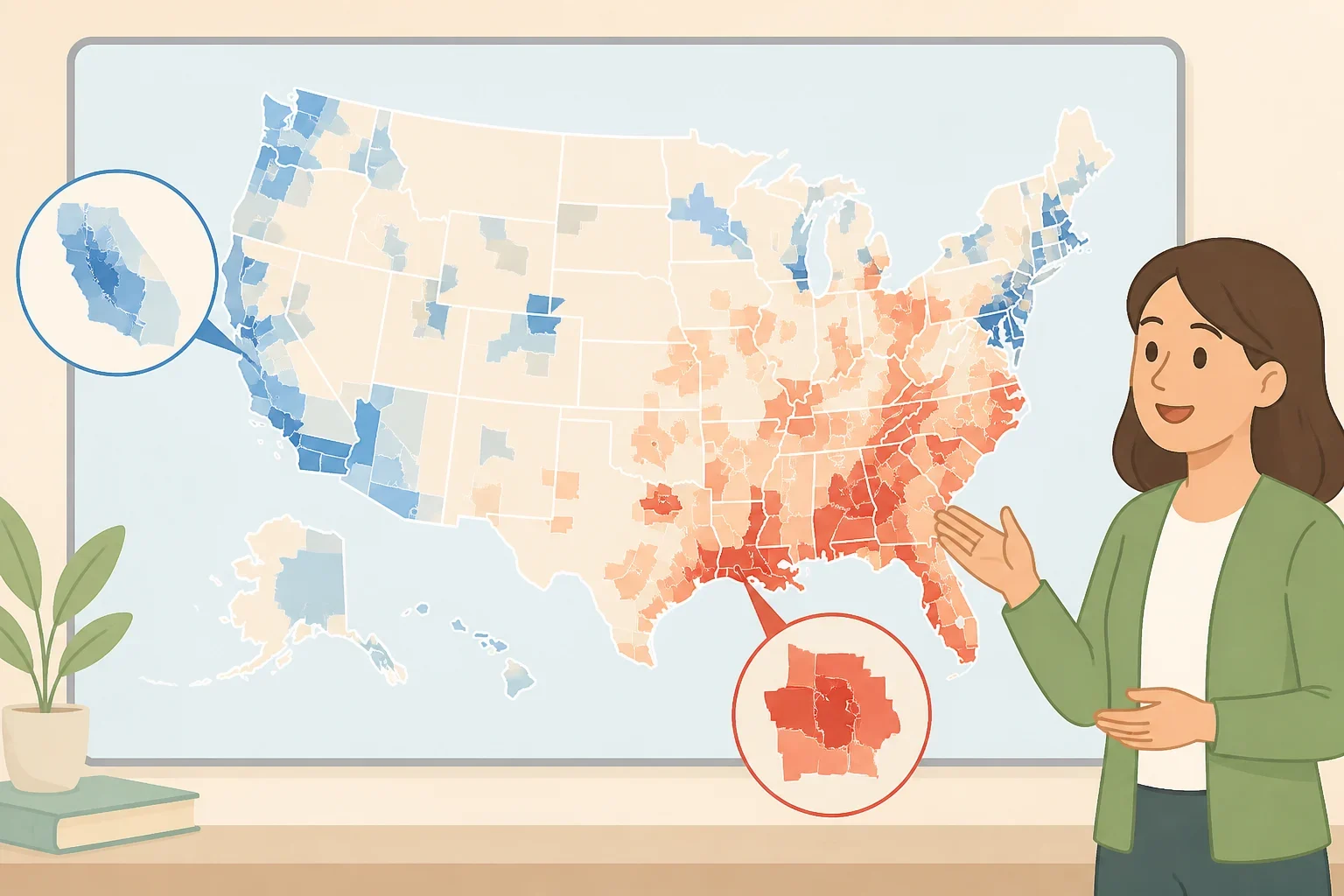
State and metro statistics can help job seekers understand local conditions, but they do not show whether Black unemployment changed in a particular city. The national unemployment rate was 4.1% in May 2026, not seasonally adjusted, and little changed from a year earlier, according to BLS.
Metro conditions varied sharply that month. Bismarck, North Dakota, and Sioux Falls, South Dakota-Minnesota, had unemployment rates of 1.8%, while El Centro, California, had a rate of 16.9% (BLS). Payroll employment increased over the year in eight metro areas, declined in four, and was essentially unchanged in 375 (BLS).
Those figures describe local labor markets generally. They do not identify the race of the workers affected. A Black job seeker can use metro data to understand the broader environment, but should not treat a citywide rate as evidence of the Black jobless rate in that city.
The more useful comparison is narrower: review openings in the specific occupation being targeted, examine the local conditions for that occupation when available, and avoid making a career decision from a national headline alone.
What to verify before changing a job search
The reviewed materials do not prove that Black unemployment has risen at its fastest pace since Covid-19. They confirm a 6.4% all-ages Black unemployment rate in November 2024, a 12.0% Black youth rate in July 2026, and a June 2024 employment-population ratio that was lower for Black people than for the other groups listed in the BLS comparison.
Before changing a job-search plan, check:
- the current all-ages Black unemployment rate and the month it represents;
- the month-over-month and year-over-year changes;
- the comparable 2020 benchmark used to support the Covid-19 comparison;
- the employment-population ratio for the same group and period;
- the state or metro conditions and the openings available in the specific occupation.
That checklist will not remove uncertainty. It will show whether a verified Black unemployment rate rise is driving the decision, or whether the headline still needs the current federal series behind it.
