
How Best Places to Work Rankings Are Determined: A Guide
In September 2025, Great Place To Work and Fortune released the 2025 Fortune Best Workplaces by Industry lists, built from feedback submitted by more than 1 million employees at Great Place To Work Certified organizations across the United States (Great Place To Work). For anyone weighing whether a "best employer" badge should factor into an application or offer decision, that release is a useful case study in how best places to work rankings are determined. Fortune also published a detailed methodology explaining who qualifies, how the survey works, and how survey responses are evaluated for its related Best Medium Workplaces list (Fortune methodology).
Fortune and Great Place To Work publish specific eligibility rules and survey methods for this ranking. Commentary describing how other employer-award programs typically operate suggests that level of published detail isn't universal, but the sources reviewed here do not establish whether other award programs use the same rules (Greenbook; employerbranding.news).
For readers weighing whether a specific badge should influence a job decision, one check matters most: whether the list's methodology, eligible workforce, and survey timing are published and can be verified. This article focuses on the Fortune Best Workplaces ranking criteria and Great Place To Work Trust Index survey because they meet that test, then covers what the survey data actually shows, where a company-wide ranking stops being useful for judging one specific job, and a checklist for weighing any "best places to work" badge before it shapes a career decision.
How Great Place To Work rankings work
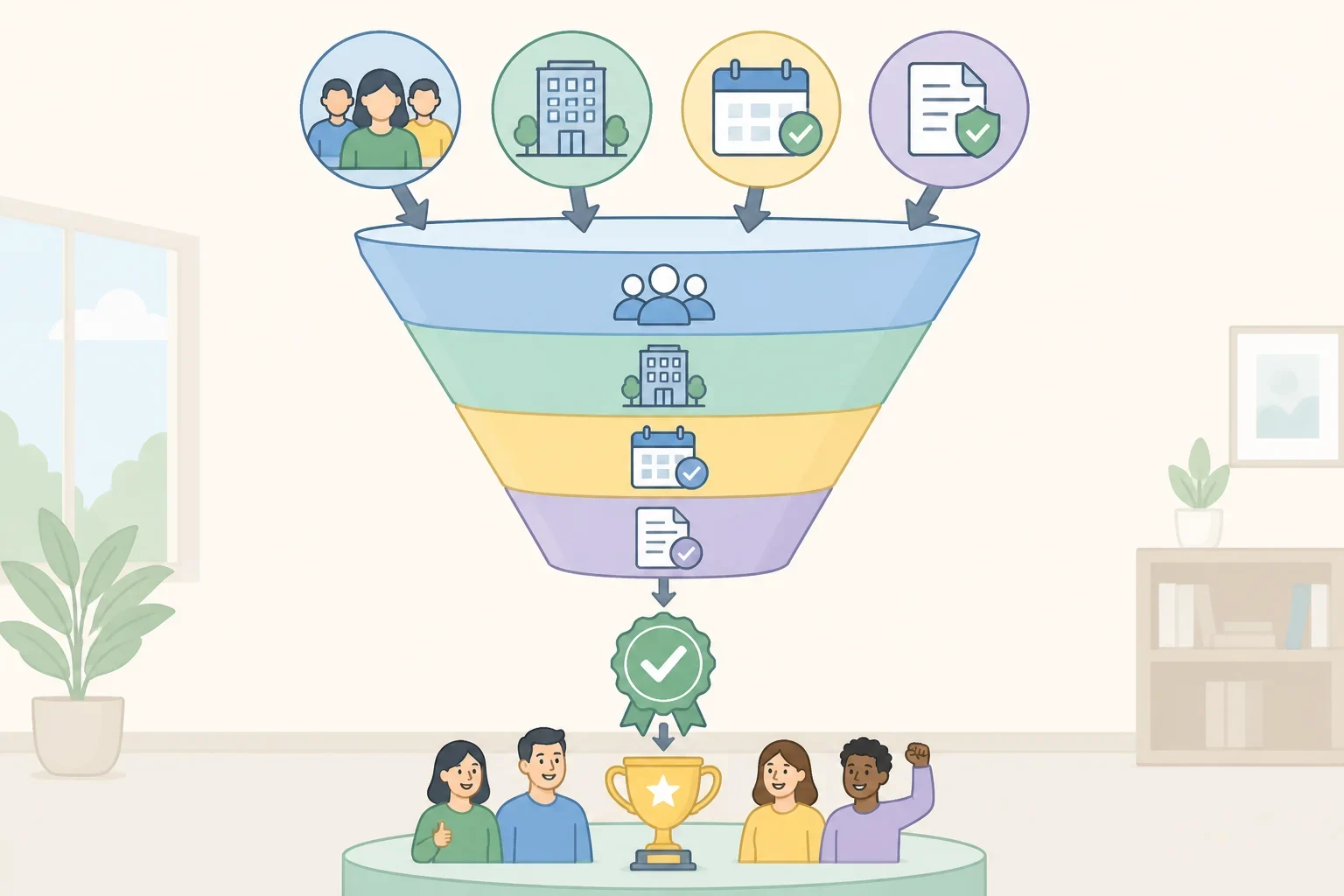
Eligibility comes first. To appear on the Best Medium Workplaces list, a company must hold Great Place To Work Certification and employ between 100 and 999 people in the U.S. (Fortune methodology). The list ranks companies that hold that certification, not every employer that might otherwise qualify. Organizations that never applied cannot appear, no matter how their workforce actually feels.
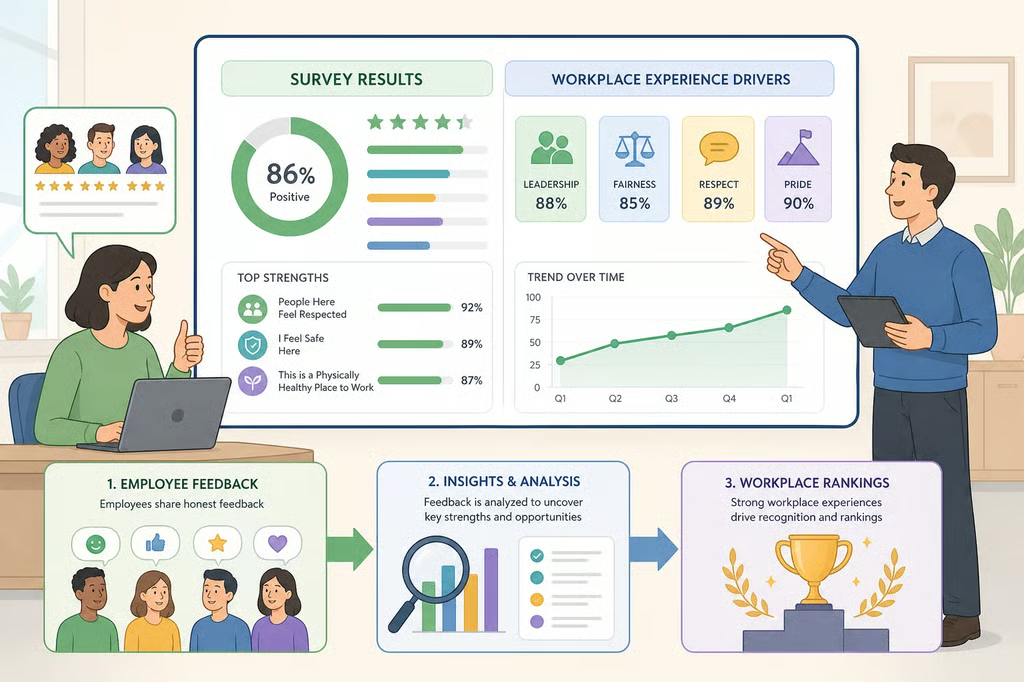
Once a company qualifies, employees respond to the Great Place To Work Trust Index Survey: 60 confidential statements scored on a five-point scale, plus two open-ended questions. The survey targets trust in management, connection with colleagues, and loyalty to the company (Fortune methodology).
These rankings draw on three separate data pools, and keeping them apart matters. The 2025 industry lists were built from feedback submitted by more than 1 million employees at qualifying certified organizations (Great Place To Work). The Best Medium Workplaces list is a different, narrower ranking: Fortune reports it was built specifically from more than 228,000 survey responses collected from companies that met the 100-to-999-employee requirement (Fortune methodology). Those responses sit inside an even larger dataset. Over the year before publication, Great Place To Work surveyed companies employing 8.4 million people in the U.S. and collected 1.3 million responses in total, according to Fortune's methodology, published last year (Fortune methodology).
A few features separate this methodology from a simple average of survey scores. Statements are weighted by their relevance to an equitable workplace, and Great Place To Work compares responses across demographic groups and roles rather than blending everything into one number. Surveys must also meet distribution and response-rate thresholds intended to represent the full workforce (Fortune methodology).
Readers comparing badges can check whether an organizer publishes comparable detail: eligibility rules, survey structure, response-rate requirements. The sources reviewed here do not establish whether other award programs disclose that same level of detail, and that gap is worth asking about directly when comparing one badge to another.
What best places to work lists measure
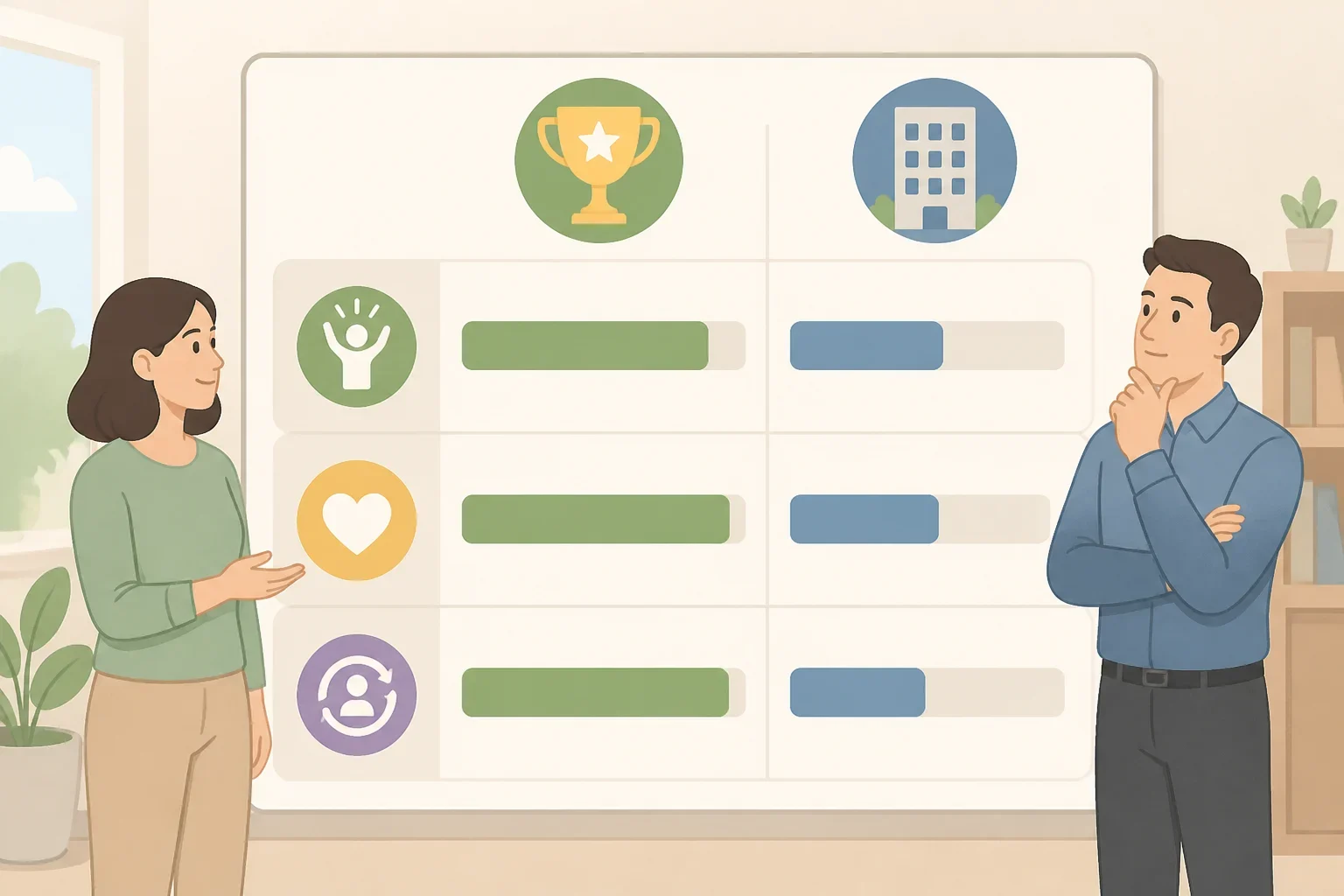
At the companies that won a spot on the 2025 industry lists, Great Place To Work reports substantial gaps between certified winners and typical workplaces. Eighty-six percent of employees said they felt empowered to innovate, a rate the organization calls 54% higher than at a typical workplace. Eighty-nine percent said they were willing to give extra effort, 48% higher than typical. And 89% said they wanted to stay with their company long-term, compared with 64% at a typical workplace, a gap Great Place To Work calls 39% higher (Great Place To Work).
Those figures describe employees at companies that were both certified and selected for a 2025 industry list. They say nothing about employers generally, and nothing about a specific team or office inside a winning company. A worker considering one particular role at one of these companies is still looking at company-wide results, even though Great Place To Work checks responses across demographic groups and roles for consistency.
A related but separate Fortune list, the 100 Best Companies to Work For, reported that 81% of employees described their workplace as psychologically and emotionally healthy, compared with 56% at typical companies, in reporting published last year (Fortune). That figure comes from a different list with its own eligibility pool, not evidence that culture and performance track together across every certified employer.
These numbers document real, self-reported differences among survey respondents at specific winning employers. They work as a starting point for interview questions, not a substitute for finding out how a particular team or role actually operates day to day.
What a company-wide ranking can't establish
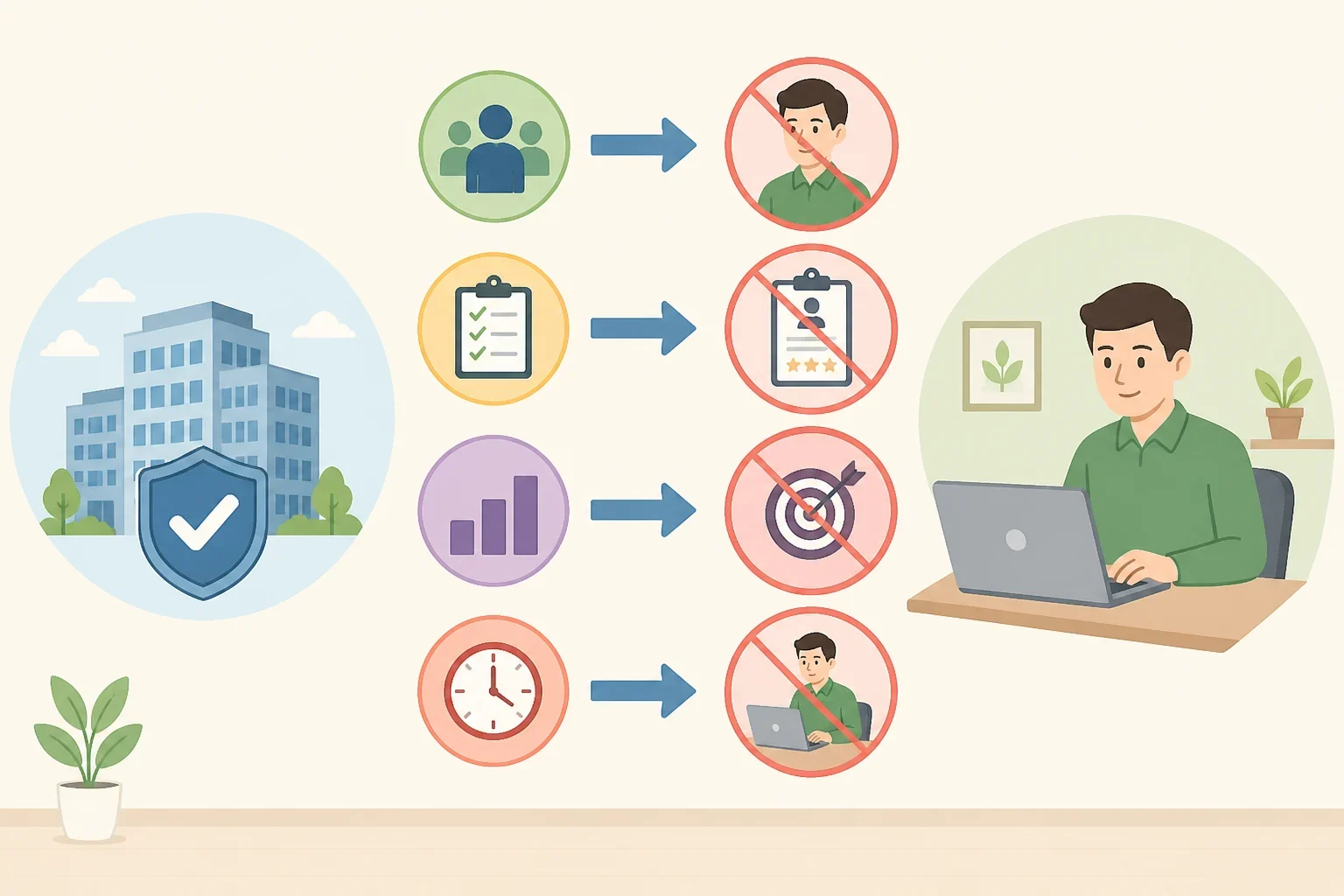
Four limits matter most when weighing a company-wide badge against a specific job.
Who was eligible. Only certified companies within a defined size band can compete for a given list. Employers that never entered the certification process are excluded automatically, regardless of how their workforce actually feels (Fortune methodology).
Who responded, and under what rules. Great Place To Work enforces distribution and response-rate thresholds for its certified companies. The sources reviewed here do not establish whether other award programs publish or enforce comparable standards. A 2024 Greenbook commentary, written by someone who says they helped design a regional Best Places to Work scoring program, uses a hypothetical example of 50 winners chosen from just 55 applicants to illustrate why readers should ask how many organizations entered before treating a "top 50" list as selective (Greenbook). A 2025 employer-branding commentary raises a related concern, arguing that many award methodologies rely on employer-submitted surveys and self-reported HR data with limited independent validation (employerbranding.news). Both pieces are opinion commentary rather than an audit of the awards industry, but they point to a fair question for any specific badge an employer displays: how many companies applied, and how many won?
What was actually measured. Based on what Fortune has published, the Trust Index Survey centers on trust in management, connection with colleagues, and loyalty to the company. The published methodology doesn't describe pay levels, workload, or role-specific conditions as part of what gets scored.
Whether conditions have changed since the survey ran. Responses are collected over the year before a list is published, which makes any ranking a snapshot of a defined window rather than continuous monitoring (Fortune methodology).
Taken together, a company-wide badge establishes how the organization's survey results looked at the time it was measured. It does not establish the conditions of every role, team, or manager inside that company.
A checklist for verifying any "best places to work" badge
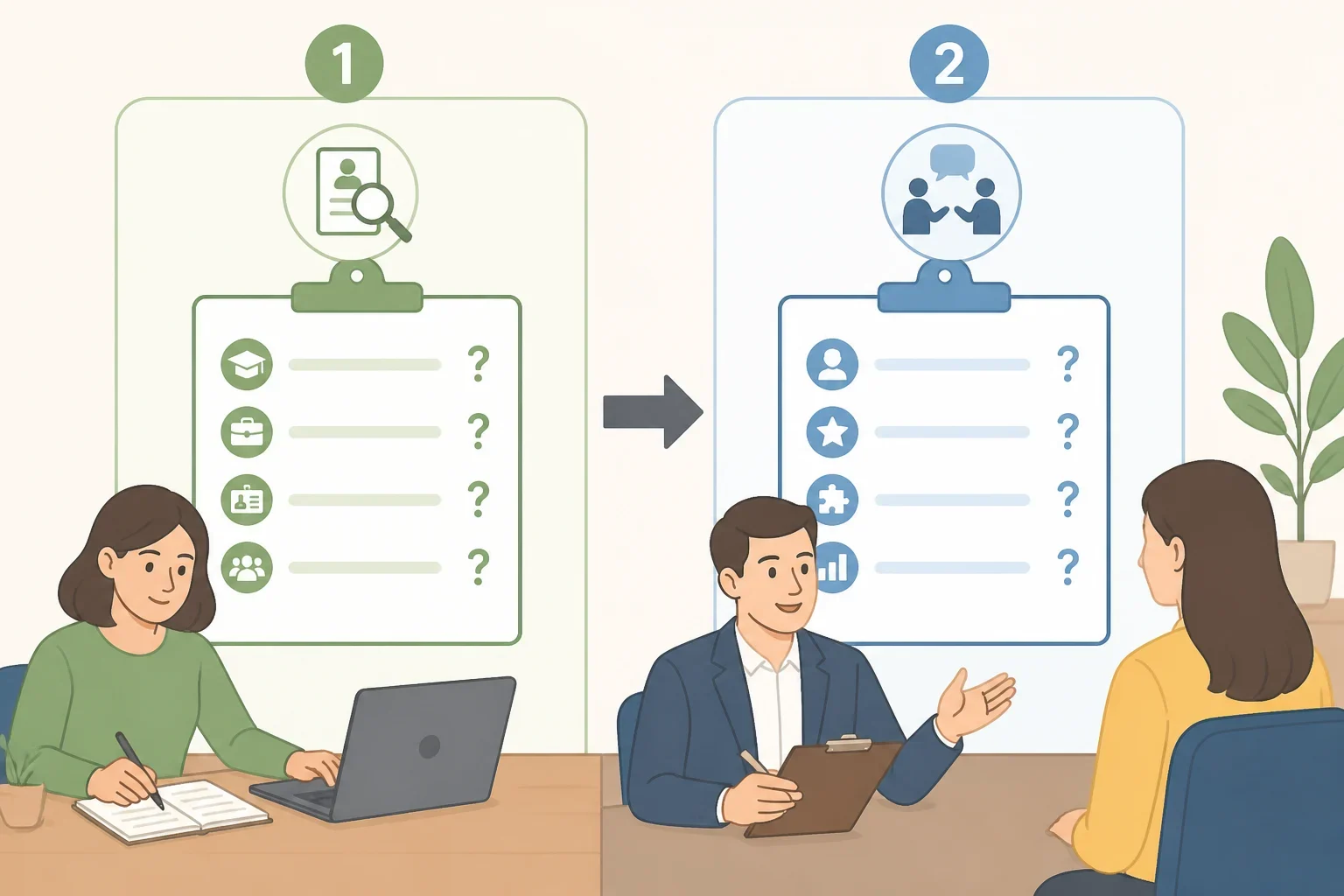
The limits above point toward a practical two-part check: what can be verified before applying, and what to raise once inside the interview process.
Before applying:
- Is the list's methodology published, including eligibility rules and survey structure?
- What size, industry, or certification requirements determined who could even compete?
- When was the underlying survey conducted, and how recent is the badge being displayed?
- Does the organizer disclose response rates or the total applicant pool, not just the winners?
- What do current, independent sources, such as recent news coverage, employee reviews, or layoff reports, show about this employer right now?
Once in the interview process:
- How has turnover looked on this specific team over the past year?
- What does flexibility, such as location, schedule, or hybrid policy, look like for this specific role, not just the company overall?
- How are promotion and internal-mobility decisions made, and how often do they actually happen?
- What changes has the company made recently in response to employee feedback?
These questions turn a marketing badge into one data point to weigh against team-specific information, rather than a standalone reason to apply, interview, or accept an offer.
What to do next
Great Place To Work's Fortune-affiliated rankings rest on a documented survey process with published eligibility rules, and that level of disclosure is worth confirming before assuming any other "best employer" badge works the same way.
Before letting a specific "best places to work" list influence an application or offer decision, look up that list's published methodology and survey timing, then check independent, current sources on the employer. Bring team-specific questions about turnover, flexibility, and follow-through on employee feedback into the interview itself. A badge is one input to weigh, not confirmation of what the job will actually be like.
