

What is career cushioning? How workers are building job security now
Workers with stable jobs are increasingly building a backup plan anyway. The behavior now has a name: career cushioning, a mix of skill-building, networking, side projects, and quiet exploration of alternate paths, practiced by people who are still fully employed and performing well, according to HRD.
So what is career cushioning, exactly, and how is it different from just being unhappy at work? HRD draws a clear line between the two, describing cushioning as "active and strategic" rather than a form of withdrawal like quiet quitting. The workforce it describes isn't disengaged. It's cautious.
What's changed is the thing people are actually protecting against. The older habit meant keeping a résumé current in case of layoffs. The newer one guards against something quieter: a role getting redefined out from under an employee who is still doing good work, according to Fast Company, which covered the trend about six weeks ago.
This article breaks down why the term is gaining traction now, what AI disruption specifically changes about job security, what cushioning looks like day to day, and how it differs from a related but distinct habit researchers call "job hugging."
What is career cushioning, and why is it growing now?
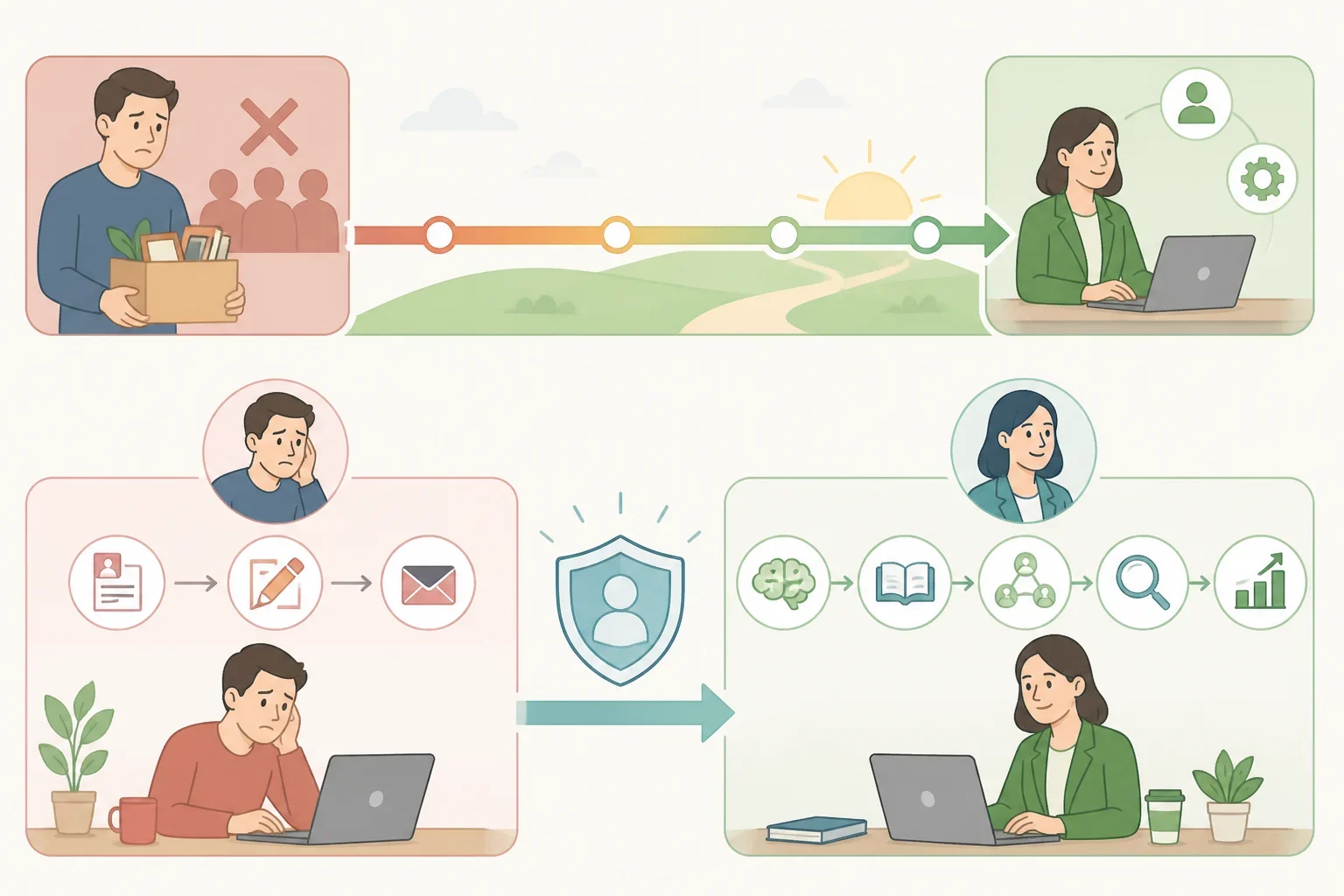
Career cushioning refers to steps employees take on their own initiative to guard against job loss, stagnation, or disruption. That includes learning new skills, especially in AI and digital tools, expanding professional networks, taking on side projects or freelance work, and exploring alternative career paths, per HRD.
Fast Company traces the behavior's rise to several years of rolling layoffs where the stated reason kept shifting: first AI, then restructuring, then strategic pivots. Watch that pattern repeat enough times and a baseline sense of insecurity starts to feel normal, Fast Company reported.
Labor-market conditions add to that backdrop, though the data is a year old and worth treating as a snapshot rather than a current read. After several years in which job seekers held the advantage, unemployment had risen and hiring had slowed across many sectors as of last year, The Washington Post reported. Conditions can move in either direction since then, so anyone weighing their own job security should check current federal labor data rather than lean on a year-old snapshot.
Underneath the market shifts is a change in attitude. HRD, citing Gartner's 2025 research, reported that employees increasingly see career ownership as their own responsibility, with employers playing a supporting role rather than a defining one. That helps explain why cushioning shows up even among people who like their jobs and aren't searching. It works less like an exit plan and more like routine upkeep.
Career cushioning and AI job disruption
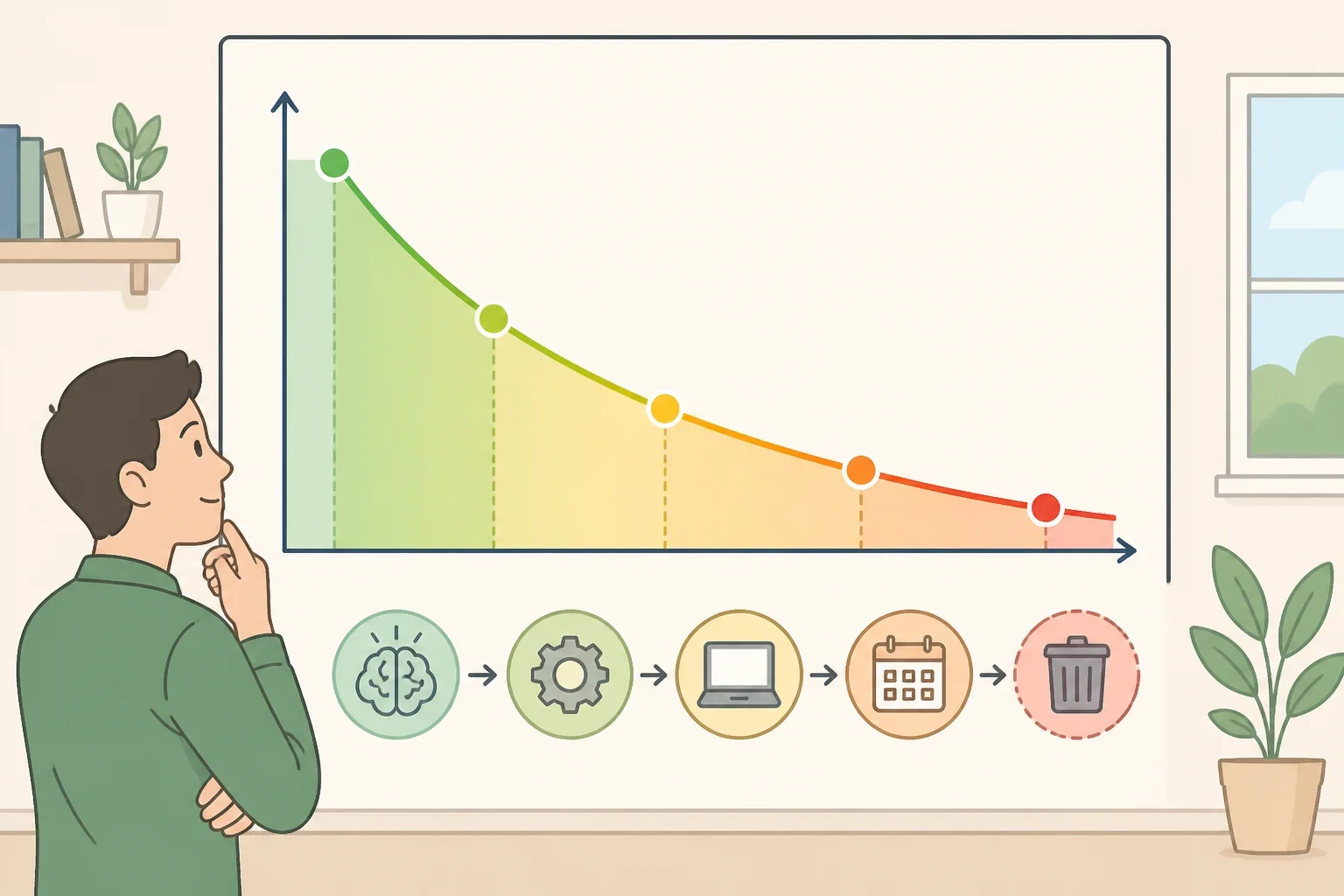
AI adoption is the pressure most often cited alongside career cushioning's rise. HRD, citing the World Economic Forum's Future of Jobs Report 2025, reported that 44% of workers' skills are expected to be disrupted within five years, with employers anticipating substantial job transformation driven by AI.
Fast Company adds a timeline to that disruption, citing World Economic Forum research putting the average skill "half-life" at around four years, closer to two years in digital and AI-adjacent fields. Treat that as a general estimate rather than a countdown clock for every job; how fast a skill ages depends on the occupation, the industry, and how aggressively an employer rolls out new tools. Even so, a skill set that felt current at hire can, in some roles, go stale before a worker finishes a first full performance review cycle.
Part of the anxiety comes from a transparency gap rather than any single announcement. Companies are moving quickly on AI adoption but often don't clearly explain how it will reshape specific roles until the change is already underway, Fast Company reported. That lag is a big reason performing well no longer reads as reliable proof of job security on its own. The underlying question employees are asking now, per Fast Company, is whether they can show they've kept pace, both for a current employer and for whoever hires them next.
Career cushioning strategies while employed
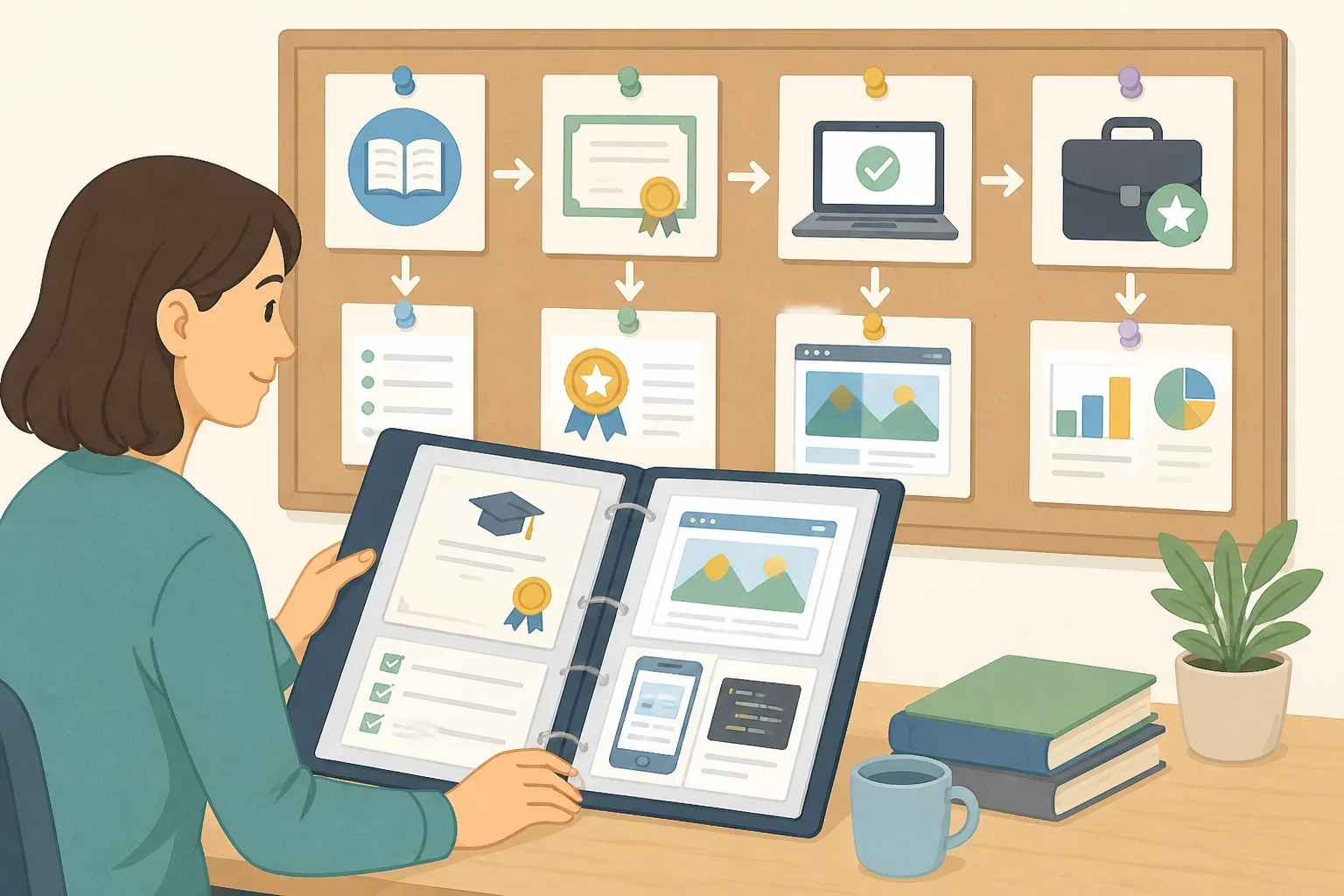
The behaviors that make up career cushioning are specific, not vague. HRD lists four recurring categories: learning new skills, especially in AI and digital tools; expanding professional networks; taking on side projects or freelance work; and exploring alternative career paths.
Fast Company frames the underlying goal as building "proof of relevance." A certification, a completed training program, a portfolio of finished work, or a documented new skill lets someone show current capability on their own timeline instead of waiting for an employer to spell out what's expected. That kind of documentation can support an internal promotion case just as easily as an outside application, which is part of why the strategy appeals to workers who aren't job hunting at all.
Side work and portfolio careers form a growing piece of the picture. HRD, citing Deloitte's 2025 research, reported rising interest in portfolio careers and multiple income streams, particularly among younger workers. Anyone considering paid side work while employed should check their employer's moonlighting, confidentiality, and conflict-of-interest policies first. Those rules vary widely by company and industry, and breaking one can create a bigger problem than the insecurity the side work was meant to offset.
For readers ready to start, the practical version looks small: pick one adjacent skill to build this month, document one recent project for a portfolio, reconnect with a couple of dormant contacts, and confirm what side-work rules actually apply at the current job before starting anything paid.
How career cushioning differs from job hugging
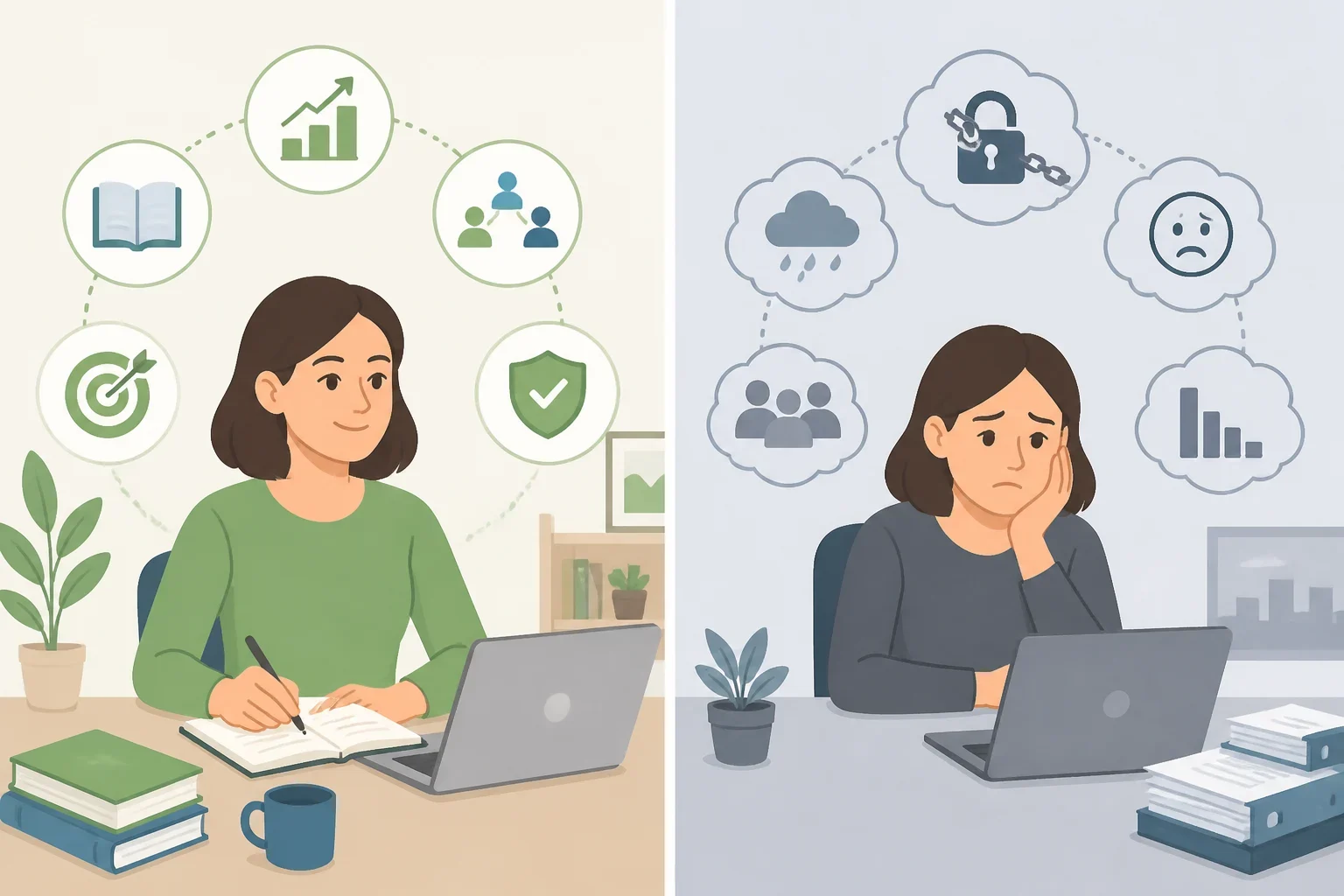
Career cushioning often gets mentioned alongside a related but different behavior researchers call "job hugging." The Washington Post describes job hugging as workers clinging tightly to jobs out of fear, amid the weaker hiring conditions in place last year, rather than proactively building outside options.
The distinction matters because the two point to different situations. Job hugging, as the Washington Post frames it, reflects reluctance to leave a role even when someone is unhappy there, driven by worry that alternatives elsewhere are scarce. Career cushioning generally assumes the current job is fine for now and focuses on building options alongside it, not escaping it.
HRD frames cushioning as a "trust signal" for employers, since a worker can look fully engaged day to day while quietly preparing alternatives, which makes retention harder to read through normal engagement surveys. HRD, citing LinkedIn's 2025 Workplace Learning Report, also noted that employees who see clear internal mobility opportunities are significantly more likely to stay. That's a useful gut check for anyone unsure whether outside preparation is even necessary: does the current employer already offer a visible path to a new skill, project, or role internally, before energy goes into looking outward?
What to check before starting
Career cushioning, as researchers describe it, isn't secret job hunting. HRD frames it closer to routine maintenance: building skills, documentation, and relationships so a role change or disruption doesn't arrive without warning.
Given how quickly skills can age in AI-adjacent fields, treating this as a one-time project rather than an ongoing habit risks leaving that documentation stale within a couple of years, based on the skill half-life estimates Fast Company cited. Workers deciding where to start have a few concrete options worth comparing: a certification or training course tied to a skill their industry is adopting, a portfolio update reflecting recent work, or a conversation with a manager or HR about internal mobility and side-work rules before committing time outside the job. Which option makes sense depends on the role, the industry, and what an employer's own policies actually allow, details worth confirming directly rather than assuming.
