

- LinkedIn ghostwriting in the AI era: what the detection crackdown actually changes
- What Oktopost's vendor account adds about the crackdown
- One agency's model of executive ghostwriting
- The ethics line ghostwriters draw differently
- What Upwork data shows about AI-exposed freelance work
- What the evidence does not establish
- What this means for LinkedIn ghostwriter jobs
LinkedIn ghostwriting in the AI era: what the detection crackdown actually changes
LinkedIn ghostwriting in the AI era now runs into a system built specifically to catch content that looks automated. LinkedIn's Executive Editor announced earlier this year that the platform had built classifiers targeting AI-generated posts, bulk comments, and replies that simply restate the original post, according to a vendor's account of the rollout (Oktopost, four months ago). The classifier reportedly reached 94% accuracy in initial testing, and flagged content loses reach beyond the poster's immediate network (Oktopost, four months ago).
That push raises a specific question for anyone doing this work for pay: can a detection system actually tell interview-driven ghostwriting apart from fully automated posts with no person behind them? Nothing in the sources reviewed here shows LinkedIn taking a formal position on hiring a writer to draft someone else's posts. The platform's stated target is content that reads as automated or carries no unique perspective, not ghostwriting as a practice.
Available research doesn't establish whether ghostwriting job openings are actually increasing. A ghostwriting consultant says she's noticed more postings for the role lately, which is a personal observation, not labor-market data (Dayna Lang, three months ago). This article sticks to what the work actually involves and how to evaluate it, not unverified growth claims.
That matters for writers, communications professionals, and career changers weighing whether to pursue this work. Three sources speak to the question from different angles: an agency's documented workflow, a vendor's account of LinkedIn's enforcement system, and freelance-market data on how generative AI has already reshaped writing-adjacent work. They don't answer the same question, and treating them as if they do is where a lot of confusion about this field starts.
What Oktopost's vendor account adds about the crackdown
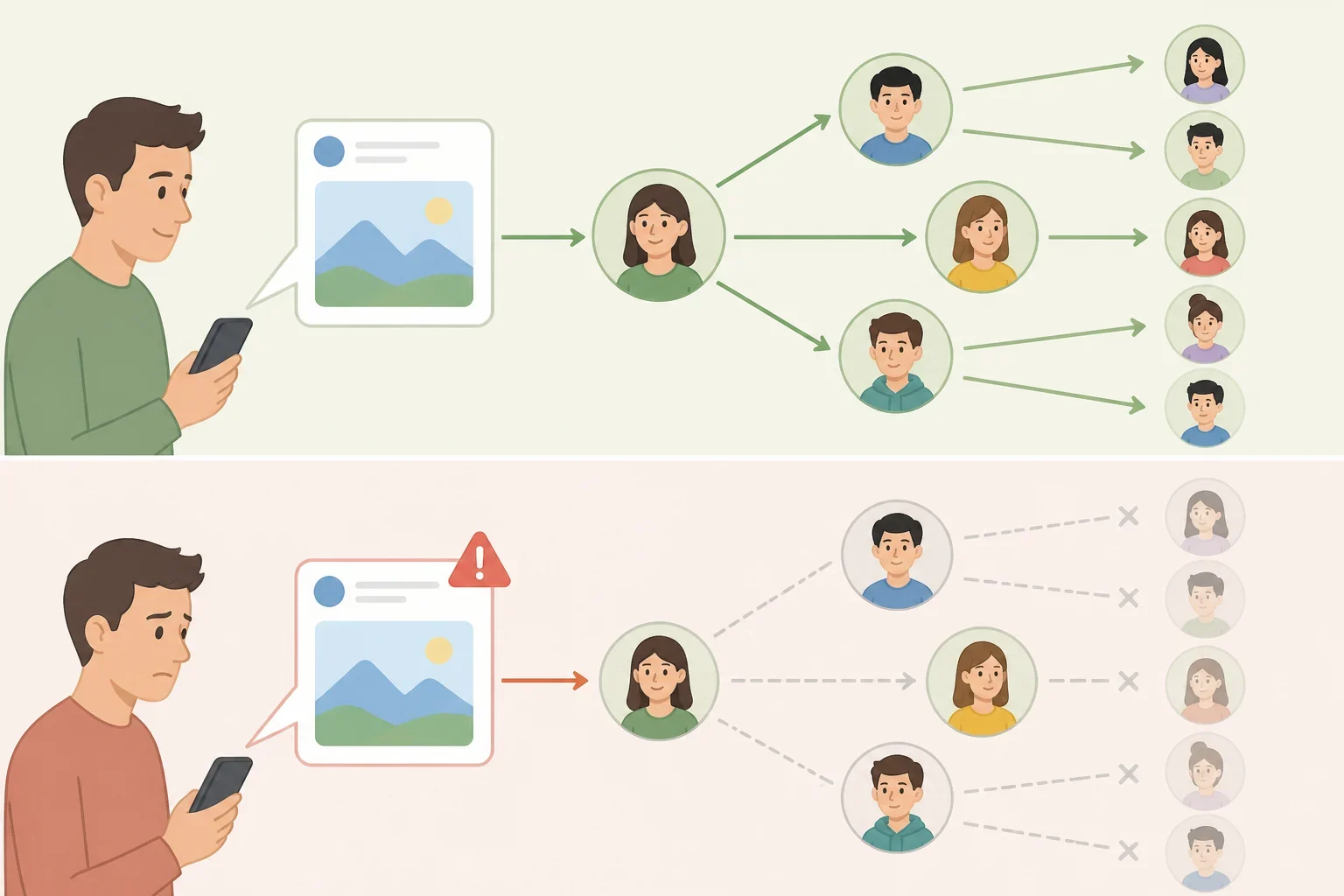
Oktopost's account of the crackdown goes past the headline accuracy figure. The vendor describes a pattern it says shows up repeatedly in customer conversations: programs generating 40 posts a month from a single quarterly intake document, published under an executive's name before that executive has read the content (Oktopost, four months ago). Oktopost frames that pattern as exactly what the classifier is built to catch, though that framing is the vendor's own characterization rather than a claim LinkedIn has made directly.
The same account argues that a human has to stay in the loop at every stage, since AI can sharpen a draft but can't produce the lived experience behind a real opinion (Oktopost, four months ago). Oktopost also claims that posts which read as generated get an early algorithmic push and then flatten out, while posts with real human contribution sustain conversation past the first two days (Oktopost, four months ago). Both points are the vendor's characterization of engagement patterns, not independently published LinkedIn data, and the underlying 94% figure hasn't been audited outside Oktopost's own reporting.
One agency's model of executive ghostwriting

Set against that enforcement backdrop, one documented model shows what legitimate ghostwriting is supposed to look like. The agency Shadow describes the work as interview-driven: an executive supplies the ideas, positions, and evidence, a writer captures that voice through recorded conversations, and nothing publishes until the named executive reviews and signs off (Shadow, three months ago).
Shadow's process runs in four phases: voice capture through two to three recorded interviews, positioning around three to five content pillars, drafting on a weekly or biweekly schedule, and distribution only after the executive approves the piece (Shadow, three months ago). The division of labor is explicit in this model: the executive brings ideas and evidence, the writer brings structure and editorial execution (Shadow, three months ago). That's one agency's documented workflow, not confirmation that every ghostwriting arrangement runs this way.
The ethics line ghostwriters draw differently
Ghostwriting consultant Dayna Lang draws a sharper line around that same division of labor. In her view, the arrangement holds up when the subject originates the ideas, but turns misleading once the writer, rather than the subject, invents the entirety of the concept (Dayna Lang, three months ago). That's Lang's personal position on ghostwriting ethics, not an established industry standard.
Her focus on authorship and Oktopost's insistence on a human in the loop land on the same underlying question from different directions: whether an identifiable person's actual point of view sits behind what publishes as authentic LinkedIn content. One frames it as an ethical line for the writer to respect; the other frames it as a technical requirement to survive a classifier. Neither source treats those as the same claim, and this article doesn't either.
What Upwork data shows about AI-exposed freelance work
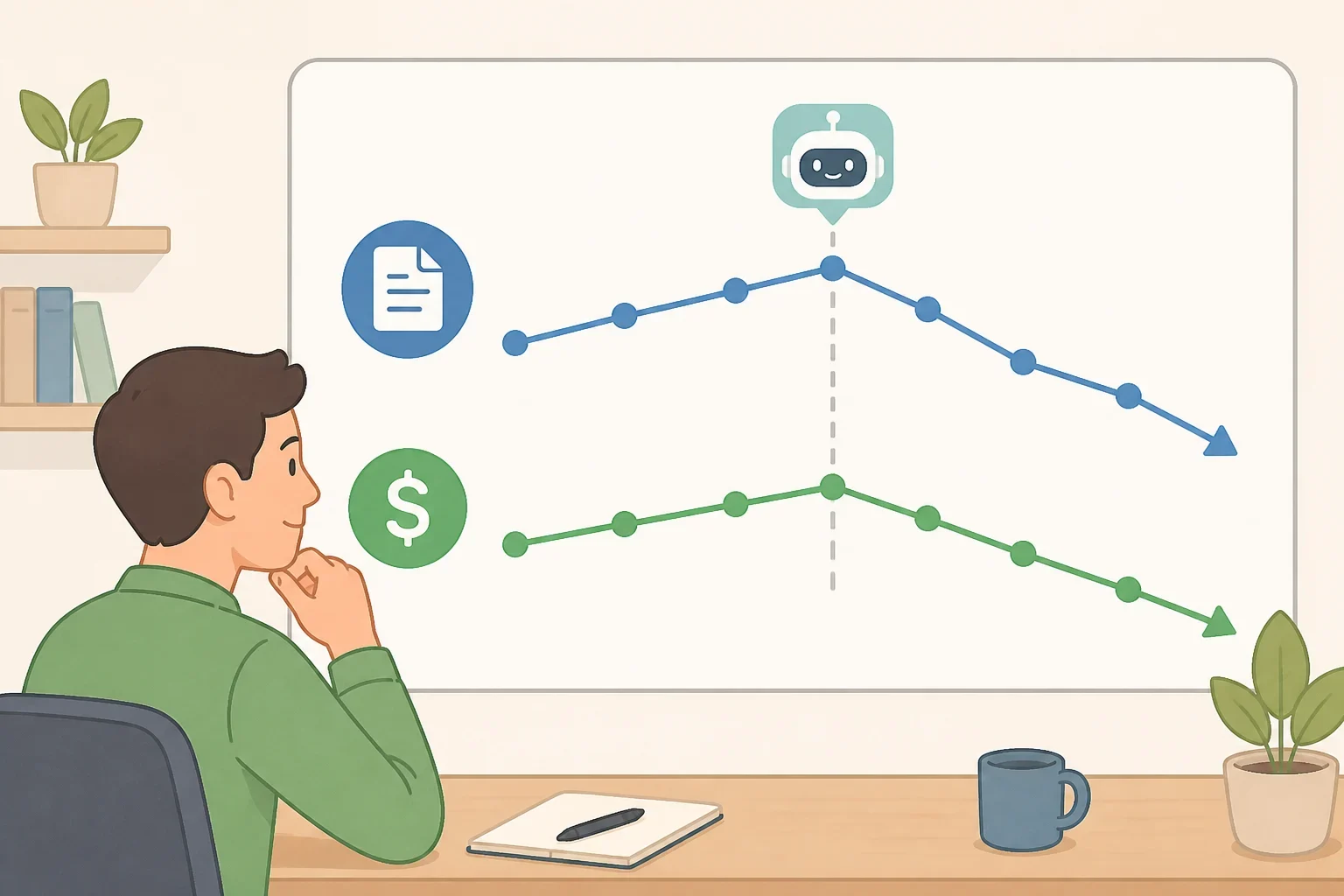
The clearest available evidence on how generative AI has already hit writing-adjacent freelance work comes from Upwork, not from LinkedIn. Freelancers offering AI-exposed text services, including copyediting and proofreading, saw a 2% drop in new monthly contracts and a 5% drop in earnings after ChatGPT's release in late 2022, according to a Brookings analysis of the freelance marketplace (Brookings, last year). Those losses were largest among experienced freelancers offering higher-priced, higher-quality services, rather than newer or cheaper providers (Brookings, last year).
The researchers describe generative AI as compressing performance differences across the skill spectrum, an effect that narrows the gap between skilled and less-skilled freelancers (Brookings, last year). That finding covers AI-exposed freelance occupations broadly on one marketplace. It doesn't measure LinkedIn ghostwriting specifically, but it cuts against any assumption that interviewing skill automatically insulates a writer's pay from AI-driven competition.
What the evidence does not establish
Three questions raised by this reporting stay open in the sources reviewed here.
- Whether ghostwriting job openings are actually increasing. Lang's observation of more postings is personal, not labor-market data (Dayna Lang, three months ago).
- Whether LinkedIn's classifier can reliably tell interview-based ghostwriting apart from AI-generated LinkedIn posts with no human input behind them. The 94% figure is Oktopost's characterization of LinkedIn's tool, not an independently audited benchmark (Oktopost, four months ago).
- Whether human-written LinkedIn posts get better reach as a rule. Oktopost claims posts with real human contribution sustain conversation longer than content that reads as generated, but that's a vendor's characterization of engagement patterns, not published LinkedIn data (Oktopost, four months ago).
What this means for LinkedIn ghostwriter jobs

None of the sources reviewed establish which professional backgrounds employers prefer for these roles, so overlap with journalism, public relations, or communications work remains an unverified inference rather than a documented hiring pattern.
Building a portfolio sample can show that editorial judgment before any interview even happens: a short source conversation, brief fact-checking notes, and a finished post that reflects a specific point of view grounded in real experience, evidence a reader could verify, and a connection to what an audience is currently discussing (Shadow, three months ago). That combination is Shadow's own description of what separates effective thought leadership from generic drafting, not a universal hiring requirement, but it doubles as a practical way to demonstrate the skill this work depends on.
Shadow reports that agencies charge clients $2,000 to $15,000 a month for full ghostwriting programs, rising to $25,000 or more for public-company executives who require compliance review (Shadow, three months ago). Those figures describe what a client pays for a program, not what an individual writer earns from producing it.
The Upwork findings on declining freelance earnings for AI-exposed text work offer indirect evidence of pricing pressure, but the study doesn't show whether that same effect reaches LinkedIn ghostwriters specifically (Brookings, last year). Taken together, the available sources point to platform scrutiny and cost pressure on AI-exposed freelance writing work in general, not a confirmed pay premium or growth trend for ghostwriters as a group.
Anyone weighing a real ghostwriting opportunity can use the same distinction Lang and Oktopost both treat as decisive: ask whether the writer works from ongoing interviews with the named person or from a single intake document, and whether that person actually reviews content before it publishes under their name. Treat any pricing figure quoted in a conversation as either a client-program cost or a personal rate, never both, and verify which one is on the table before agreeing to anything.
