
How to Explain a Class Project in an Interview: STAR Guide
Knowing how to explain a class project in an interview matters most for candidates without a long work history. A thesis, a case competition, or a group assignment can feel like it doesn't belong next to someone else's internship, but it can provide relevant evidence when a candidate explains the personal contribution and outcome clearly, according to interview-coaching firm One Strategy Group, in guidance published last year.
One Strategy Group's coaching framework argues that an interviewer weighing a case competition against a summer internship is often listening for the same underlying traits: analytical rigor, the ability to lead or collaborate under pressure, and whether a candidate pushes through a setback instead of walking away from it (One Strategy Group). That's one firm's coaching approach, not a universal hiring standard, and what an interviewer actually weighs still depends on the role and the industry.
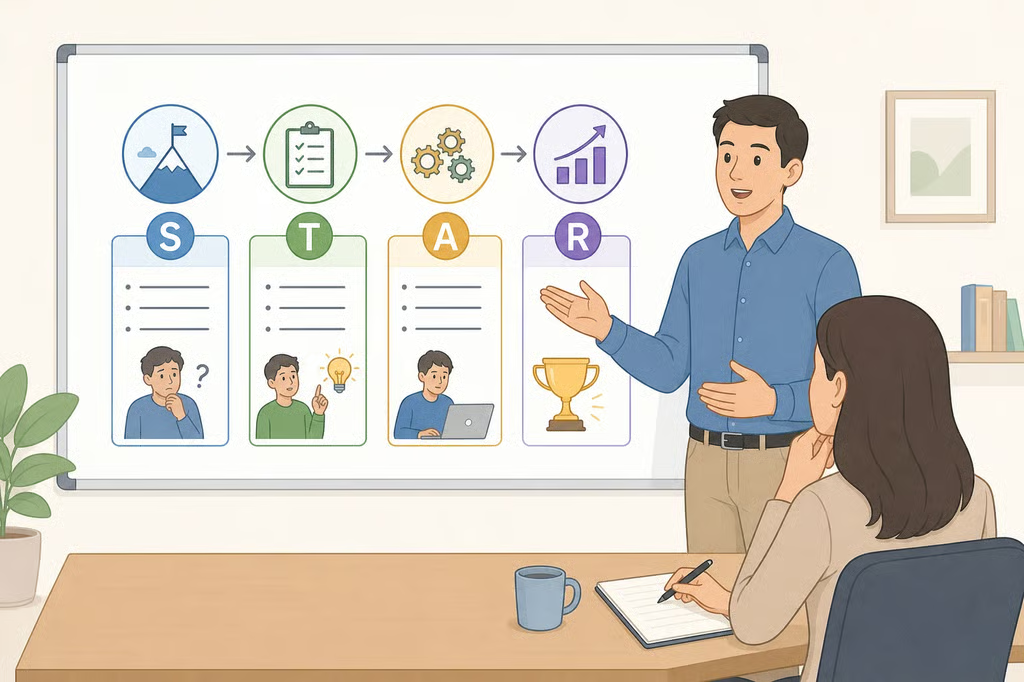
The structure both the University of Cincinnati and MIT's career office recommend for organizing a behavioral interview story is STAR: Situation, Task, Action, Result (University of Cincinnati, updated earlier this year; MIT CAPD). Neither source addresses class projects specifically, but the format can organize a story built around a personal contribution, which is exactly what a translated academic project becomes.
This guide covers how to talk about a class project in a job interview: picking the right project for the question you're likely to get, handling a result that isn't a tidy win, and four adaptable STAR examples built around distinct competencies, from team disagreements to decisions made under deadline.
Choose the right project before you build an answer
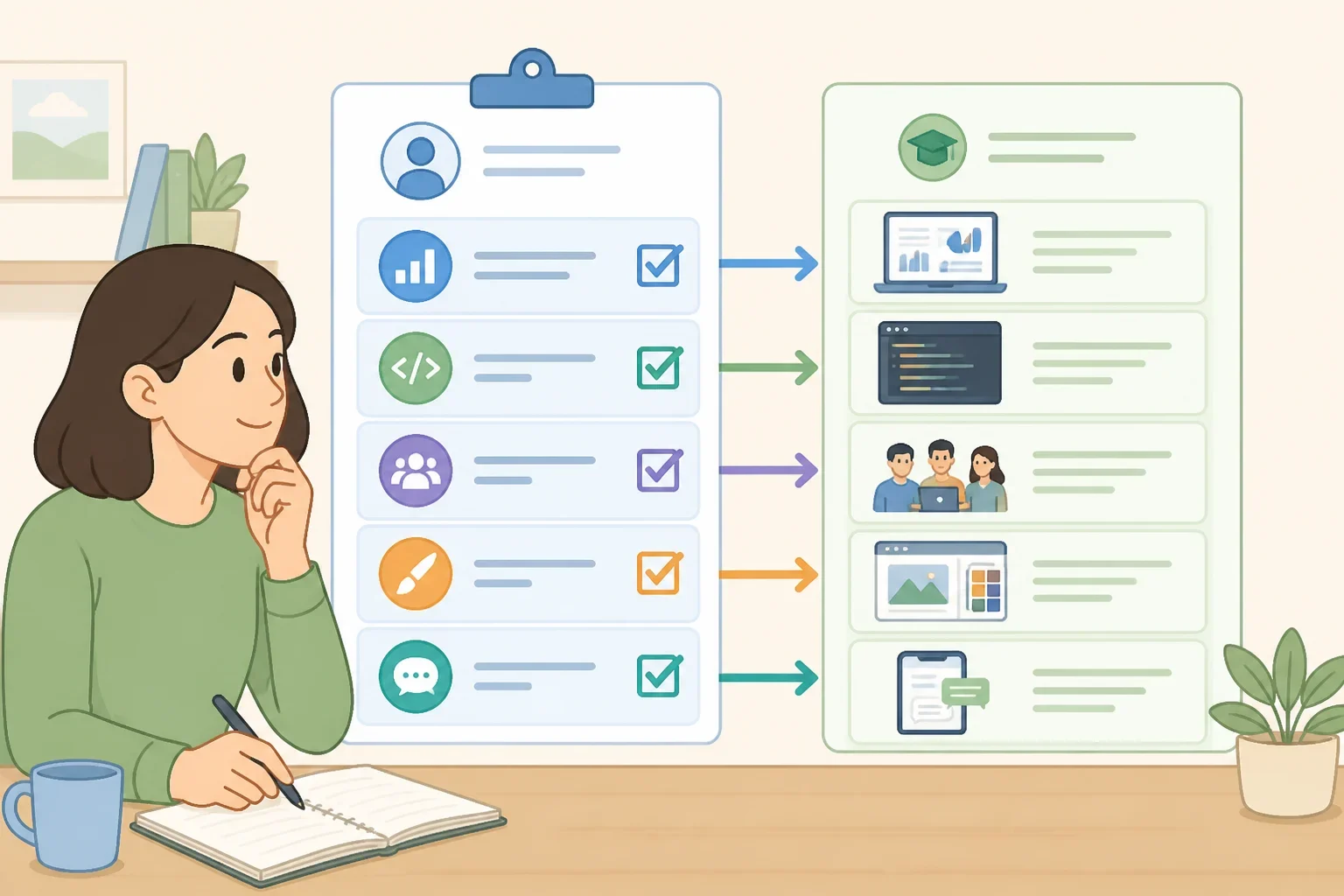
Learning how to describe an academic project in an interview starts with matching it to the likely question, not chasing the project that sounds most impressive. "Tell me about a time you resolved a disagreement" and "tell me about a technical problem you solved" call for different material, and the project with the clearest personal contribution usually beats the flashier one, per One Strategy Group.
The firm recommends a three-step translation: state what the project actually involved without inflating it, identify the one piece that most resembles a skill the target role needs, then connect that piece to the role in a single explicit sentence. One Strategy Group describes that explicit connection as the difference between a candidate who undersells strong material and one who makes the same material land.
MIT's Career Advising and Professional Development office recommends preparing three to five STAR stories in advance using a bulleted outline (MIT CAPD). Two or three different projects can easily generate that many stories once combined with other experiences, so it's worth drafting short outlines for more than one project rather than polishing a single story and hoping it fits every question.
A practical boundary worth keeping in mind: a class project can demonstrate transferable skills like analysis or collaboration, but it isn't a stand-in for professional experience when an interviewer is asking specifically about client relationships, proprietary systems, or licensed work. If a question goes further than the project covers, it's worth saying so plainly rather than stretching the comparison.
Before drafting any answer, write one sentence naming the specific skill from the job posting the project will demonstrate, and confirm the contribution was genuinely personal rather than something the whole group gets credit for.
Handling a result that isn't a clean win
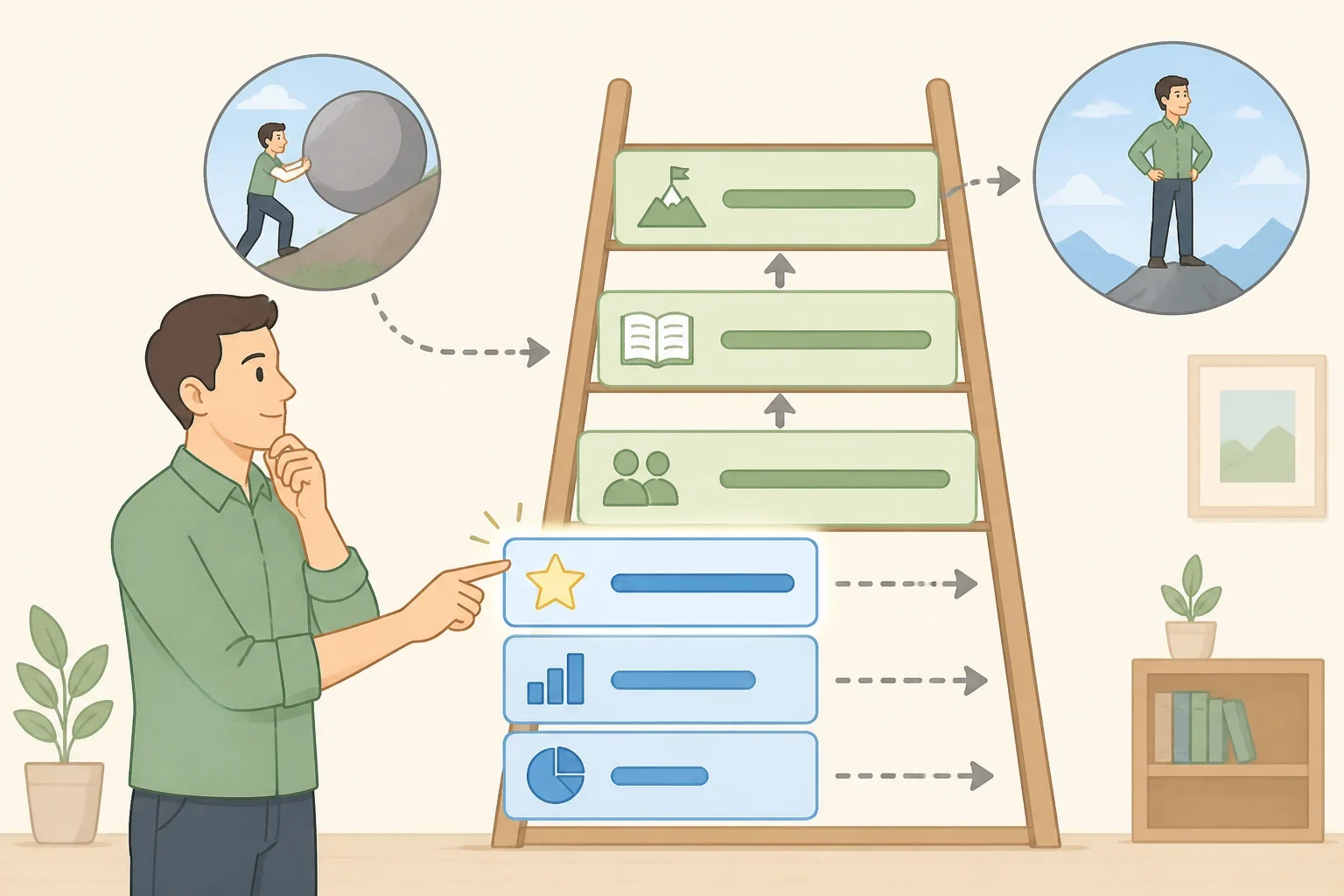
A result doesn't have to be entirely positive. University of Cincinnati's guidance notes candidates can highlight what they learned or how they grew in response to a setback instead of forcing a flawless outcome (University of Cincinnati).
Not every result carries equal weight, though. A measurable outcome (a grade, a percentage, a number reached) says more than a vague description. Absent that, an observable deliverable or specific feedback, a finished model, a professor's comment, a working prototype, is the next best option, followed by a concrete process change made because of the project. A lesson learned should be the fallback, not the first choice, since it's the easiest claim to make and the hardest to prove.
MIT's framework still calls for a quantifiable result where one exists, paired with a clear takeaway (MIT CAPD). University of Cincinnati is blunt about the alternative to a strong result: be honest and specific, because vague or generalized summaries weaken an otherwise strong story (University of Cincinnati).
If a project's result sits lower on that list, prepare one sentence naming the specific skill gained or process you'd change, not a general line about learning a lot, and be ready to elaborate if an interviewer follows up.
STAR method for class project interview answers
School project interview questions tend to cluster around a handful of recurring themes: teamwork, analytical reasoning, technical troubleshooting, and decisions made under a deadline. The four class project interview answer examples below map to each theme and are models for adaptation, not scripts to copy word for word.
Three are fictional scenarios built for this guide. The econometrics example is adapted from an illustration One Strategy Group uses to describe how to turn research work into interview material. Replace every specific detail, including any numbers, with your own experience before using any of them in a real interview. Each follows MIT's recommended time allocation, roughly 20% Situation, 10% Task, 60% Action, 10% Result, and the "I," not "we," language both university sources call for in the Action section (MIT CAPD; University of Cincinnati).
Resolving a disagreement on a team
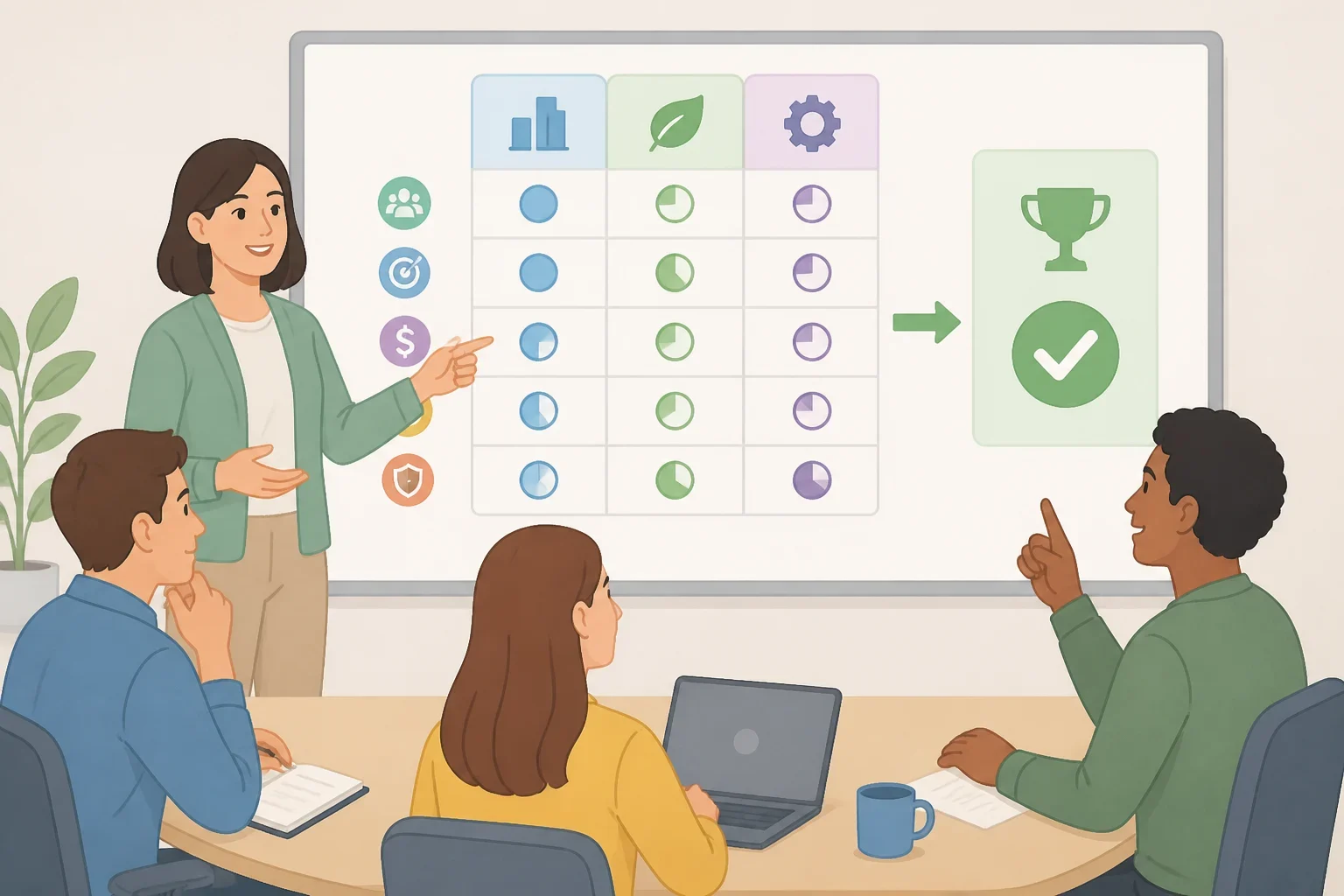
Likely question: "Tell me about a time you resolved a disagreement on a team."
Sample answer: My marketing class team split over which customer segment to prioritize for a semester project, and the disagreement was eating into our planning time. I needed us aligned before the deadline, so I proposed testing both segments against the professor's grading rubric, ran a short survey to settle the question with data instead of opinion, and brought the comparison back to the team. We submitted one unified proposal on time, and I came away with a habit I still use: when a group disagrees, test the options instead of arguing them.
This works because the survey result functions as something measurable rather than a vague resolution, and the Action section stays focused on what the candidate personally did. One Strategy Group's trait mapping associates group coursework like this with collaboration and leadership under disagreement. Swap in the actual team conflict and the real grade or feedback received; this is a fictional model.
Analyzing evidence in a research project
Likely question: "Tell me about a time you used data or research to solve a problem."
Sample answer, adapted from an example One Strategy Group describes: my semester-long econometrics project involved building a regression model to test a hypothesis about consumer spending. I needed a model I could actually stand behind, so I diagnosed why my first two specifications produced unreliable results, then iterated until the third one held up. That gave me a repeatable process: test an approach, find where it breaks, and refine it before trusting the output.
The skill this demonstrates is analytical rigor, which One Strategy Group maps to research and thesis work. Swap in the actual dataset, tool, or hypothesis tested; stay close to what actually happened here, since this version is adapted from a documented example rather than invented.
Troubleshooting a technical problem
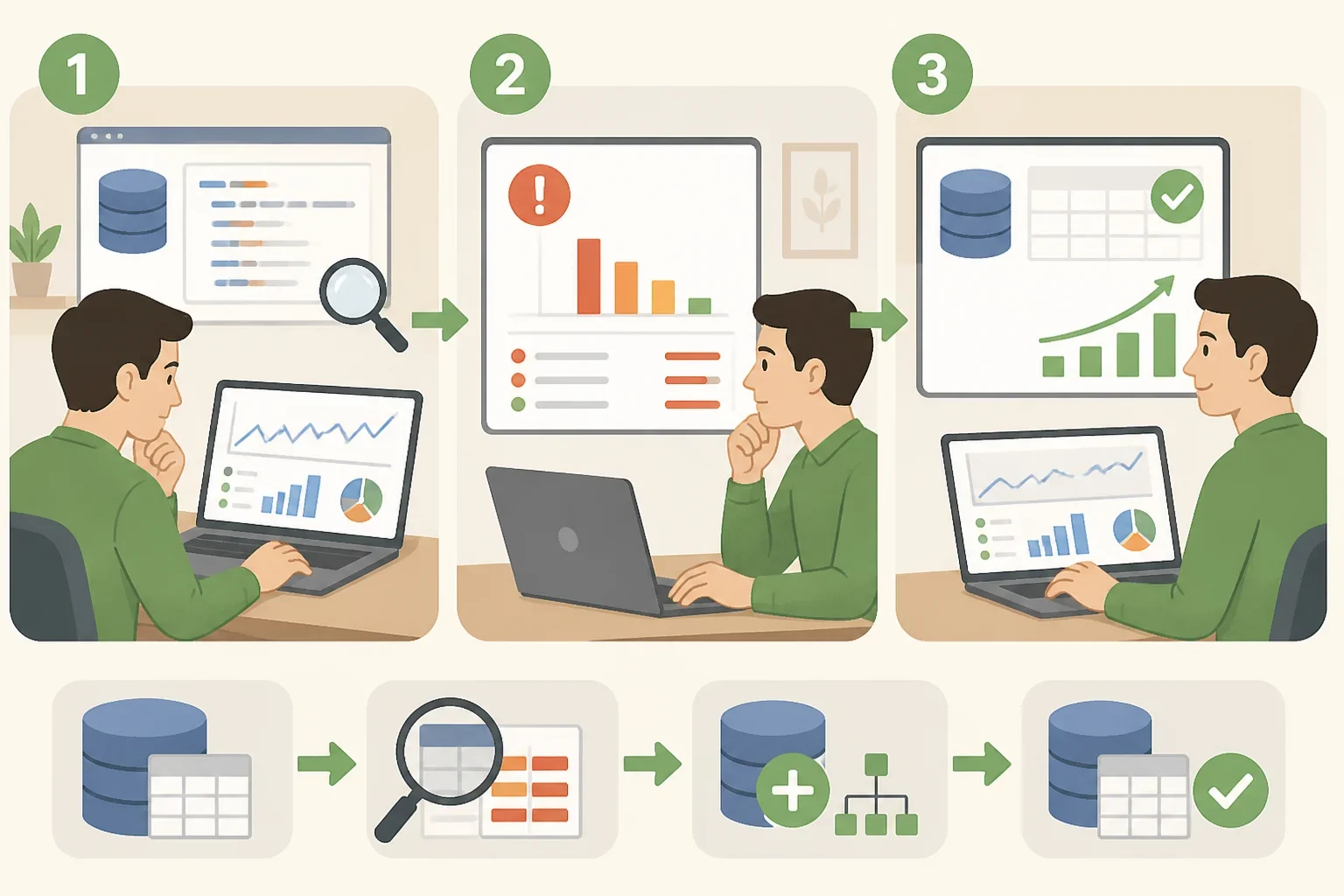
Likely question: "Tell me about a technical problem you solved."
Sample answer: My database class's final project started lagging badly during a demo rehearsal, right when performance mattered most. I needed to fix it before the real deadline, so I profiled the slow queries, traced the bottleneck to an unindexed table, added the index, and reran the tests. Load times improved enough to pass the demo, and I learned to test performance earlier in a build cycle instead of waiting until the end.
This is a fictional model. The specific technical details, the unindexed table, the improved load times, are invented for illustration and should be replaced with your actual tools, such as SQL or Python, and an honest account of the real problem and fix. One Strategy Group's framework links coursework like this to technical and data fluency.
Making a recommendation under deadline
Likely question: "Tell me about a time you had to make a decision or recommendation under time pressure."
Sample answer: A case competition required analyzing a company's market-entry options against a tight deadline. My team needed one recommendation ready for the judges, so I owned the financial modeling portion, narrowed the entry options down to one using a breakeven analysis, and walked the team through the rationale before the final submission. We submitted a complete recommendation on time, and I learned to make a defensible call quickly when I didn't have full information.
This is also a fictional model, built to illustrate structured problem-solving and communication under time pressure, a trait One Strategy Group maps to case competitions in investing or consulting prep. Substitute the actual competition topic, the real number of options considered, and the outcome, win or not.
Rehearsing a chosen answer aloud builds confidence and makes it more compelling, per University of Cincinnati, and timing it helps check whether the Action section stays close to the 60% MIT's framework recommends (MIT CAPD).
What to do next
Pick two projects from different parts of your coursework, say a group assignment and a research or coding project, and match each one to a specific competency named in a job posting you're targeting. Write down the strongest available result for each: a number if one exists, a deliverable or piece of feedback if it doesn't.
Draft the Action section around what you personally did, say both answers aloud with a timer running, and prepare one extra detail, a tool, a dataset, a specific grade, in case an interviewer asks a follow-up question. That preparation, not a polished script, is what an interviewer notices when the conversation moves past the rehearsed version.
