

UK job vacancies fall to five-year low: what it means
UK job vacancies fell to 691,000 in July to September 2026, making this the first reading below 700,000 since February to April 2021. The fall affects the whole hiring market, but it does not mean every job seeker faces the same prospects or that every employer is freezing recruitment. The latest ONS figures, released this week, point to a cooler market that has weakened gradually rather than collapsed suddenly.
The estimate was down by 21,000, or 2.9%, from the previous quarter, according to the ONS. Vacancies were also down by 37,000, or 5.1%, compared with a year earlier. Outside the pandemic period, the last time the total was at or below this level was July to September 2014, when there were 686,000 vacancies, the ONS said this week.
For job seekers, that makes competition and hiring timelines worth checking more carefully. For small employers, it raises a practical question: whether a vacancy should be filled now, redesigned, or held open while costs and demand are assessed.
What the latest ONS UK job vacancy figures show
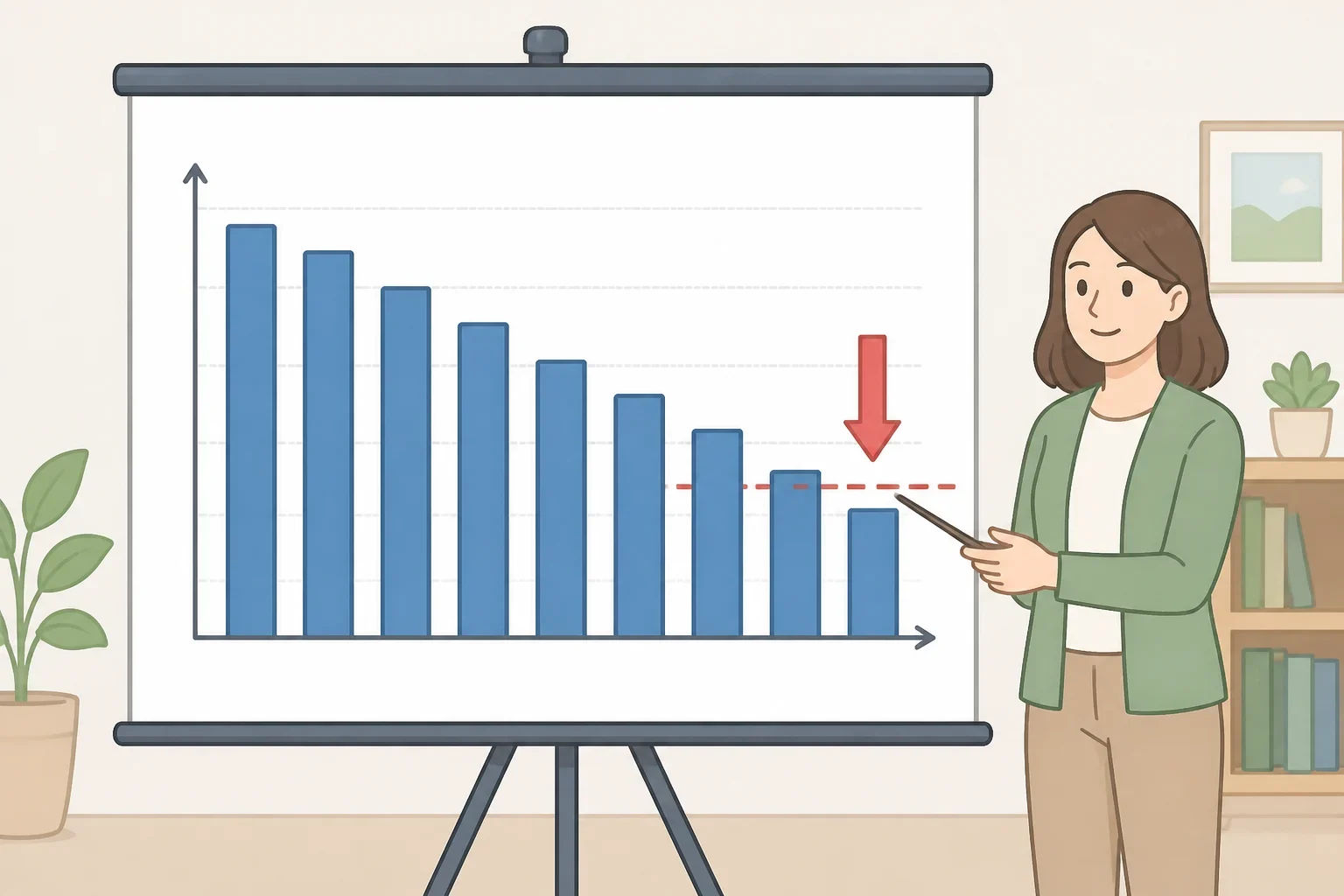
The latest quarterly fall was the largest since January to March 2026, when vacancies also fell by 21,000, the ONS reported this week. That makes the latest decline notable, but it does not by itself show that the market has suddenly accelerated downward.
Vacancy estimates have remained broadly flat since the start of the year, decreasing by 28,000 since January to March 2026. The annual fall of 37,000, or 5.1%, gives a clearer picture of the direction of travel, while the quarterly figures suggest a drawn-out cooling process rather than one dramatic break, according to the ONS.
The UK vacancy rate, which measures unfilled jobs as a proportion of total jobs, was 2.1% in July to September. It fell by 0.1 percentage points both from the previous quarter and over the year, the ONS said.
That headline is a national estimate. It cannot predict the chances of one candidate applying for one role in one town, and it does not show whether a particular employer is receiving five applications or 500. Occupation, region, experience and employer type can produce a very different experience from the national average.
The balance between vacancies and unemployment also needs careful wording. There were 2.4 unemployed people per vacancy in June to August 2026, down from 2.5 in March to May, the ONS reported this week. The ratio edged down, suggesting the national balance between unemployed people and vacancies did not deteriorate in the latest period. That is a small change, not evidence that the market has become easy.
Why the market is cooling

The clearest current explanation from employers comes with a qualification. Feedback from the ONS Vacancy Survey continues to suggest that smaller firms may not be recruiting because of increased labour costs, the ONS said Monday. This is employer-reported feedback, not proof that labour costs caused the national vacancy decline or that every small business has paused hiring.
A separate Resolution Foundation report published last August found that vacancies had fallen most over the previous year in lower-paying industries. Its analysis of newly posted vacancies also found the biggest falls in the lowest-paid occupations. Those findings identify where the decline was most visible, but they do not establish that vacancy losses were concentrated in small businesses.
The same report identified a large minimum-wage increase and a lower earnings threshold for employer National Insurance contributions as potential drivers of the cooling labour market. Both changes were announced in October 2024, around the time payrolled employment began to fall. The timing offers a possible explanation, not a proven cause, according to the Resolution Foundation.
Older recruitment data points in a similar direction, although it should not be treated as a description of October 2026. The KPMG and REC survey published last October found lower demand for permanent staff in nine of the ten monitored job categories. Starting pay for permanent workers rose only negligibly in September, with growth at its weakest since the current period of pay inflation began more than four years earlier, the REC reported last October.
That survey was compiled from questionnaires sent to around 400 recruitment and employment consultancies, so it offers a view from recruiters rather than a complete count of UK vacancies. It is also about a year older than the current ONS release. Anyone trying to decide whether hiring is improving should check the latest REC Report on Jobs, rather than assume last year's pattern still applies.
What job seekers can do in a thinner market

The latest figures do not justify assuming that every candidate now faces dramatically more competition. They do suggest that a search may require more deliberate targeting, especially in lower-paid or entry-level work where the Resolution Foundation found the largest vacancy falls.
A sensible response is to diversify the search without applying indiscriminately. Candidates can compare:
- larger and smaller employers
- nearby towns and commuting areas
- related sectors that use similar skills
- permanent and temporary opportunities, where appropriate
- roles that offer training rather than only matching an existing job title
This is not a claim that larger employers are hiring more. The evidence does not establish that. It is a way to avoid relying on one employer type or a narrow local group of vacancies when the national market is cooler.
Pay conversations also deserve preparation. The recruiter survey from last October found only marginal growth in permanent starting salaries, according to the KPMG and REC report. Candidates should therefore research current pay information for the specific role and region before an interview, while treating any benchmark as context rather than a guaranteed offer.
Interviews can also reveal how firm a vacancy is. Useful questions include:
- Is the role newly created or replacing someone who left?
- What is the expected hiring timeline?
- What would success look like in the first few months?
- Does the employer expect the team to grow further?
These questions are professional and practical. They can clarify whether the employer is filling an established need, testing a possible expansion, or still deciding how to use its budget.
What small employers should check before hiring

For small firms, the ONS feedback is a warning to examine costs closely, not a reason to treat every vacancy as evidence of a national hiring freeze. A business facing a departure or uncertain demand could compare several options: temporary cover, a replacement at a different level, a revised distribution of responsibilities, or a permanent hire.
That decision should start with the actual work. If critical responsibilities cannot be covered without delaying customers or overloading existing staff, the cost of leaving a role open may matter as much as the cost of recruitment. If demand is uncertain, a short review period may help, provided the business is clear about who owns the work during that period.
Employers should check current National Insurance obligations with HMRC and verify minimum-wage information through the Low Pay Commission before setting a hiring budget. The national vacancy rate will not show whether one business is struggling to attract applicants, so employers should also compare their own applicant numbers, vacancy duration and offer acceptance rate with relevant sector information.
The lower-paid roles identified in the Resolution Foundation analysis may face particular cost pressure, but that does not make pay reduction the automatic answer. A clearer job description, a realistic salary range, revised hours or a narrower set of responsibilities may all be worth assessing before a role is posted.
What to do next
Job seekers should use the latest ONS release as a broad market signal, then narrow the research to the occupation, region and employers being targeted. Widening the list of employers and related roles can reduce dependence on a small number of openings, while current pay research can make salary discussions more grounded.
Small employers should calculate the full cost and operational importance of a hire before either freezing or filling a vacancy. Confirm current wage and National Insurance obligations through official sources, review what work genuinely needs to be covered, and compare the business's own hiring evidence with current sector data. The UK job vacancies five-year low is a significant headline, but the next decision still belongs at the level of the role, the worker and the employer.
