
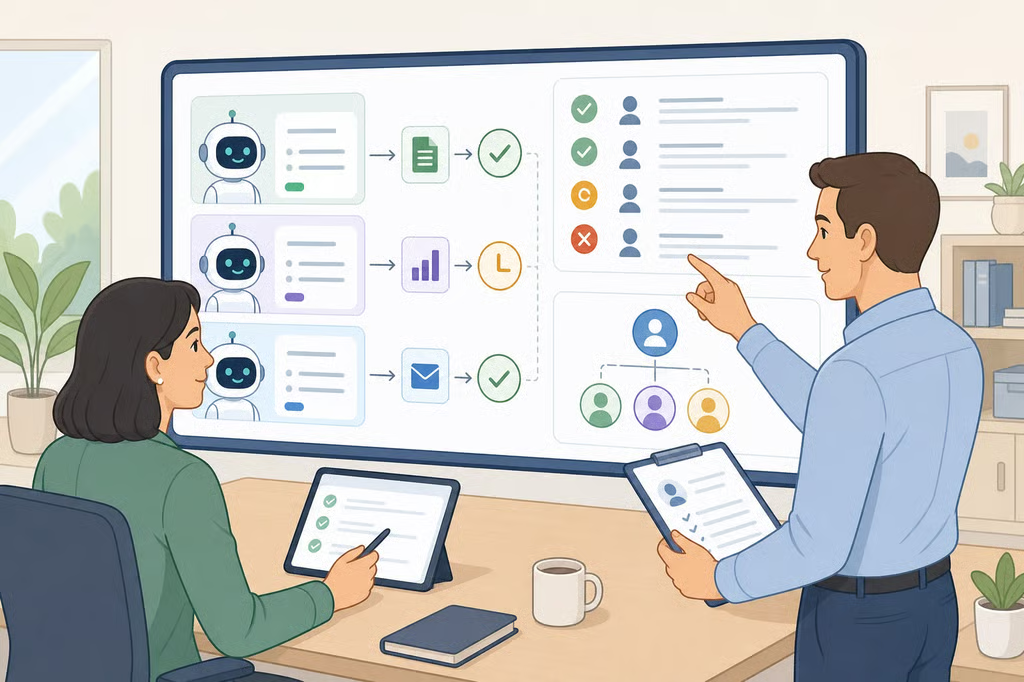
How AI Agents Will Change Your Job Role: Who's Accountable
Gartner told HR leaders at its HR Symposium in October 2025 that capturing value from AI means redesigning work itself, not just handing employees new software, and the firm forecasts that agentic AI will make at least 15% of day-to-day work decisions autonomously by 2028, according to Gartner. For anyone whose job now includes configuring, supervising, or answering for what an AI agent does, that forecast is an early preview of how AI agents will change your job role.
This is written for that narrower group, not everyone who occasionally asks a chatbot to draft an email. The evidence available now doesn't show that overseeing an agent automatically earns a new title or a raise. It shows something more specific: documented decision rights, delegation authority, and accountability for outcomes can justify a conversation about role scope with a manager or HR.
Agents differ from a standard chatbot because they reason, decide, and act inside a workflow without waiting on a person's next instruction, according to the California Management Review. Gartner separately forecasts that 70% of AI applications will run on multi-agent systems by 2028, Gartner reported.
What counts as managing an AI agent right now
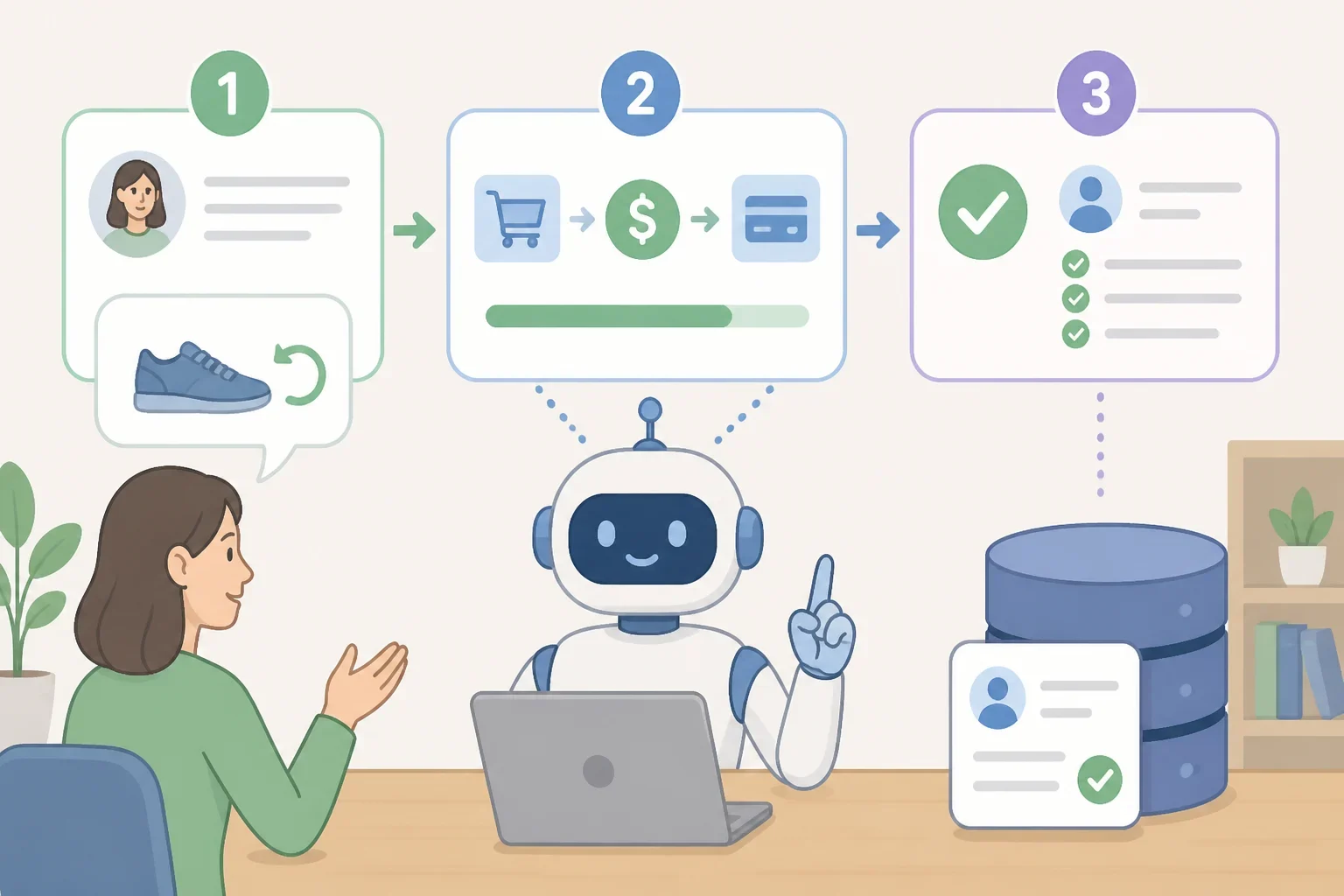
Unlike a chatbot that only answers questions, agents already carry out actions such as interpreting customer intent, processing refunds, updating shipping details, approving expenses, or supporting client onboarding, tasks that can involve exceptions and decisions rather than simple lookups, according to the California Management Review.
Deployment is still early for most organizations. In a Gartner webinar poll of 147 CIOs and IT leaders conducted in May 2025, 24% had already deployed a handful of agents, another 4% had deployed more than a dozen, and half were still researching or experimenting, Gartner found.
Among a smaller subset of 125 respondents to that same poll, 52% said their agent use cases are or will primarily target internal functions such as IT, HR, and accounting, compared with 23% focused on customer-facing work, Gartner reported. That split describes where organizations expect to point their agents, not where oversight duties already sit.
The oversight controls companies are testing
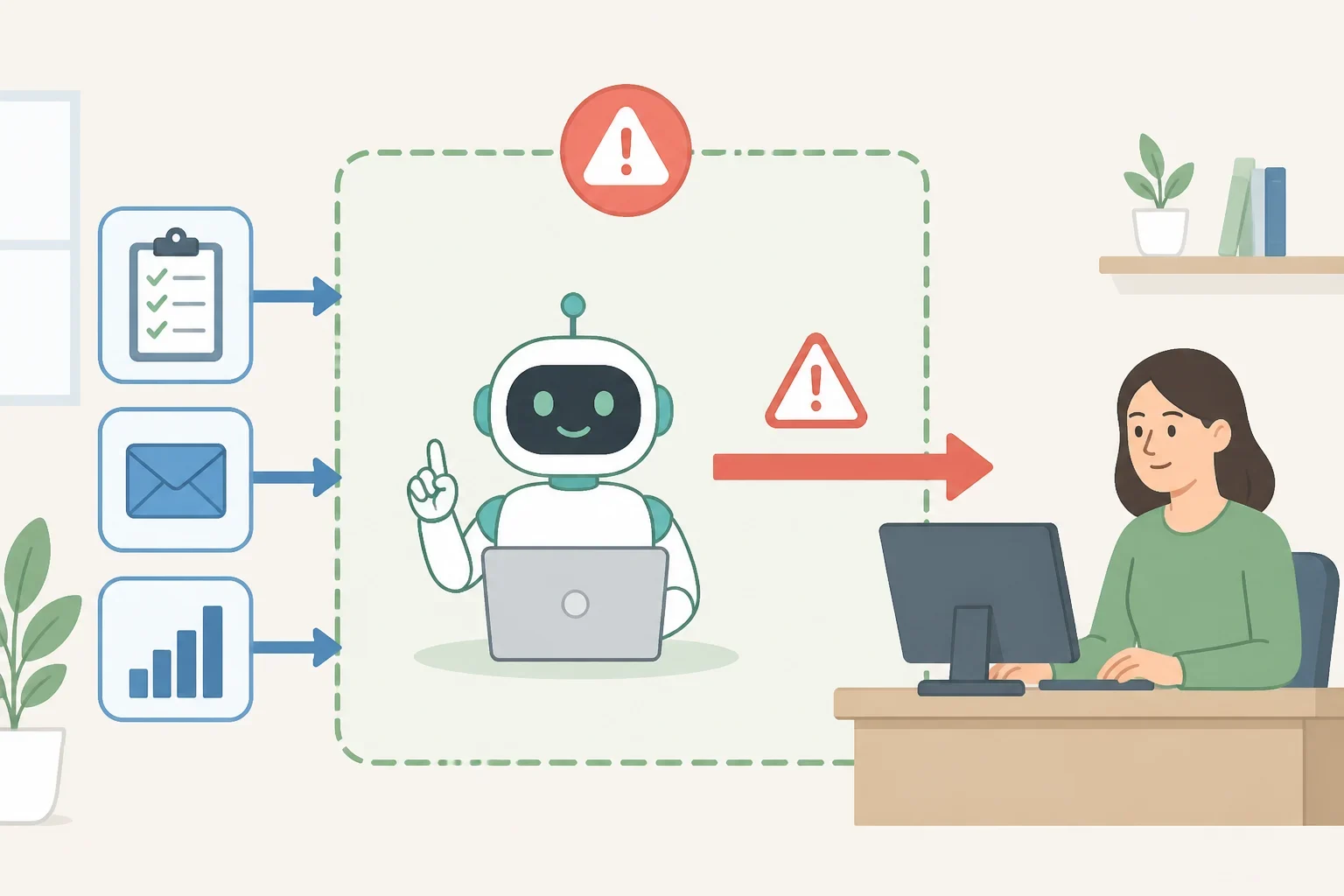
The CMR authors describe a model they call guided autonomy, in which agents act inside boundaries a person sets while that person defines goals, monitors behavior, and gives feedback, rather than controlling every step or granting unrestricted independence.
The article recommends several practices tied to that model: setting SMART (specific, measurable, achievable, relevant, time-bound) goals for agents, running regular audits of agent decisions, and building transparency dashboards that require plain-language explanations for critical actions, according to the California Management Review. It also names a defined human-in-the-loop trigger, the specific point where an agent must stop and hand a decision to a person, as one of these recommended safeguards.
Gartner separately projects that guardian agent technologies, automated systems built to review, monitor, and protect AI actions, will capture 10% to 15% of the agentic AI market by 2030, Gartner said. The firm groups these tools into three roles: reviewers that check AI-generated output for accuracy, monitors that track agent actions for human or automated follow-up, and protectors that can adjust or block an agent's actions during operations.
Gartner's earlier workplace predictions describe a similar division of labor between people and AI. Managers are expected to keep finalizing major decisions, acting as the human in the loop who verifies bot recommendations, while bots take on a growing share of routine tasks such as in-the-moment performance feedback, according to Gartner.
Three levels of managing AI agents at work, from casual use to formal accountability
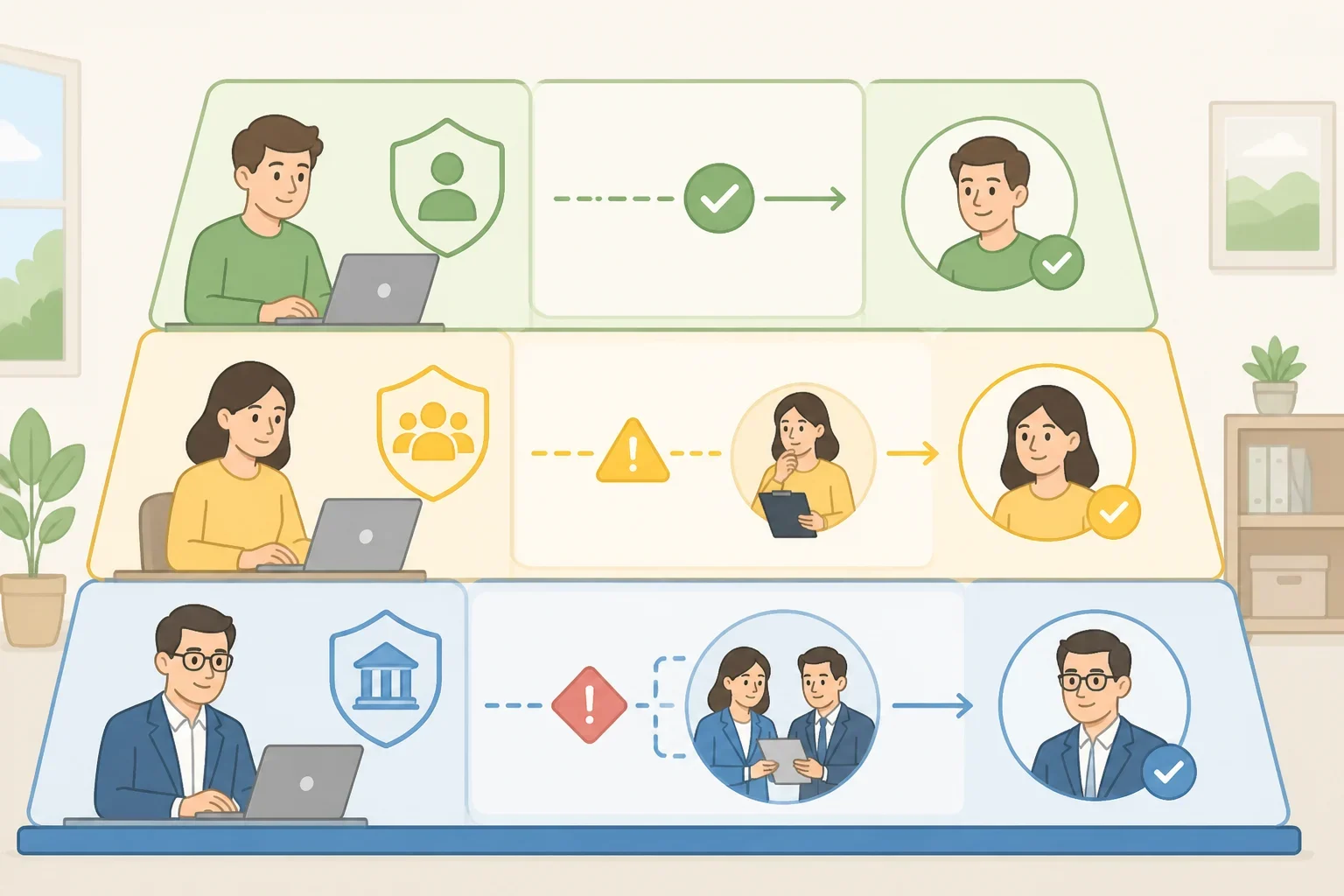
The CMR authors frame agents through a principal-agent lens, where an agent acts on a person's behalf inside objectives and constraints that person defines. Applying that lens to a typical job, this article sorts oversight work into three levels, a framework built for this piece rather than one the CMR article presents directly.
Occasional use means treating an agent's output as a starting point without setting its goals, permissions, or escalation rules. Operational ownership means configuring an agent's boundaries, reviewing its exceptions, or approving its actions before they take effect, while a manager or team still holds ultimate accountability. Formal accountability means being the named or de facto owner if an agent causes a compliance, financial, security, or customer problem, which can mean answering for outcomes without holding full control over them.
A Gartner survey of 1,973 managers conducted in July 2025 found that business units which redesigned workflows around AI were twice as likely to exceed revenue goals than units that simply deployed AI and encouraged employees to use it, Gartner reported. Gartner measured revenue outcomes in that survey, not changes in job titles, though the gap suggests formal redesign, not informal oversight, is where measurable results tend to show up.
Gartner also projects that less than 1% of US jobs will be lost to AI through 2028, with demand instead shifting toward AI-related skills employers can't yet fill, according to Gartner.
Being evaluated by an AI system is a separate question from managing one. A study of 382 participants published in October 2025 found an AI manager trained on human-defined evaluation principles cut wages by 40% without reducing workers' reported sense of fairness, an effect the researchers linked to a muted emotional response to AI evaluation compared with human evaluation, according to research in the Proceedings of the AAAI/ACM Conference on AI, Ethics, and Society. The study ran in a controlled task environment rather than a live workplace, so it reads as an early signal rather than a workplace finding.
What the evidence means for your next conversation
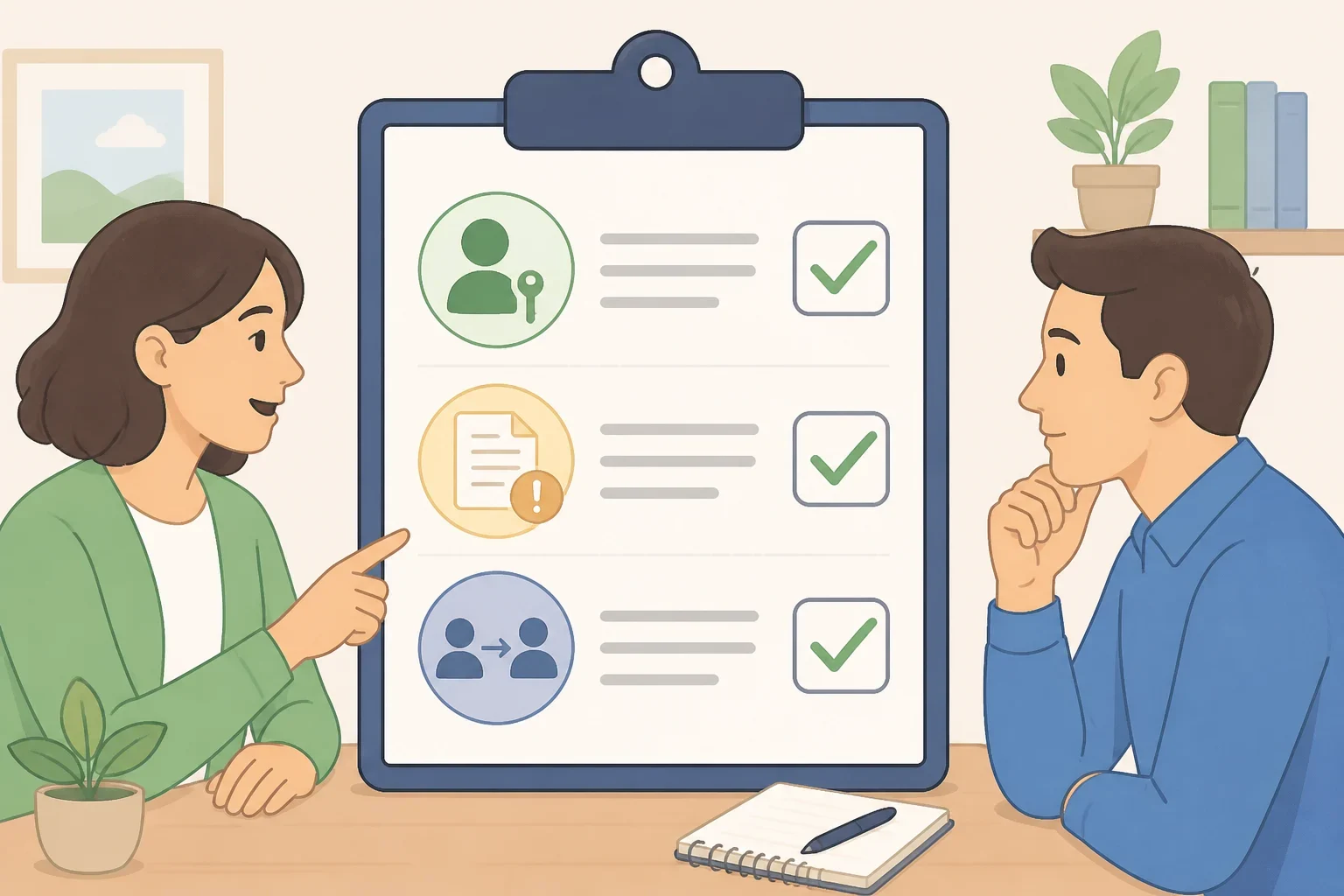
Vague oversight doesn't make a strong case to a manager. A few concrete signals separate informal AI use from a role that has actually expanded: control over an agent's permissions, responsibility for handling its exceptions, authority to pause or modify the system, documented ownership of its escalation triggers, and performance criteria that already hold a worker accountable for what the agent produces.
The CMR authors warn that automated systems can create what they call a "moral crumple zone," where responsibility gets diffused and hard to trace between people and agents. That diffusion, more than any single item on the list above, is the pattern worth watching for.
Even where these signals show up, results remain uneven across organizations. Only one in five AI initiatives achieves measurable ROI, and just one in 50 delivers what the firm calls disruptive value, said Harsh Kundulli, Vice President Analyst in the Gartner HR practice, Gartner reported.
How agentic AI changes a given job also depends on what an employer has actually built. Gartner's January 2025 workplace predictions noted that organizations will need new ways to define and reward high performance as it becomes harder to separate results produced by a worker's own effort from results produced with AI assistance, according to Gartner. Audit routines, escalation authority, and updated performance criteria vary by employer, so answers to those questions will differ by company.
Workers who think their oversight duties have outgrown their job description can start by tracking, over a few weeks, which agents they touch, what they approve, and what would land on their record if something failed. That record, not a general sense of added responsibility, is what turns an informal impression into a documented case a manager or HR can actually evaluate.
