
How to Request an Informational Interview (3 Templates)
Career offices at Harvard, Brandeis, the University of Montana, and American University's Kogod School of Business have each published their own guidance on how to request an informational interview, some of it as recent as five months ago, some dating back more than two years. Harvard's material leans on alumni networks and ready-to-use templates, Kogod walks through the psychology of a cold outreach message, and Montana covers both the written request and the conversation that follows. Read together, a few points keep showing up: keep the ask narrow, make it easy to say yes, and never let it turn into a job pitch.
That shared ground is the basis for the three templates below: one for a warm or alumni contact, one for a researched cold contact, and one for following up after a brief LinkedIn or event connection. Readers searching for how to ask for an informational interview usually need the right structure and a few real sentences to adapt, not a lecture on networking theory.
An informational interview is a conversation to learn about someone's path and industry, not an audition for a job opening. Harvard's career office is direct about it: don't ask a contact for a job, even indirectly (Harvard FAS, five months ago). This applies to two kinds of readers mainly: students and recent graduates reaching out to alumni, and career changers or working professionals contacting people already in a target role or industry.
What to ask for in an informational interview request
An informational meeting exists to gather career-related information and build a professional network, not to pitch for an opening (Harvard FAS). Ask about the person's journey, the decisions that shaped their path, and what they'd tell someone starting out (University of Montana Career Center, last year).
That doesn't mean referrals are permanently off the table, just out of sequence. Harvard's guide notes that in fields such as finance, consulting, and technology, employee referrals can carry real weight in hiring, and some employers even pay a bonus for a successful one (Harvard FAS). A referral or introduction request works better as its own explicit ask, made later, once the relationship can support it.
Actively job hunting doesn't require hiding that fact. Kogod's career office recommends stating plainly that the request is for insight, not a job or internship, a line that helps clarify expectations before the conversation starts (American University Kogod, more than two years ago).
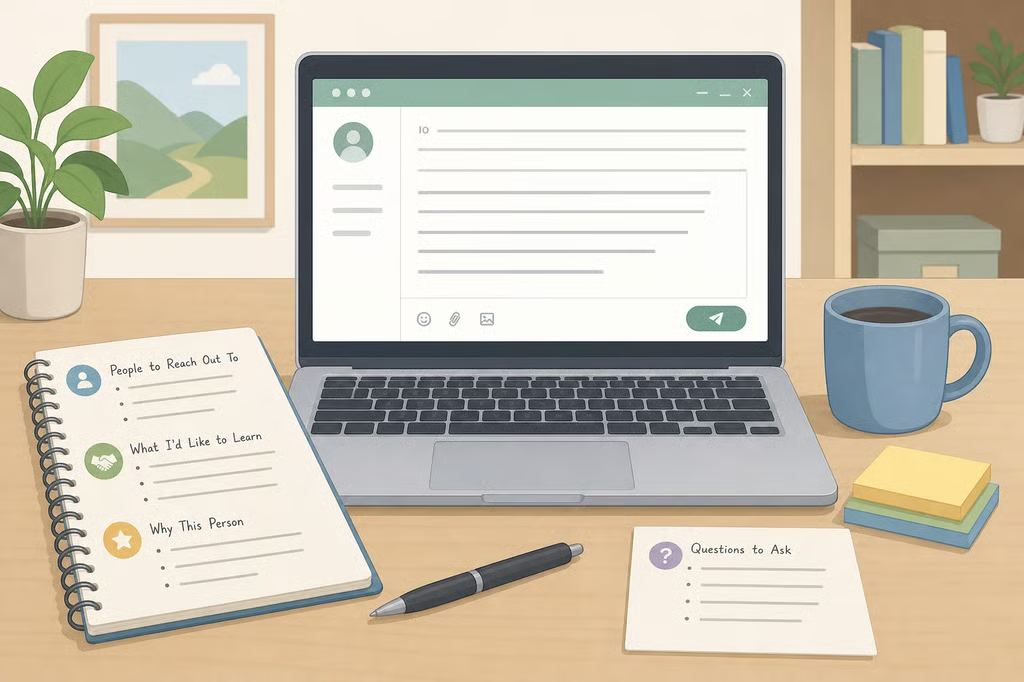
Before opening a template, write one sentence describing what you want to learn from this specific person. That sentence becomes the anchor for whichever version fits the relationship.
How to write an informational interview request email
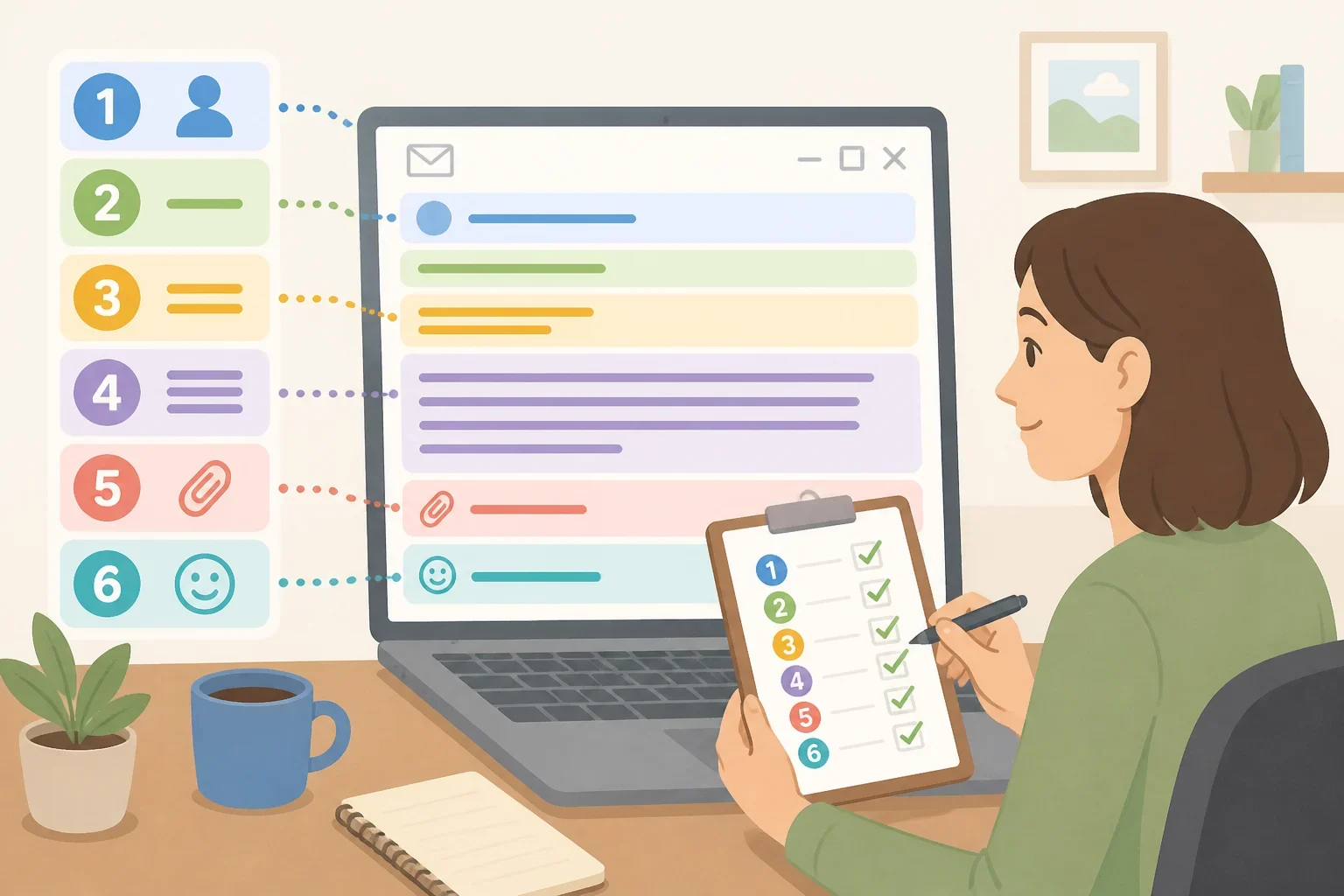
Pulling these sources together, a complete informational interview request email tends to include six parts: a subject line that names the purpose, a line of context or connection, a specific reason for contacting this person, one clear learning-focused ask, a narrow time-bound scheduling proposal, and a sign-off with contact information (Harvard FAS, six months ago; American University Kogod).
Use a subject line that names the purpose rather than a generic greeting, something like "Informational interview request, [your role or program]," and keep the body to roughly three short paragraphs (American University Kogod).
On scheduling, Kogod recommends requesting 20 to 30 minutes and proposing two or three specific time windows rather than leaving it open-ended, while Harvard's guide points toward a slightly shorter 15 to 30 minute window with a clear time frame, location, and duration (American University Kogod; Harvard FAS). Virtual calls remain the default; Kogod's career office notes that most of these conversations happen over Zoom or Teams (American University Kogod). If the meeting is virtual, naming a time zone in the scheduling line saves a round of back-and-forth.
Treat the six parts as a checklist. If a draft is missing one, that's the fix to make before sending, not after.
Three templates for three common situations
The relationship with the contact determines which informational interview outreach email fits. Pick the sample informational interview email below that matches, then swap the bracketed details for something true.
Template 1: warm or alumni contact
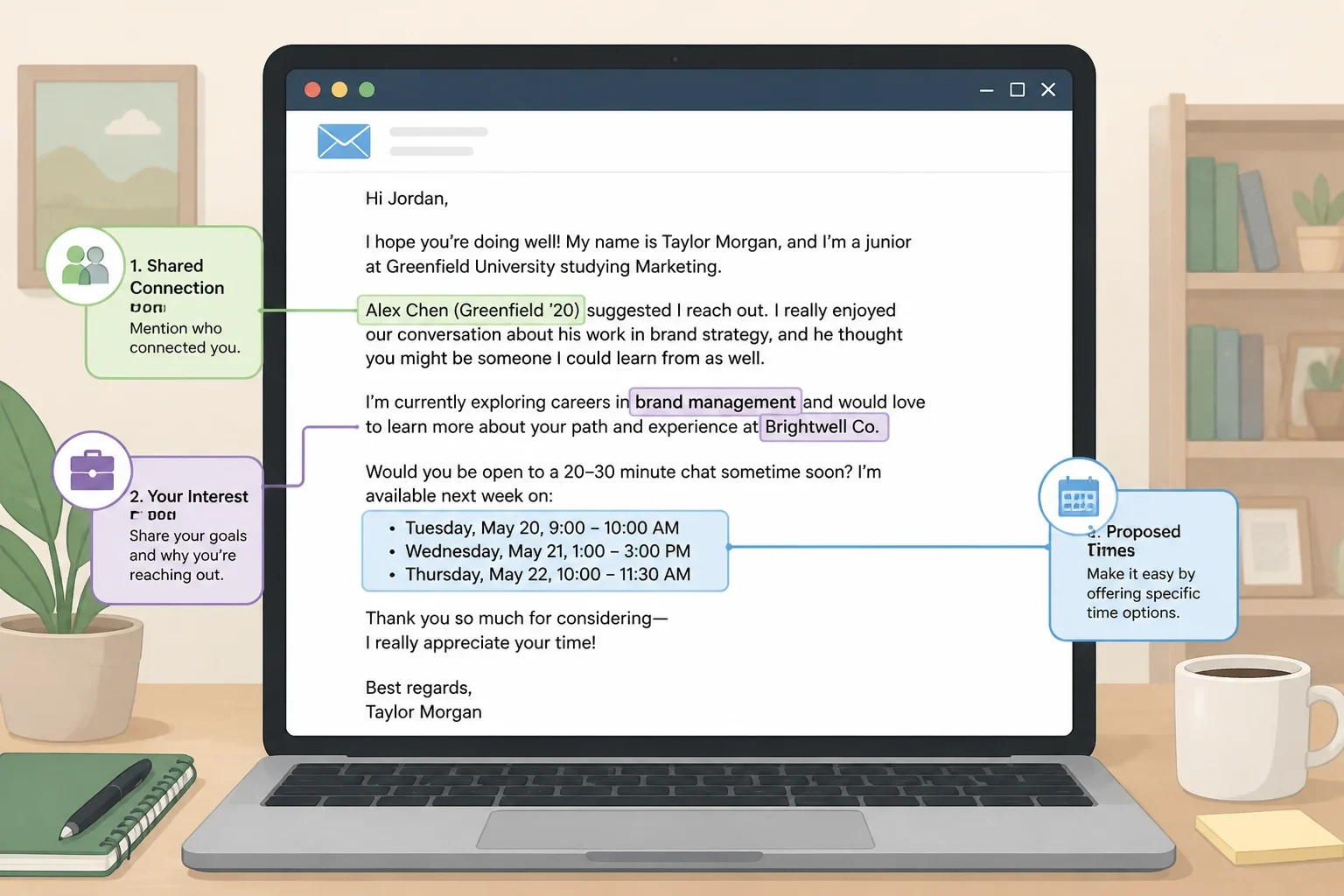
This informational interview email template works best for an alum, a former colleague, a professor, or someone a mutual contact suggested.
Subject: Fellow [school] grad with a quick question
Hi [Name],
I hope you're doing well. I noticed we both studied economics at [school] / worked at [company], and I'd love to hear more about your path into [field or role].
I currently work in [field] and I'm exploring a move into [target field]. Your work on [specific project or transition] caught my attention. Would you have 15 to 20 minutes on [Tuesday, 2-4 p.m., or Thursday, 10 a.m. to noon, adjust for your time zone]? Happy to call or video chat, whichever is easier.
Thank you for considering it.
[Name] [Phone / LinkedIn / email]
Personalize by naming the real shared tie, not just "I saw we're connected." Harvard's career office points new graduates toward alumni who are one or two steps ahead in a role of interest, describing a common school as a strong opening bridge for a first message to a stranger (Harvard FAS, seven months ago). Working professionals without an alumni connection can look for something comparable: a shared professional association, a former employer, or a mutual industry contact. The strength of that bridge will vary with how specific the tie actually is.
Template 2: cold outreach to a researched contact
Use this when no shared connection exists, but there's genuine, specific interest in the person's work.
Subject: Exploring opportunities in [field], quick question
Hi [Name],
My name is [Name], and I currently work in [field] at [organization]. I'm exploring a move into [field] and came across your profile on [where you found them].
Your recent move into [specific role or transition] is exactly the kind of path I'm trying to understand, and your work leading [specific project or team] stood out. Would you be open to a 20 to 30 minute call on [Tuesday, 1-3 p.m., or Wednesday, 11 a.m. to 1 p.m., adjust for your time zone]?
Thanks for considering it, [Name] [Contact info]
Swap generic praise, "I admire your impressive career," for one concrete detail: a recent transition, a project the person leads, or a shared industry focus. University of Montana's career center notes that cold requests can work when the message shows genuine familiarity with the recipient's actual background, not flattery (University of Montana Career Center).
Template 3: LinkedIn-to-email follow-up
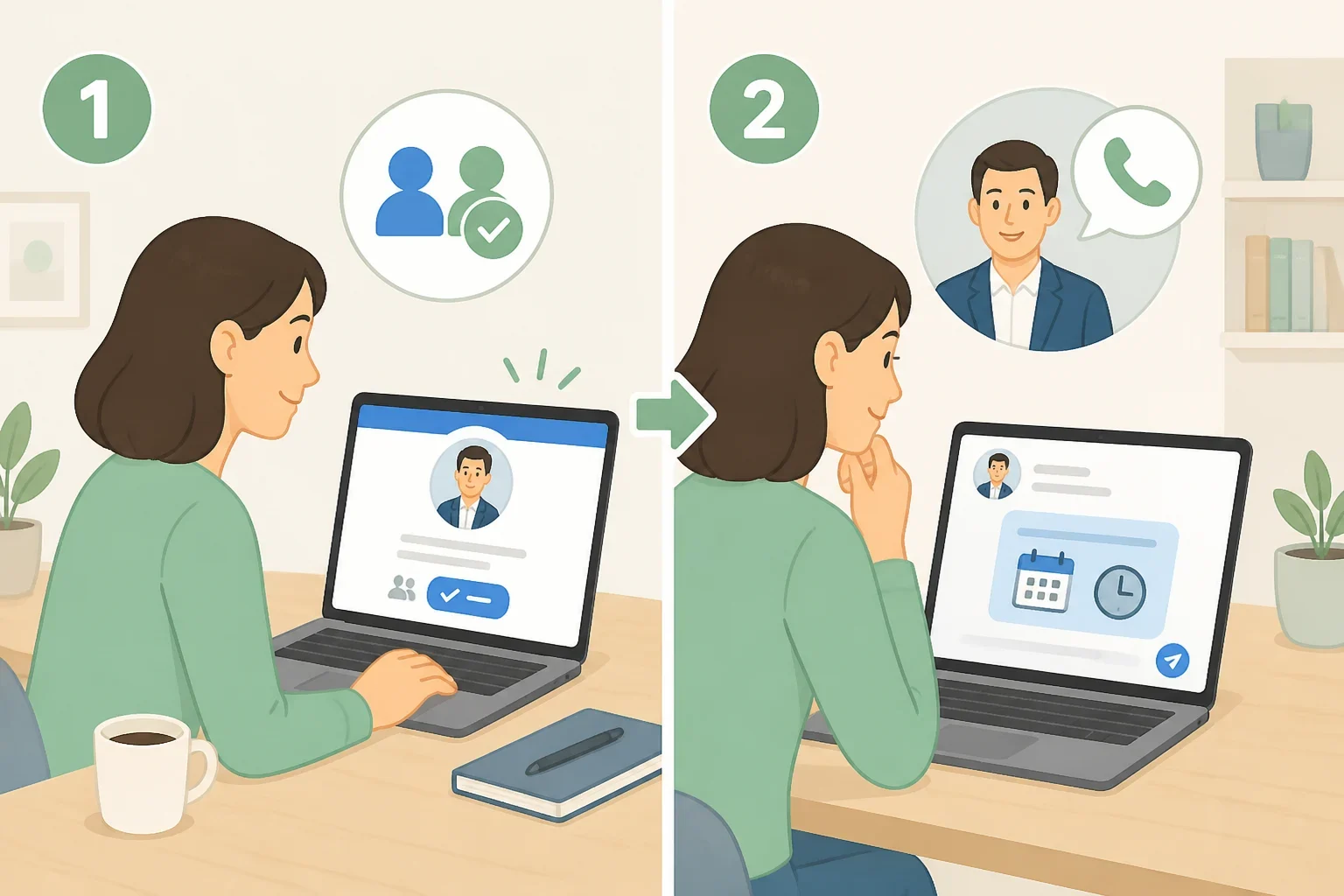
This one works in two steps. University of Montana's guide treats it that way: build the connection first, then follow up with a specific request for a career conversation (University of Montana Career Center).
Step one is a short message right after meeting someone or connecting online. After an event or in-person meeting:
Hi [Name], it was great meeting you at [event]. I enjoyed hearing about [specific topic discussed]. I'd love to stay in touch.
After a LinkedIn connection with no in-person meeting:
Hi [Name], thanks for connecting. I've been following your work in [field] and would love to stay in touch as I learn more about the industry.
Once the connection is accepted, step two is the same for both: a short email carrying the actual ask.
Subject: Following up, quick question about [field]
Hi [Name],
Thanks for connecting. I wanted to follow up on [our conversation at [event] / your work in [field]].
Would you have 20 minutes to talk more about your path into [field]? [Tuesday, 3-5 p.m., or Thursday morning] would both work on my end, but I'm glad to find another time if neither fits.
Thanks again, [Name] [Phone / LinkedIn / email]
A related situation, asking an existing contact to introduce someone else, goes to the connector rather than the target professional, and should explain why that person's background is relevant before asking for the bridge (Harvard FAS). It's closer to a referral ask than an informational interview, and works best once there's a specific reason for wanting that introduction.
Read the finished draft aloud before sending. If it reads like a pitch for an opening rather than a request to learn, trim it back.
Preparing for the conversation
Getting a yes is only half the work. University of Montana's career center frames the meeting itself around four moves: research the person and the company beforehand, ask about them first and actually listen, be ready to talk about your own interests and goals, and bring prepared questions (University of Montana Career Center).
For the questions, Montana's guide points to a framework it calls TIARA for organizing what to ask, tailored to the field and the stage of decision-making; trend-related questions, how the role or industry is shifting, are one category worth including (University of Montana Career Center). A short list to adapt:
- What does your day-to-day work actually involve?
- Which skills mattered most when you moved into this role?
- What would you research before pursuing this path?
- What's changing in this field right now that someone outside it wouldn't notice?
- What do you wish you'd known before starting out?
Pick two or three that fit the specific person, not the whole list. A contact who just changed roles can speak to the transition; someone who's been in a field for a decade can speak to how it's shifted.
Following up and closing the loop
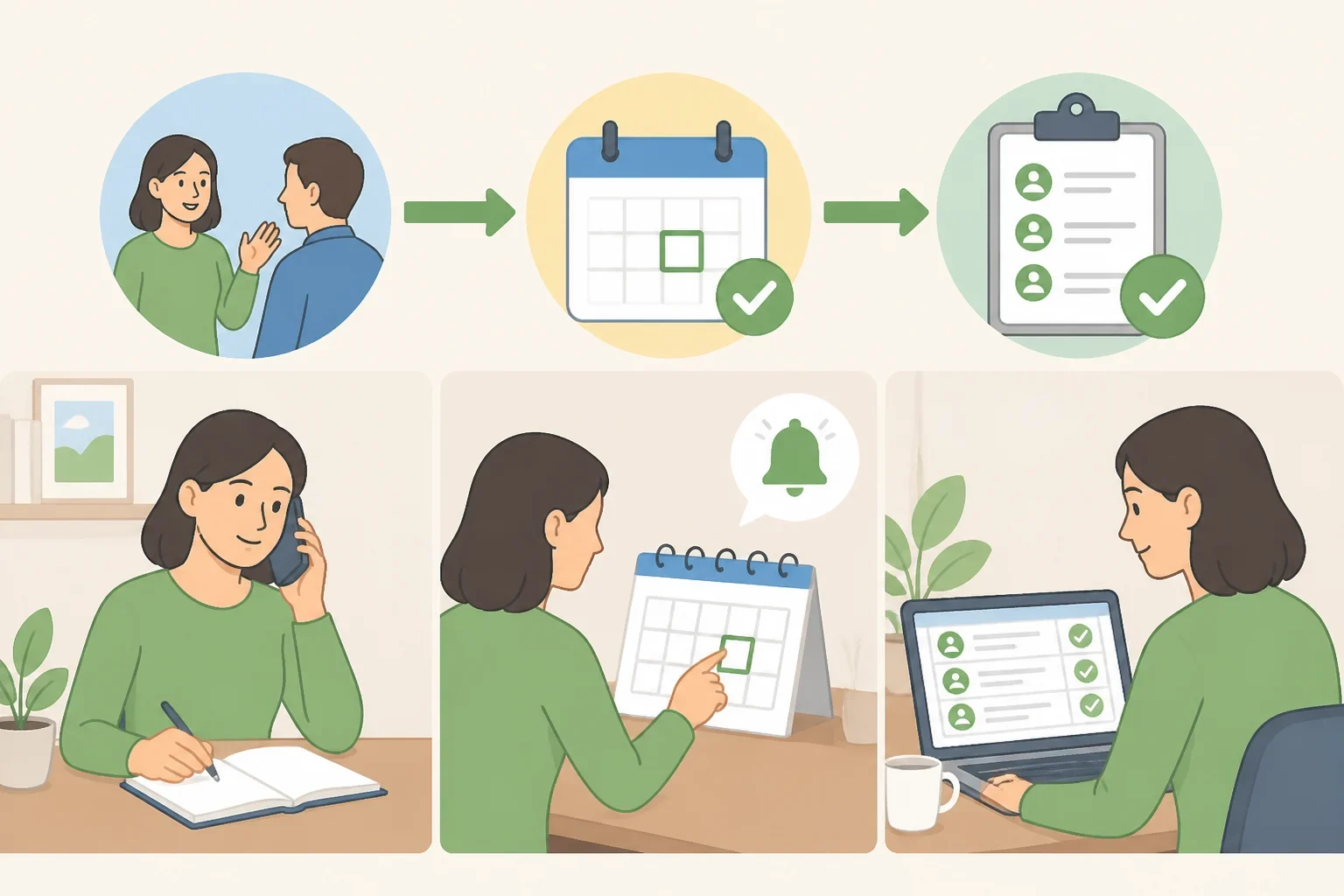
If a week passes without a response, a brief follow-up is reasonable; Harvard's guide allows for an initial outreach plus two follow-ups before moving on to the next contact (Harvard FAS). Brandeis frames a second attempt as optional, suggesting one last short, polite note, or simply moving on (Brandeis International Business School, last year). In practice, a second message tends to land better when there's an actual reason behind it, a relevant update, a shared event, than when it's just a repeat of the first ask.
Brandeis's suggested wording keeps that follow-up short and guilt-free: a quick note referencing the original email and reaffirming interest, without piling on pressure (Brandeis International Business School).
A thank-you note is recommended once the conversation happens, both as a courtesy and to keep the relationship open for later (Harvard FAS; Brandeis International Business School).
Set a one-week reminder after sending any request, keep a short follow-up draft ready to reuse, and track each contact, including who referred you, in a simple spreadsheet (Harvard FAS).
What to do next
List five to ten people whose career paths are genuinely interesting, a range Harvard's career office points to as manageable (Harvard FAS, seven months ago). Sort them by relationship type, warm contact, cold contact, or weak-tie follow-up, and match each name to the template above.
Before sending the first email, draft two or three questions from the prep list above for that specific person. That way the request and the actual conversation are ready at the same time, not just the opening ask.
