

- 2027 Social Security COLA increase: AARP’s 3.6% forecast explained
- How much will Social Security increase in 2027?
- How the 2027 Social Security COLA forecast is calculated
- 2027 Social Security COLA forecast compared with recent adjustments
- Why the increase may not ease every household’s budget
- What beneficiaries should check next
2027 Social Security COLA increase: AARP’s 3.6% forecast explained
The 2027 Social Security COLA increase is projected at 3.6% by AARP, which would add about $75 a month to the average retired worker’s benefit. The estimate is not final. The Social Security Administration is expected to announce the official adjustment today, October 14, after the final inflation data used in the calculation becomes available. AARP published the forecast three months ago.
If the estimate is close, the increase would begin with Social Security payments issued in January 2027. Supplemental Security Income payments can follow a different schedule, as the 2026 adjustment did. AARP reported that the 2027 COLA will be finalized in October and take effect with January payments.
For now, retirees, disabled workers, surviving spouses and other beneficiaries should treat 3.6% as a planning estimate, not a guaranteed benefit increase. The final percentage depends on a specific three-month inflation formula.
How much will Social Security increase in 2027?
A 3.6% Social Security COLA 2027 adjustment would raise the average retired worker’s monthly benefit by about $75, from roughly $2,086. The average surviving spouse’s benefit of $1,933 would rise by about $70, while the average Social Security Disability Insurance benefit of $1,635 would increase by about $59. AARP provided those benefit examples.
Beneficiary type Average monthly benefit Estimated monthly increase at 3.6% Retired worker About $2,086 About $75 Surviving spouse $1,933 About $70 Disabled worker $1,635 About $59
These are averages, not individual payment promises. Someone receiving $1,400 a month would not receive the same dollar increase as someone receiving $2,086. The percentage would apply to that person’s own benefit amount, before accounting for any deductions shown on the individual notice.
The 2026 adjustment provides a recent comparison. Social Security benefits and SSI payments rose 2.8% in 2026, affecting more than 75 million Americans. Average retirement benefits increased by about $56 a month. Choose Work reported those figures last year.
That earlier recipient count should not be treated as a confirmed estimate for 2027. The available research does not establish how many people will receive the next adjustment.
How the 2027 Social Security COLA forecast is calculated
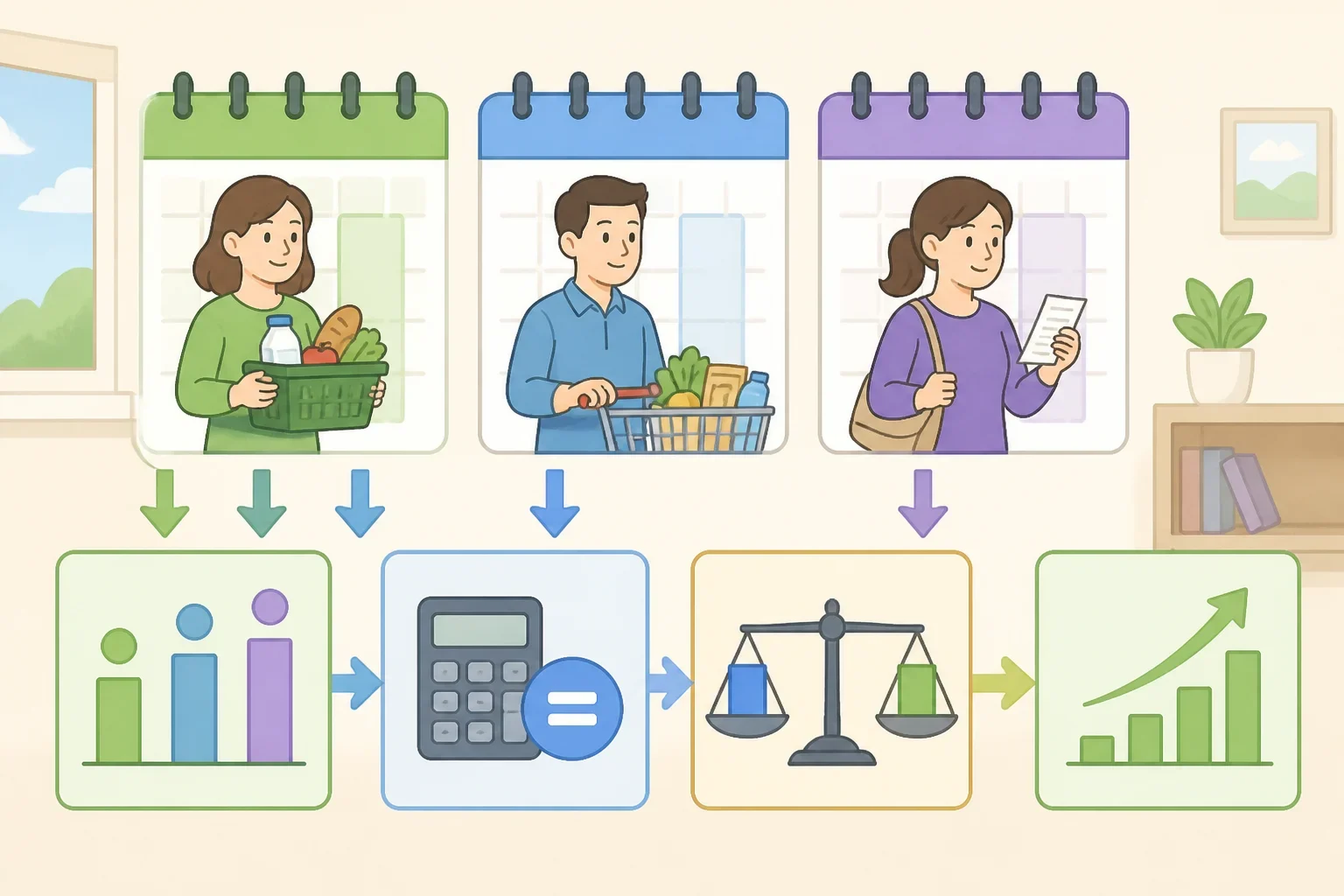
The annual COLA is tied to the Consumer Price Index for Urban Wage Earners and Clerical Workers, commonly called the CPI-W. The Social Security Act bases the adjustment on the change in that index during the third quarter, meaning July, August and September, compared with the same period a year earlier. SSA explained the formula last year.
That makes September the final piece of the calculation. AARP’s 2027 forecast used CPI-W data through August and an inflation projection for September from the Federal Reserve Bank of Cleveland. CPI-W was up 3.5% year over year in August, according to AARP.
AARP said the forecast should remain in the mid-3% range unless prices changed dramatically in September. That language preserves the uncertainty: the 3.6% estimate could be close to the official figure, but it is not the statutory calculation itself.
The forecast is also notable because AARP released a COLA estimate before the official announcement for the first time. AARP said the early estimate is intended to help households begin planning for 2027.
2027 Social Security COLA forecast compared with recent adjustments

If finalized at 3.6%, the 2027 adjustment would be higher than the 2.8% COLA for 2026 and the 2.5% adjustment for 2025. It would still be well below the largest COLA on record, a 14.3% increase in 1980. AARP and SSA provide those historical comparisons.
The meaning of an “average” depends on the period being measured. AARP calculated that COLAs averaged about 2.6% from 2001 through 2025, while SSA reported an average of about 3.1% over the previous decade. AARP and SSA use different time frames, so the figures should not be compared as though they describe the same period.
A COLA also responds to past inflation rather than predicting future prices. Beneficiaries temporarily lost purchasing power in 2021, when a 1.3% adjustment based on low inflation in 2020 was followed by rapidly rising prices. In 2022, benefits rose 5.9% while inflation reached a 9% peak. The following year’s 8.7% COLA helped beneficiaries catch up, according to AARP.
That timing is why a larger check may still feel insufficient. The adjustment reflects an earlier measurement period, while household costs continue changing after the percentage is set. A benefit increase can be meaningful without matching every person’s experience with housing, food, medication or transportation costs.
Why the increase may not ease every household’s budget
A Nationwide Retirement Institute survey found that 74% of current Social Security beneficiaries had made financial changes because rising costs had outpaced their benefit payments. More than half had reduced discretionary spending, and 38% had cut spending on essentials, including groceries and medications. AARP reported the survey findings.
Those results describe survey respondents, not every beneficiary. They do show why the percentage alone cannot tell someone whether a 2027 increase will create meaningful room in the household budget.
Rich Johnson, vice president for financial security at the AARP Public Policy Institute, said many older adults rely on Social Security for most of their income. He also described the COLA as especially significant for retirees who may have few other income sources that rise with prices. AARP reported his comments.
Johnson said the forecast is meant to give households earlier information for planning. Tyler Bond of the National Academy of Social Insurance similarly said the 2027 COLA would be particularly important as living costs continue rising and the near-term economic outlook remains uncertain. AARP reported both comments.
What beneficiaries should check next
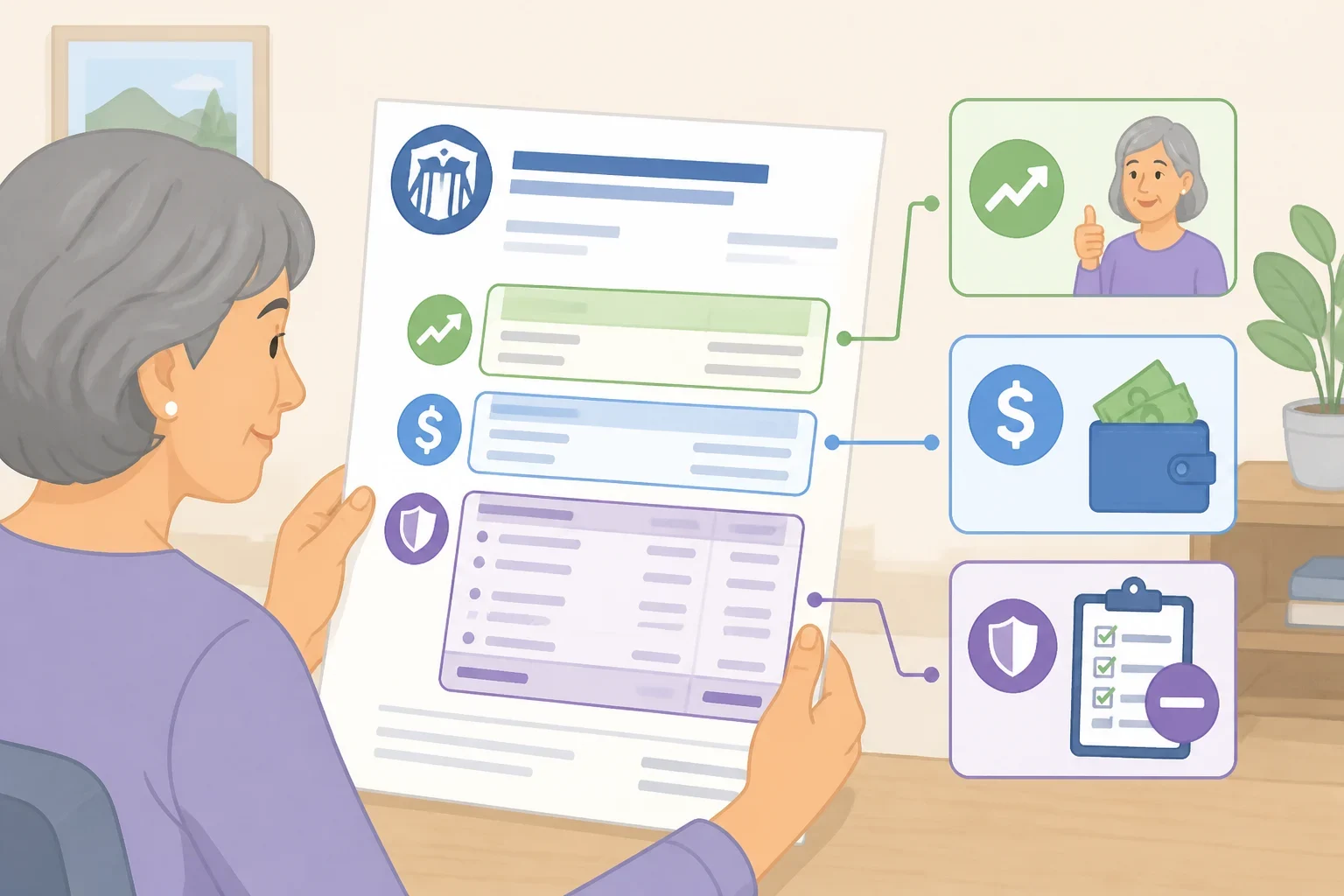
The next useful figure is the official SSA percentage, followed by the individualized notice. The 2026 process gave retirement and disability beneficiaries access to COLA notices through their personal my Social Security accounts in early December, while paper notices were mailed throughout December. Choose Work documented that process, but the available research does not confirm the exact 2027 schedule.
When the notice becomes available, beneficiaries should check:
- the confirmed COLA percentage;
- the new monthly benefit amount; and
- the deductions listed on the notice.
Until the official announcement and personal notice are available, the 3.6% figure works best as a rough scenario. Multiply the confirmed percentage by the current monthly benefit to estimate the gross change, then use the SSA notice to verify the actual payment amount. That figure, rather than the headline forecast, is the number to use when reviewing a 2027 budget.
