
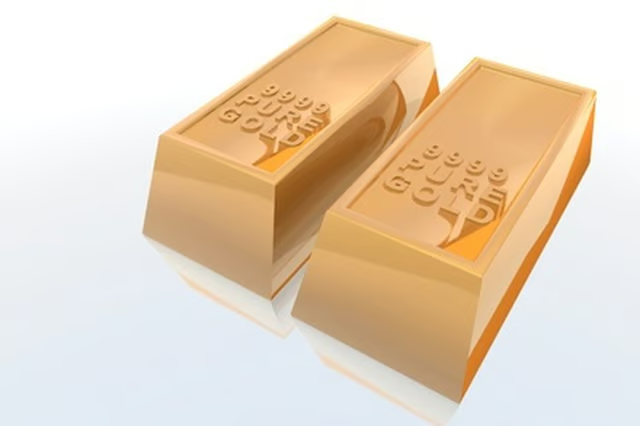
A gold broker is also known as a commodities broker. A commodities broker is licensed to sell gold as well as wheat, oil and grains, among other commodities. A commodities broker sells for others. On the other hand, a commodities trader may invest and sell for personal gain. A commodities broker must be self-motivated, be comfortable working on a commission basis and have the ability to successfully build relationships.
A commodities broker may begin a career in a broker training program, be promoted from an entry-level position or transfer from a different career in the financial industry. Whichever path the candidate considers, they must launch their career by passing the Series 3 Exam.
Prepare for a Commodities Broker Career

Prepare for the Series 3 Exam. Passage of the exam furnishes the candidate with a commodities contract license, giving authority to sell commodities and futures contracts. The Financial Industry Regulatory Authority (FIRA) administers the exam. The Series 3 exam covers several topics, including hedging, options and contracts, analysis and futures theory.

Obtain a license from the Financial Industry Regulatory Authority (FIRA) by passing the Series 3 Exam. This license given by the FIRA is required prior to selling gold or other securities, as it allows the holder to sell commodities.

Begin a career in an entry-level position. Entry-level positions lead to the broker joining a team specializing in a specific product or industry, such as gold. Usually college graduates fill the entry-level positions, especially those graduates who have majored in finance, business administration or economics.

Build a large client base by developing or displaying excellent interpersonal skills. Constantly building a network of clients through contacts developed over the course of years or through contacts made in prior careers is a requisite to success as a commodities broker. The broker is expected to work well within teams as well.
