
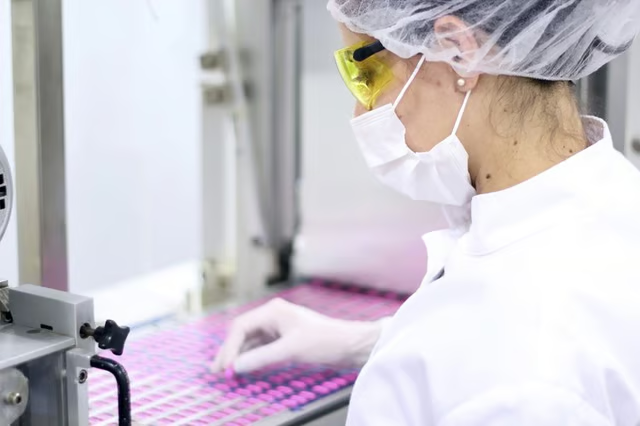
Production operators work in the manufacturing industry where they set up and control equipment used in the manufacturing process. Although these operators are often based in specific workstations along an assembly line, they focus on ensuring production equipment works efficiently. Production operators can work in factories manufacturing products such as automobiles, pharmaceuticals, electronics and shoes.
Using the Necessary Skills
Production operators work in an environment typified by moving machines and equipment. As such, they need excellent technical, practical and problem-solving skills to execute their roles competently. When equipment breaks down during the manufacturing process, for example, they use these skills to troubleshoot the equipment, identify faulty areas and perform repairs. Production operators also require good decision-making skills to determine whether such equipment failures need specialized repair, and communication skills to effectively share information with machine operators from other shifts.
Setting Up Equipment
The main responsibility of production operators is to ready equipment for production. They begin by reviewing the day’s work orders before proceeding to set up and operate equipment according to established technical specifications. A production operator working at a paper manufacturing factory, for example, may operate a forklift to load pulpwood into pulp digesters. After work, he cleans the equipment and conducts maintenance practices. This usually involves greasing and oiling moving parts and replacing broken parts.
Maintaining Production Logs
Production operators have a duty to keep accurate records of their work. For example, if an operator processes 100 products and replaces five worn-out parts in production equipment, she has to take note of this and submit the record to a supervisor. Production operators also have a role in maintaining workplace safety. Apart from ensuring machines are in perfect shape, they must operate within established safety guidelines, such as wearing protective gear and reporting unsafe operations to production supervisors.
Getting There
If you prefer jobs that require little formal training, you could become a production operator. A high school diploma is the typical entry requirement for this position. Employers often provide on-the-job training to help beginning production operators develop essential job skills. To enhance your career progression prospects, you can specialize in specific areas of production, such as oil and gas, by completing a relevant college or vocational course, such as the Oilfield Training Program, which is offered by the American Petroleum Institute in collaboration with the Carville Job Corps Academy in Louisiana. With vast job experience and such qualifications, your can become a production supervisor.
