


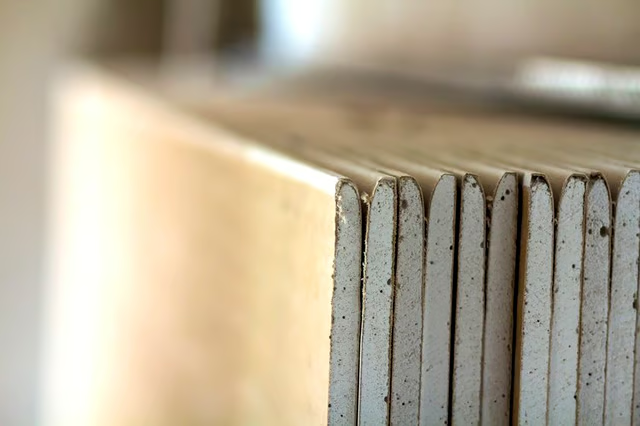
Structural insulated panels, sometimes referred to as SIPs, are composed of laminate with a foam core that is between 4 and 8 inches thick with a structural facing, such as drywall or plywood, on each side. SIPs are also known as foam-core panels, stress-skin panels, sandwich panels and structural foam panels. While they are preferable to traditional walls in many respects, their use comes with a range of disadvantages.
Advantages Overview
Advantages to structural insulated panels include their high level of insulation and their ease of construction. Structural insulated panels also minimize thermal bridges across wooden studs, which reduces air infiltration and contributes to a tightly sealed structure with easy temperature control. SIPs meet the American Society for Testing and Materials' safety standards and, according to fire safety investigators, ultimately hold up very well in a fire in certain conditions.
Fire
One of the major concerns surrounding structural insulated panels is fire safety. While fire investigators have found that structural insulated panels hold up well in fires, this is due mainly to its being surrounded by a fire-rated material such as drywall. If the surrounding drywall is faulty, occupants may be at a higher risk of burns and smoke inhalation. It should be noted, however, that houses built with structural insulated panels are considered generally safer than those built with other types of panels.
Pests
Pests, such as insects and rodents, are another concern surrounding structural insulated panels. Because they are made with foam, structural insulated panels can provide excellent material for pest nests. In some cases, pests have been able to burrow through the panels. Applying insecticides to the panels and the nearby ground may curtail this problem. There are also boric-acid-treated insulation panels available. Boric acid is a very effective insecticide used to eliminate large populations of pests. Keeping the relative humidity below 50 percent can also help combat infestation associated with structural insulated panels.
Ventilation
Because structural insulated panels are airtight, buildings made with them need excellent ventilation systems to ensure the health and safety of their occupants. One of the primary benefits of SIPs — airtightness — is negated if the building does not use a good ventilation system.
