


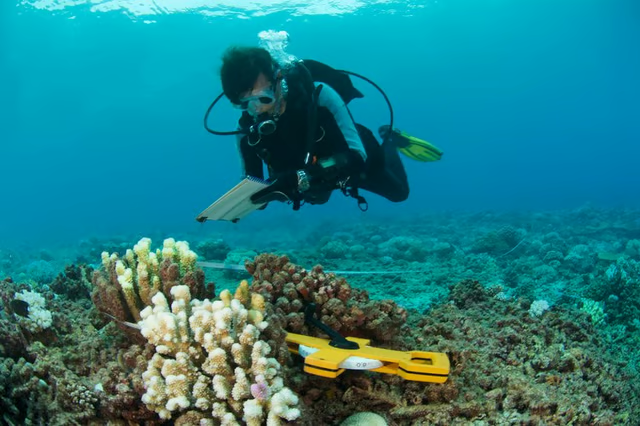
An estimated 50 to 80 percent of all life on Earth is found in the Oceans, according to Marinebio.org. The information we learn about oceans and marine life are as a result of the work of marine biologists. A marine biologist studies underwater life, including behaviors, diseases and genetics of various species. To become a marine biologist, you must meet the minimum education requirements and obtain an optional open water certification for diving.
Education Requirements
A bachelor's degree in marine biology, biochemistry or wildlife biology is the minimum education requirement for a marine biologist. However, the marine biologist needs higher education to obtain higher positions. Marine biologists who work on independent research projects or those who teach at colleges and universities need a doctorate in marine biology or a related field, such as biology or biochemistry.
Certification
There are no certification requirements for marine biology. However, because diving is a large part of marine biology, many schools recommend that students become open water certified and take a course in scientific diving. Several organizations, such as the Professional Association of Diving Instructors (PADI) and Scuba Schools International (SSI) offer the open water certification. When a marine biologist finishes the open water certification, they understand the basics of scuba diving, have basic scuba skills and they receive a scuba diver certificate. The scientific diver course focuses on the physics and physiology of diving. In this course, marine biologists learn first aid, dive rescue and how to use diving to complete their research.
Duties
A marine biologist conducts research and performs experimental analysis on marine life, either in a controlled setting or in the animals' natural environment. She may collect samples, evaluate reproductive patterns, study marine diseases and determine how humans impact environments. The marine biologist may make recommendations, articulating her findings in a research paper, report or article. She may present such recommendations to her peers, policymakers or to the general public.
Skills
The ideal marine biologist is an analytical and attentive problem solver. He is an active observer, learner and listener. He is able to patiently observe a creature for an extended period of time and catch even the slightest intricacies. Judgment, decision-making and science skills are also essential for a marine biologist.
